Following the successful launch of the bayklif2 projects, public and media interest in our research continues to grow.
A recent article published by Süddeutsche Zeitung (SZ)—one of Germany’s leading national daily newspapers—highlights the ecoBay subproject and the work of its participating research groups. As part of their coverage, SZ journalists visited researchers Prof. Dr. Ann-Marie Waldvogel, Prof. Dr. Gert Wörheide, Dr. Daniel Dücker, and Dr. Stefan Sosnowski on-site at their respective research institutions.
The article presents bayklif2 and ecoBay at their best, offering valuable insights into how the consortium utilizes modern technologies, such as autonomous surface vessels, for advanced aquatic research.
Süddeutsche ZeitungIn German
SZ.de
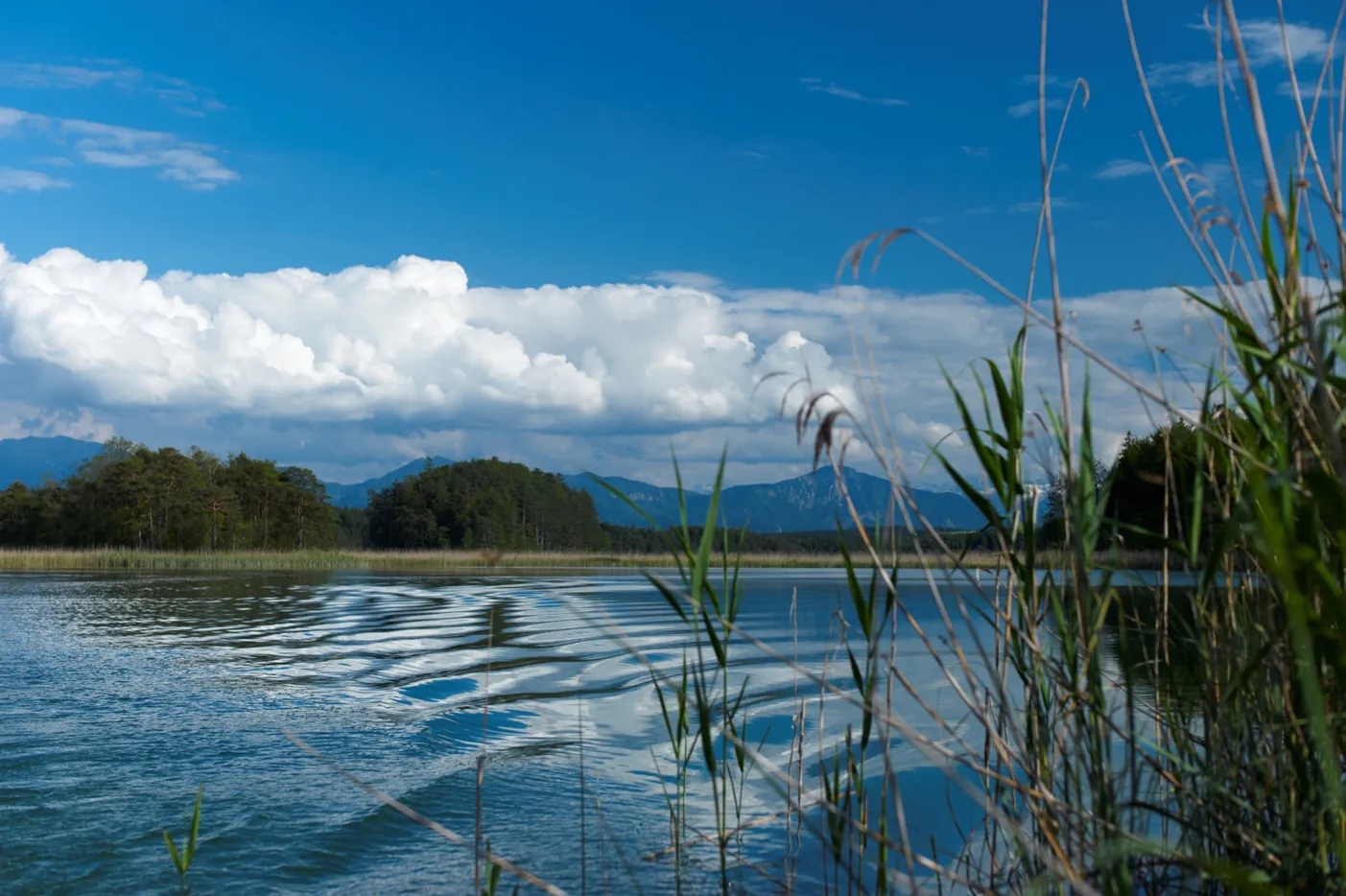
Osterseen: Autonomous Surface Vessels to Support Aquatic Researchers
Insights into the EcoBay project: How cutting-edge technology and robotic watercraft advance aquatic research at the Osterseen lakes.
Following the successful launch of the bayklif2 projects, public and media interest in our research continues to grow. A recent article published by Süddeutsche Zeitung (SZ)—one of Germany’s leading national daily newspapers—highlights the ecoBay subproject and the work of its participating research groups. As part of their coverage, SZ journalists visited researchers Prof. Dr. Ann-Marie…
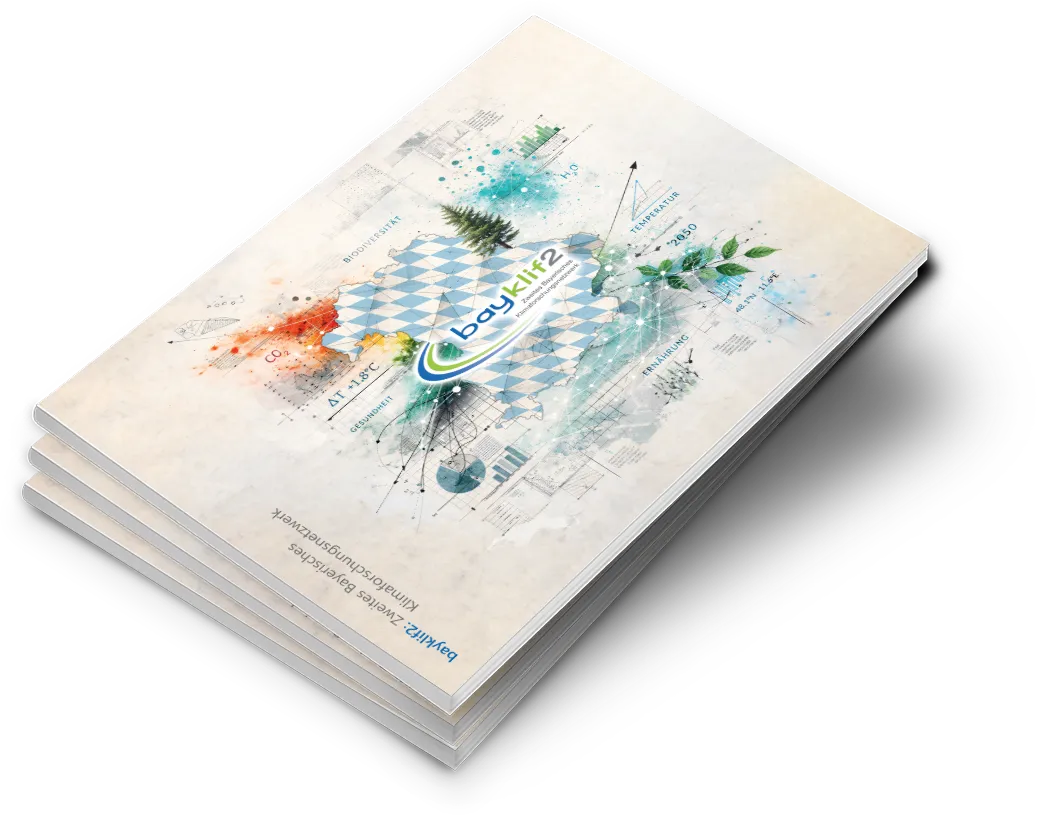
The second Bavarian Network for Climate Research (bayklif2) is pleased to present its official presentation brochure, just in time for the launch event. In this brochure, you will find everything you need to know about our network:
Strategic Orientation: Insights into the bayklif2 network, the scientific advisory board, and the network’s role as a bridge between research and politics.
The Six Joint Projects: Detailed presentation of current research priorities, ranging from the adaptation of forestry and climate-resilient cities to biodiversity in the Alpine region.
Scientific Impact: How bayklif2 develops solutions for the most pressing issues of climate change through interdisciplinary collaboration.
Funding & Partners: Information on the review process and the participating Bavarian universities and institutions.
Background: bayklif2 is funded by the Bavarian State Ministry of Science and the Arts to secure Bavaria’s position as a leading location for international top-level research in the field of climate change.
You may download the brochure here (german language):
The second Bavarian Network for Climate Research (bayklif2) is pleased to present its official presentation brochure, just in time for the launch event. In this brochure, you will find everything you need to know about our network: Background: bayklif2 is funded by the Bavarian State Ministry of Science and the Arts to secure Bavaria’s position…
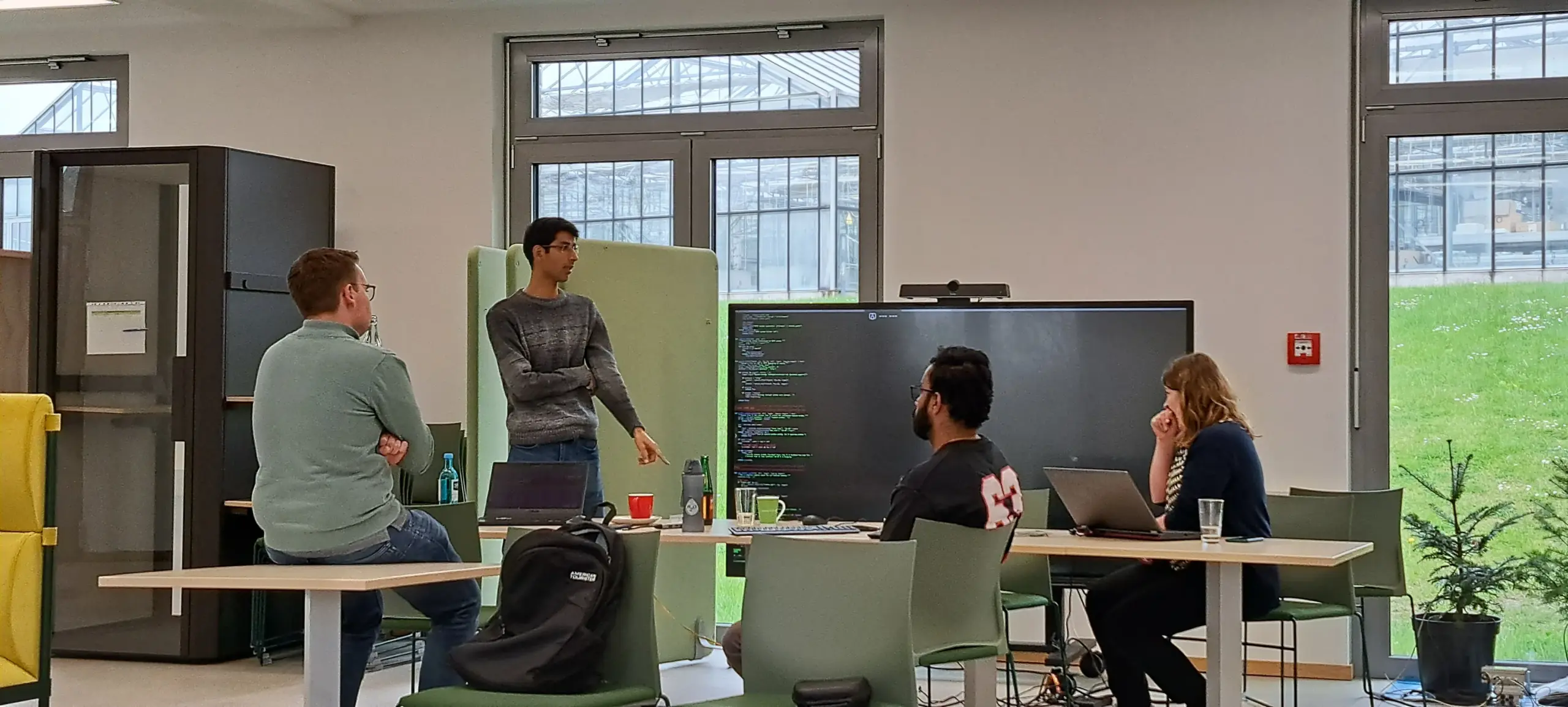
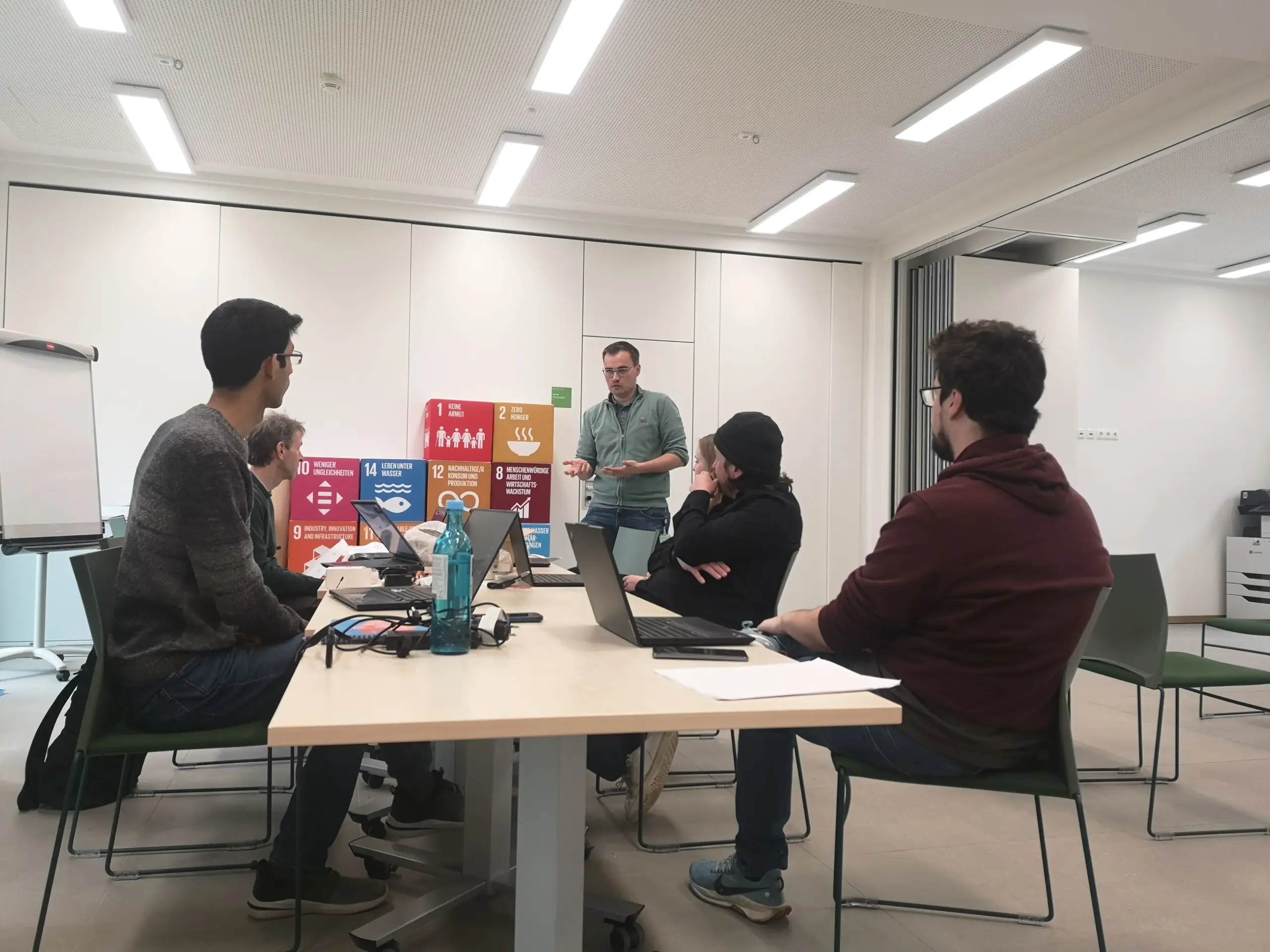
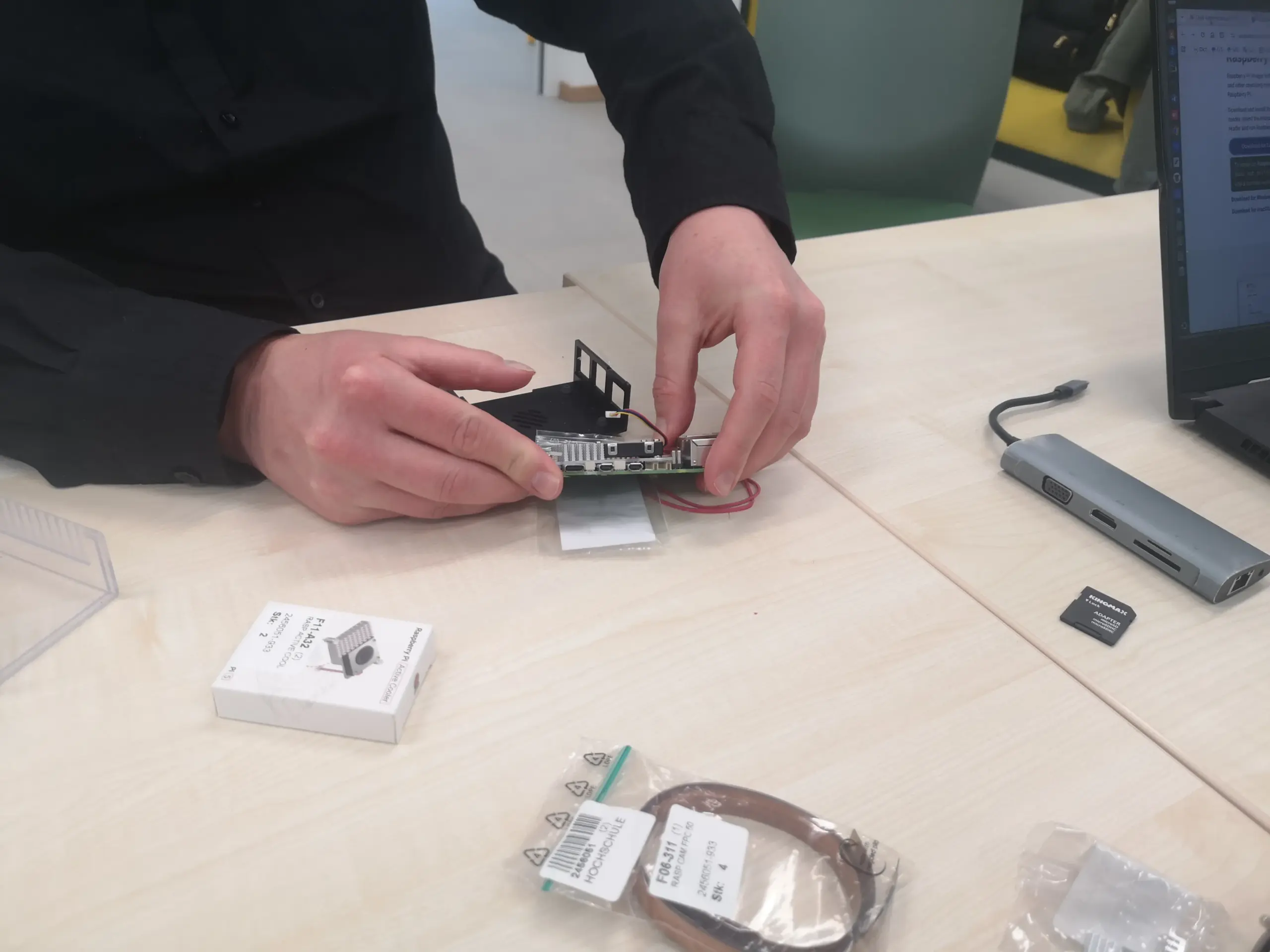
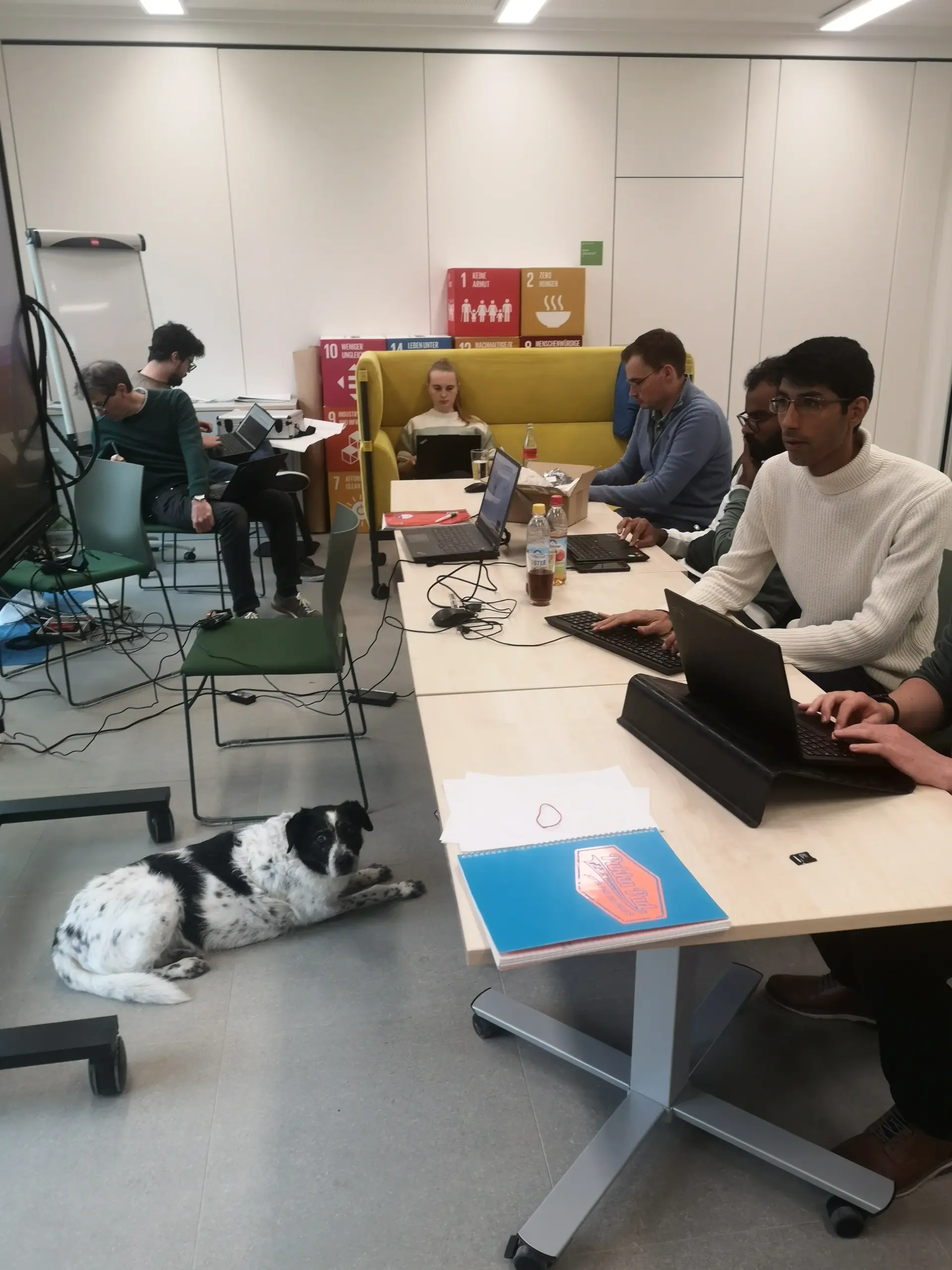
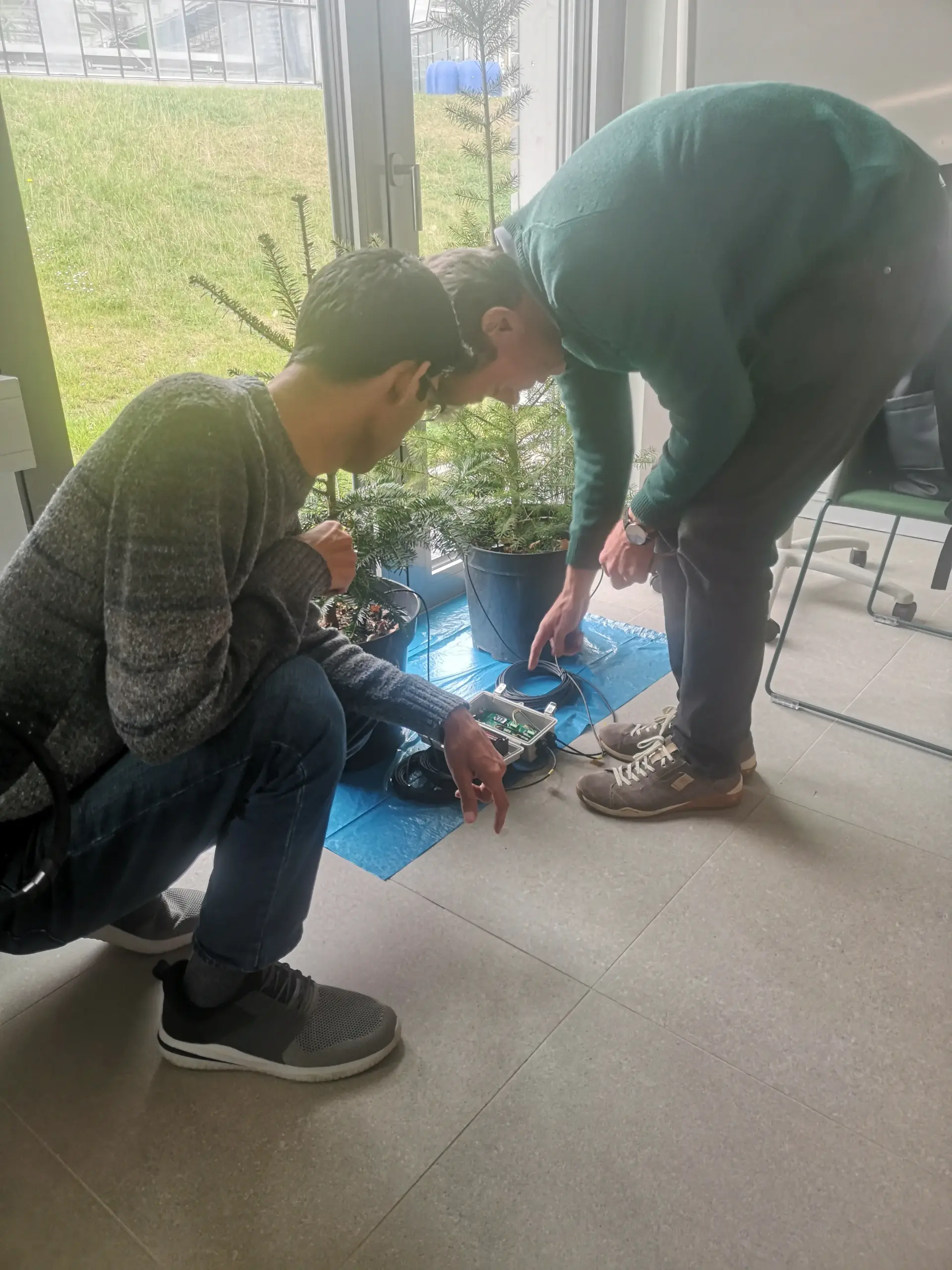
The goal was the automated capture of image data at regular intervals and its collection on corresponding servers. This high-resolution time series of image data will then be used to derive precise irrigation thresholds. To achieve this, a custom-designed “image data platform” based on Raspberry Pi with connected RGB, near-infrared, and thermal cameras was implemented and put into operation. A further objective was the commissioning of market-available IoT sensor technology.
Results after Two Days
The Raspberry Pi platform is functional, continuously captures image data at regular intervals, stores it locally, and sends an email if problems arise. The image data acquisition is fully automated. The IoT sensor technology has been installed, tested, and is largely operational.
For some final fine-tuning, another one-day hackathon will take place on April 29, during which the thermal camera (delivered by then) will be connected, an alarm function will be implemented, and documentation for users without an IT background will be created. A 3D-printed housing for the proprietary image data platform is currently in development.
Integration into the SmartReForest Project
Sub-project 3 of the project “Smart Solutions for Resilient Reforestation to Secure Essential Ecosystem Services under Climate Change” (SmartReForest) focuses on ensuring the success of reforestation measures. Here, AI-supported monitoring and irrigation systems are being developed based on remote sensing and ecophysiological measurements. The goal is the early detection of drought stress and targeted, efficient water supply to ensure the survival of young plants, avoid pampering effects, and conserve water resources.
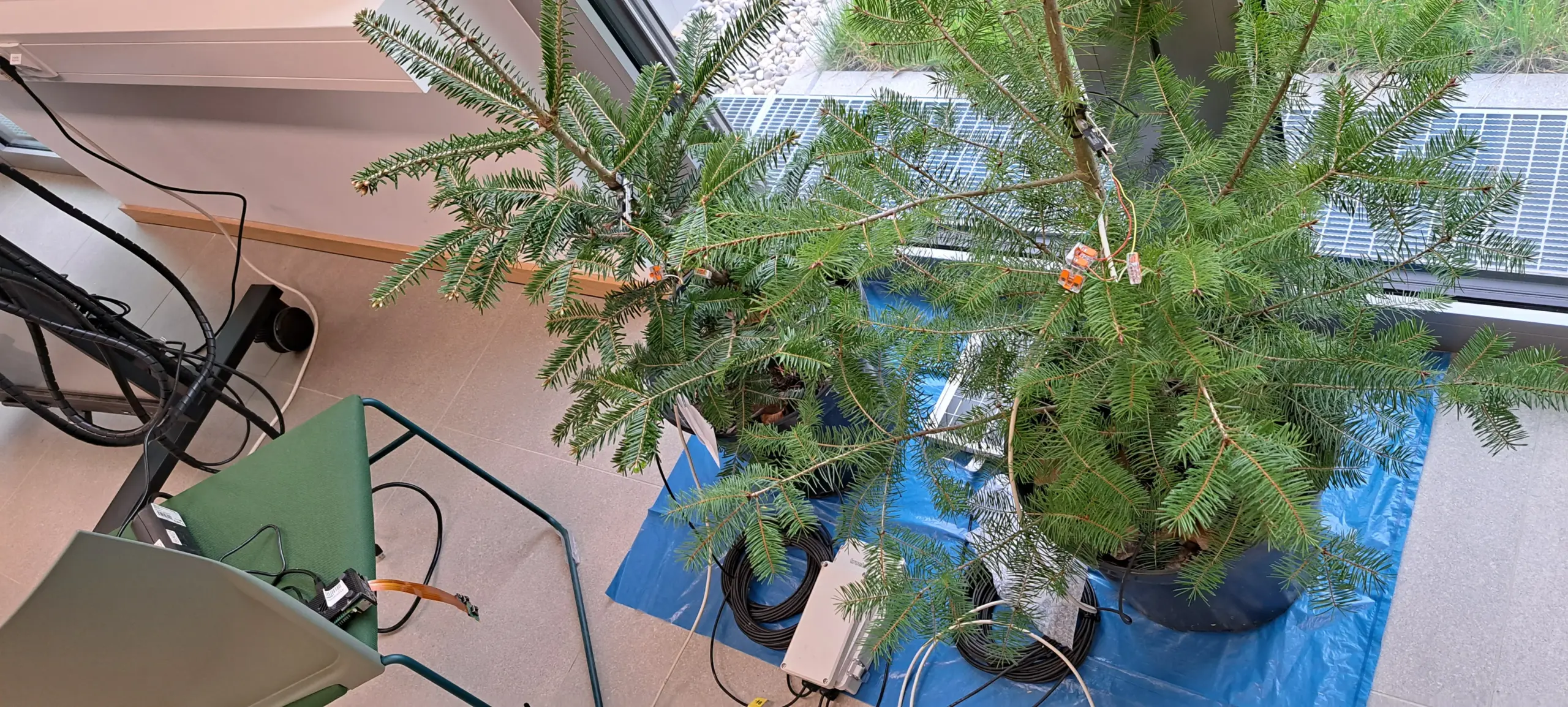
In the greenhouse experiments, a total of 100 young plants of a deciduous tree species (European beech) and a coniferous tree species (Douglas fir) are subjected to controlled drying and re-watering. These tree species are typically planted in the Frankenwald study area. From this, irrigation requirement thresholds are derived, and data is conceptualized for AI-based detection of irrigation needs at the individual tree level. The seedlings were potted at the end of March and placed on mobile tables that can be moved outdoors to collect data under field-like conditions and test sensor systems.
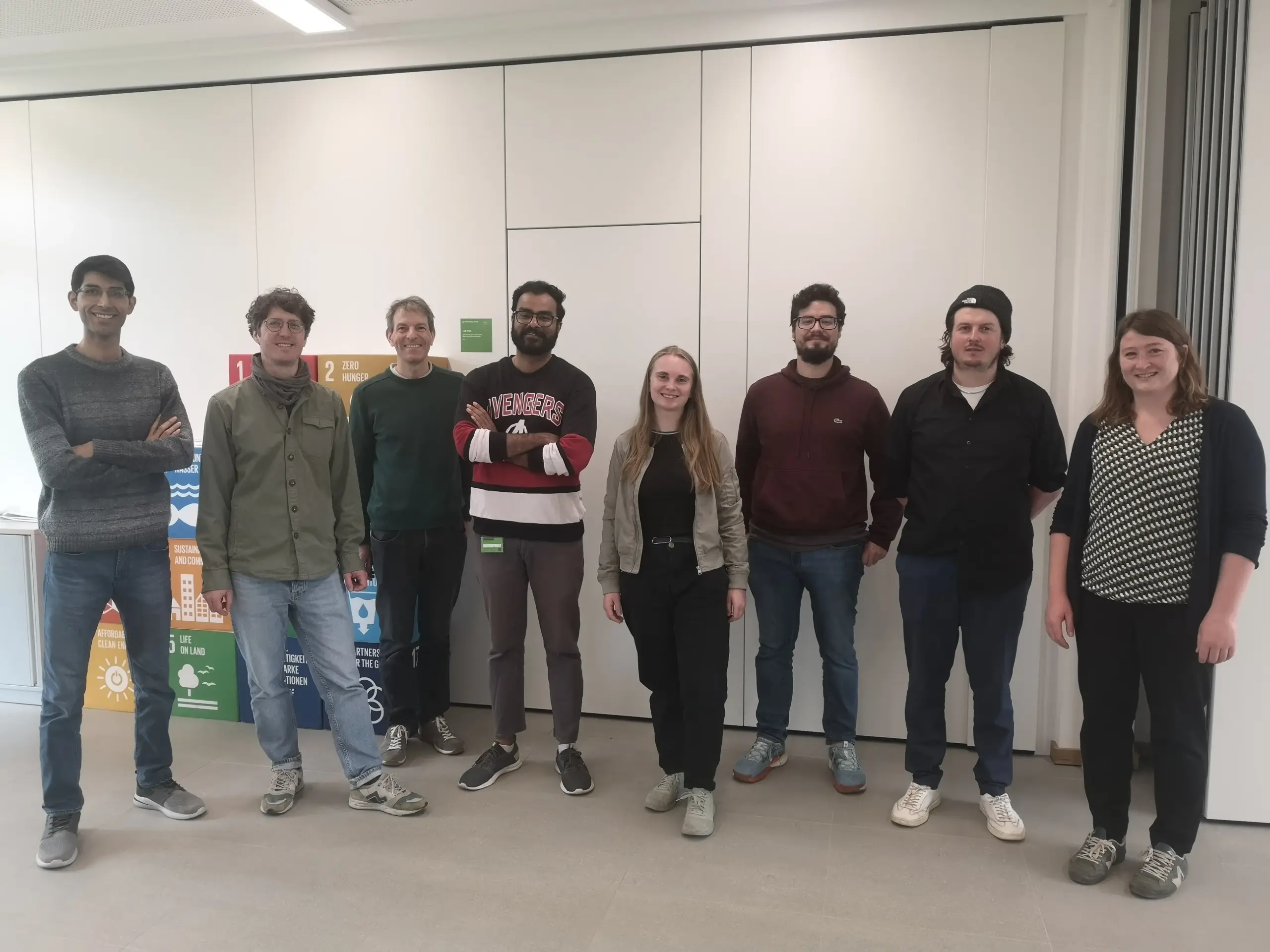
HSWT scientists from the Faculties of Wood and Forestry (group led by Prof. Dr. Christian Zang – Forest and Climate Change) and Sustainable Agricultural and Energy Systems (group led by Prof. Dr. Florian Haselbeck – Smart Farming) came together for two days of cross-faculty, focused collaboration to achieve important progress within the framework of the…
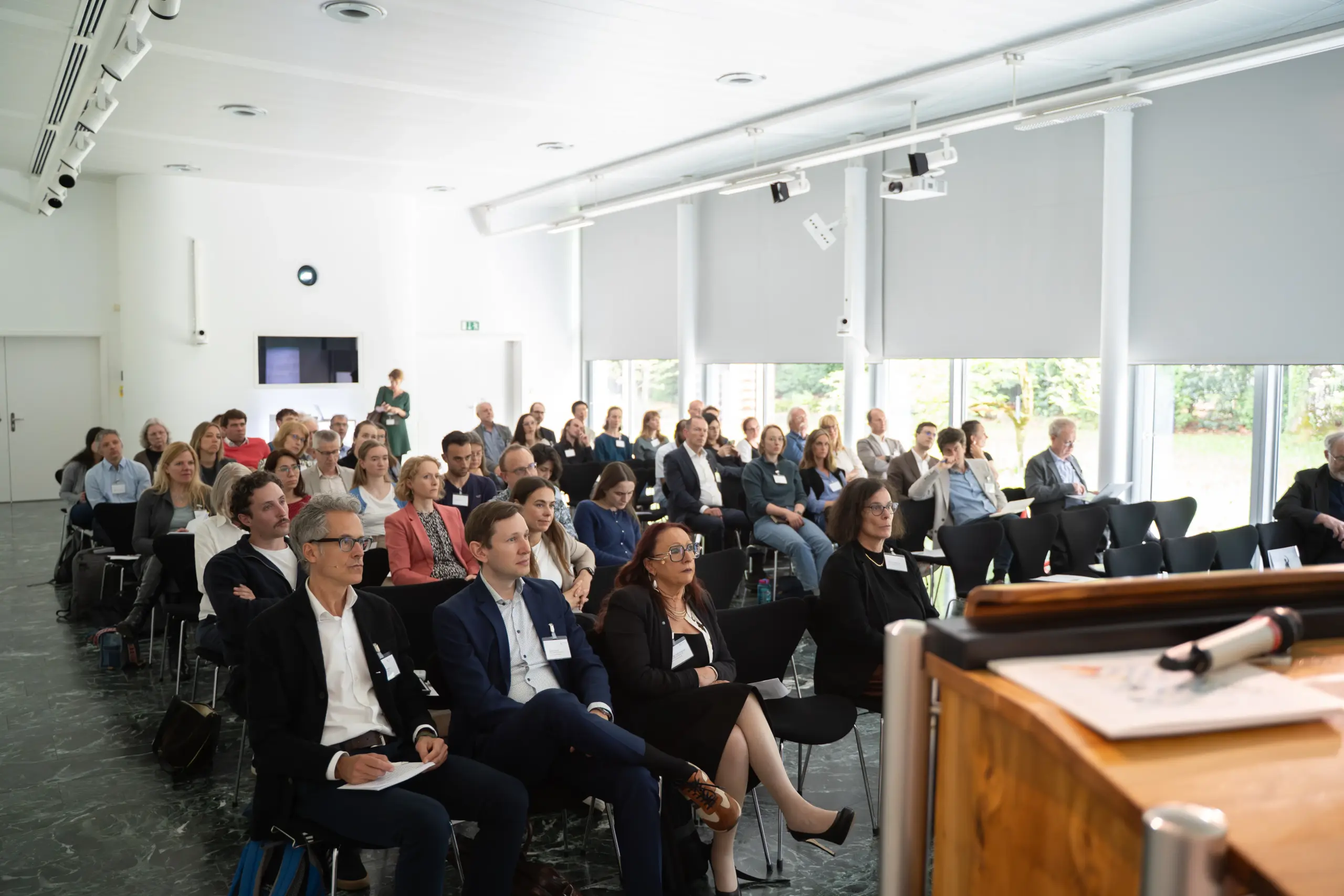
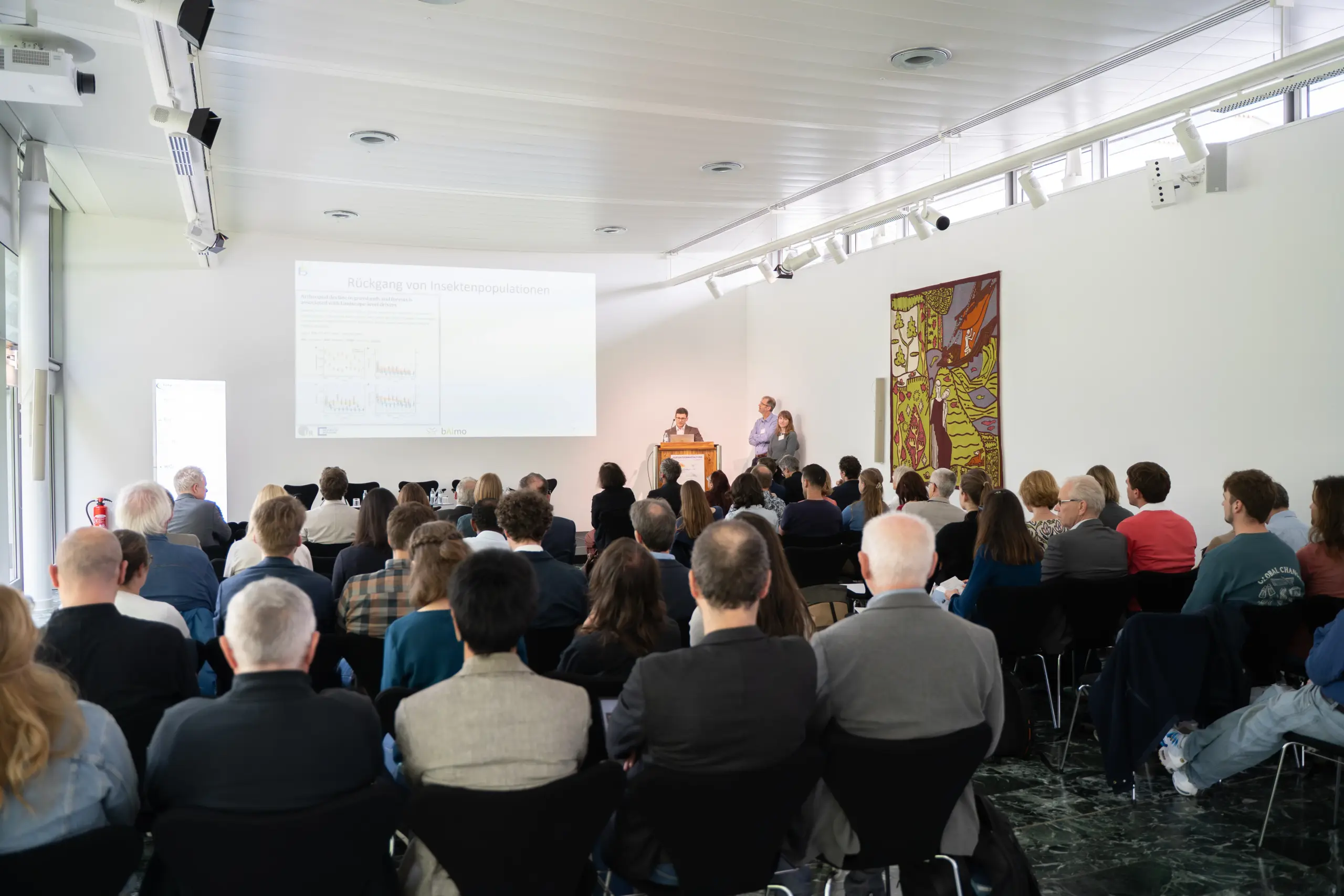
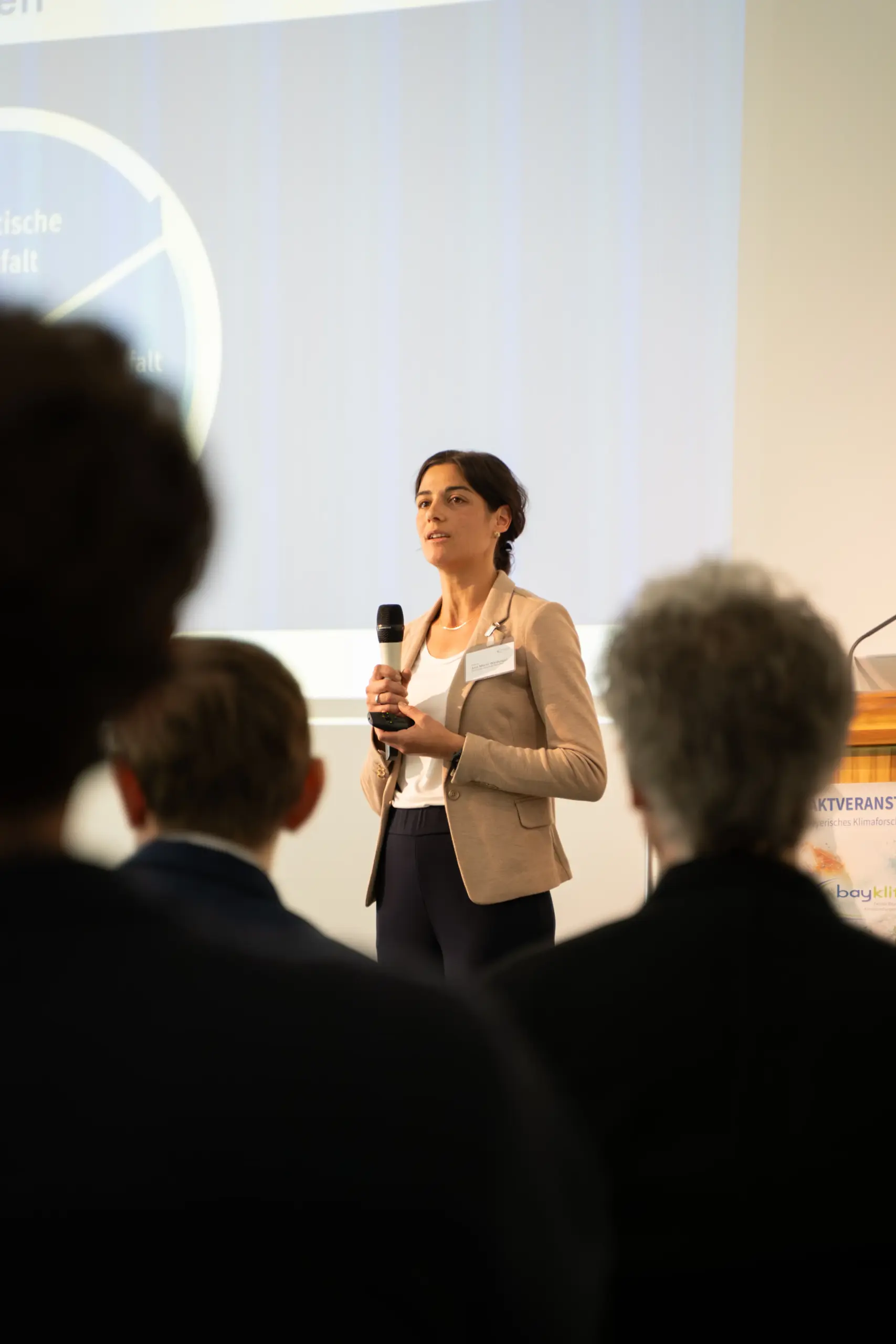
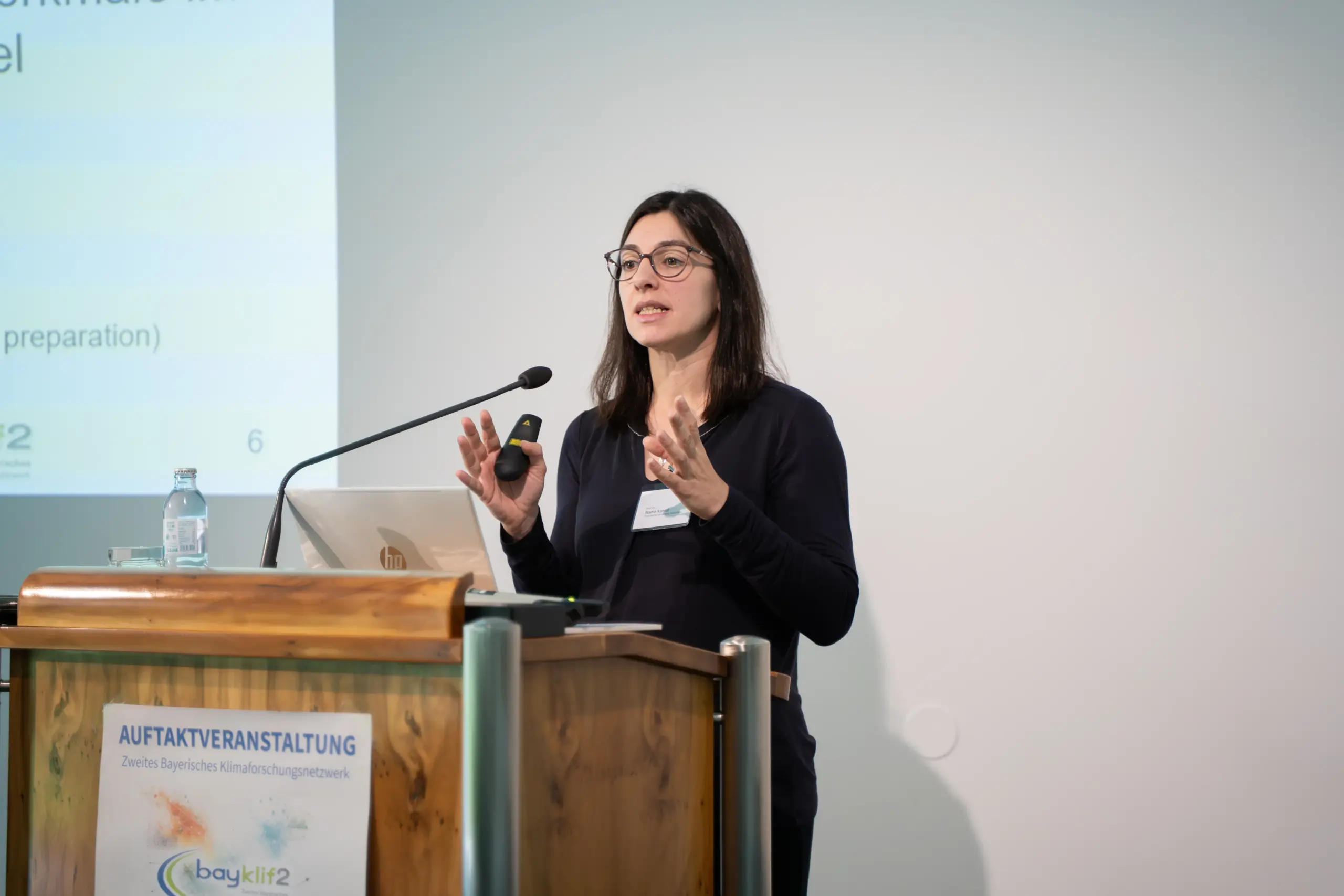
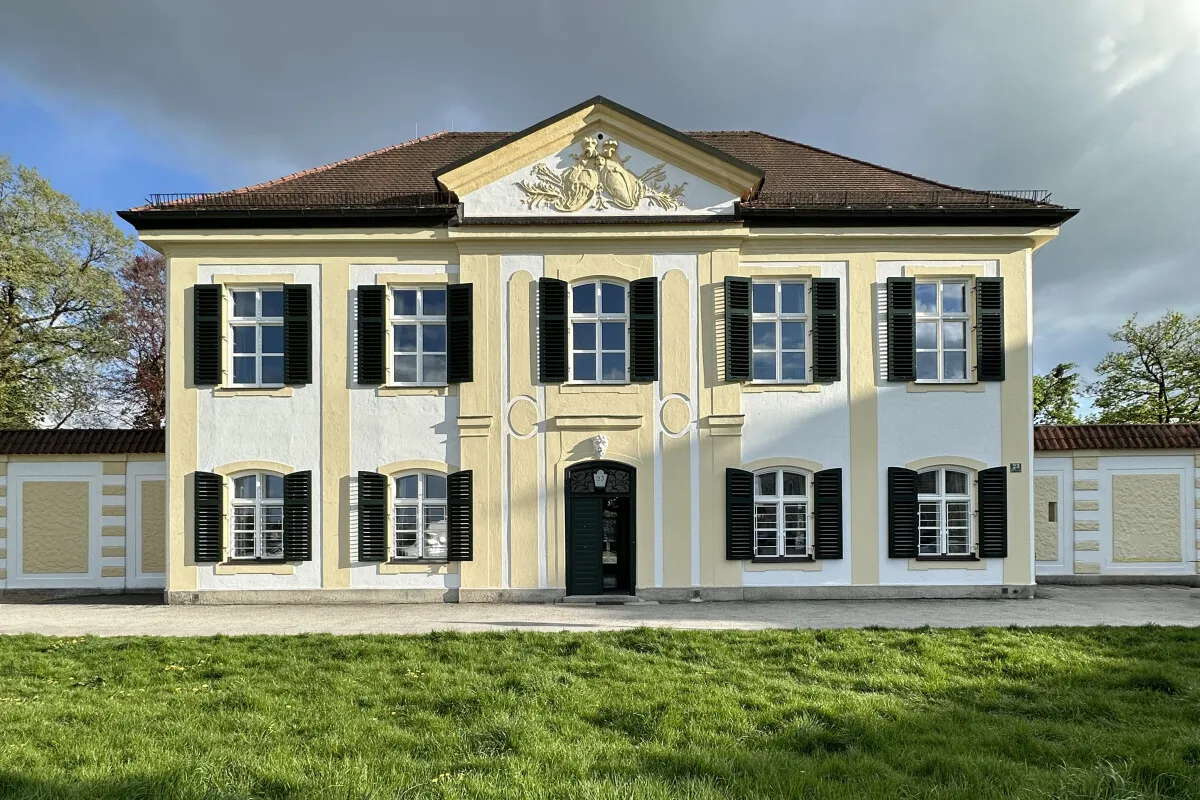
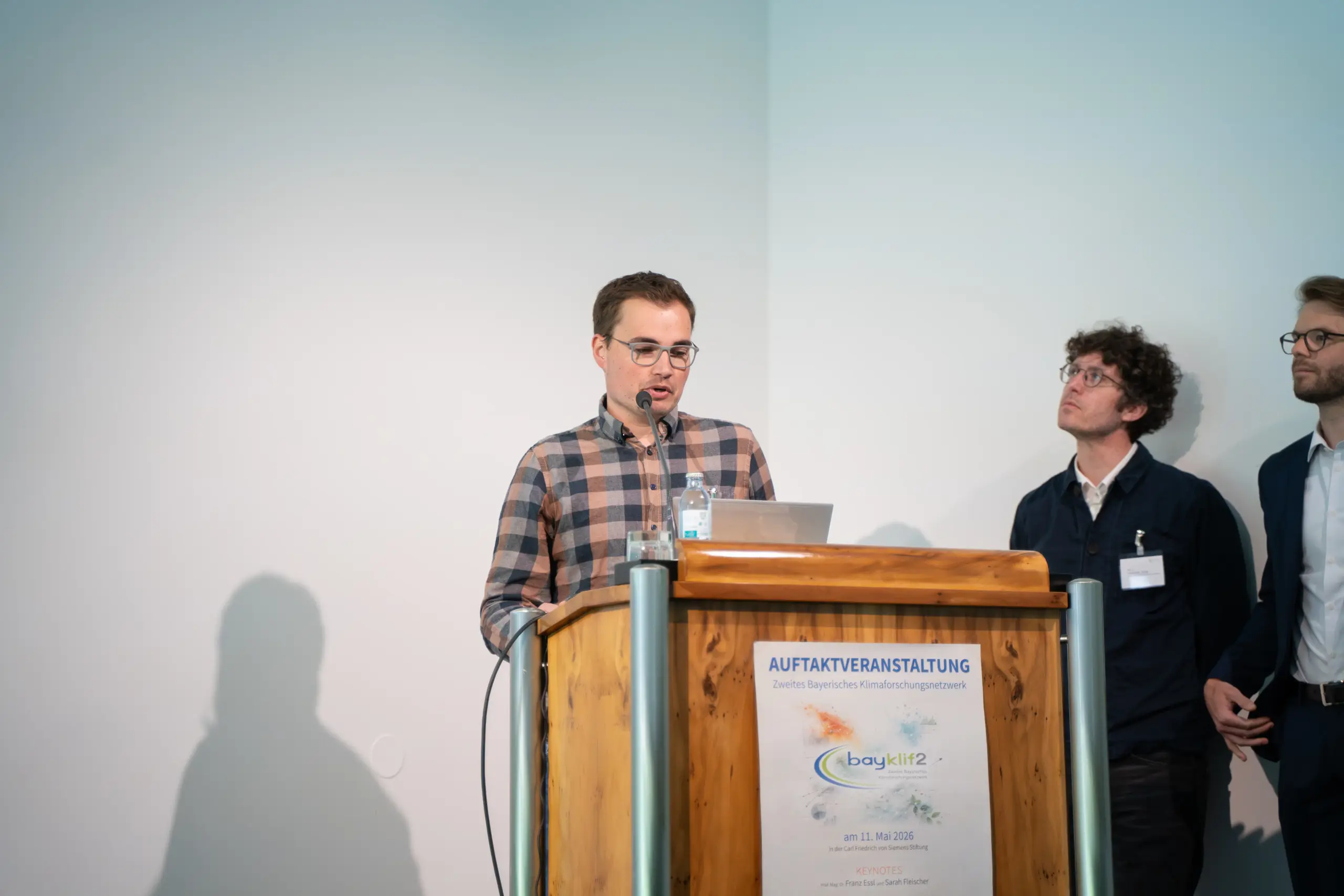
Munich, May 11, 2026 – In the impressive ambiance of the Carl Friedrich von Siemens Foundation at Nymphenburg Palace, science, politics, and business came together to celebrate the launch of the second phase of the Bavarian Climate Research Network, bayklif2. Guided by the motto of solution-oriented, translational climate research, the day offered not only high-caliber keynotes but also exciting insights into projects designed to enrich Bavaria’s future both ecologically and economically.
A Captivating Common Thread
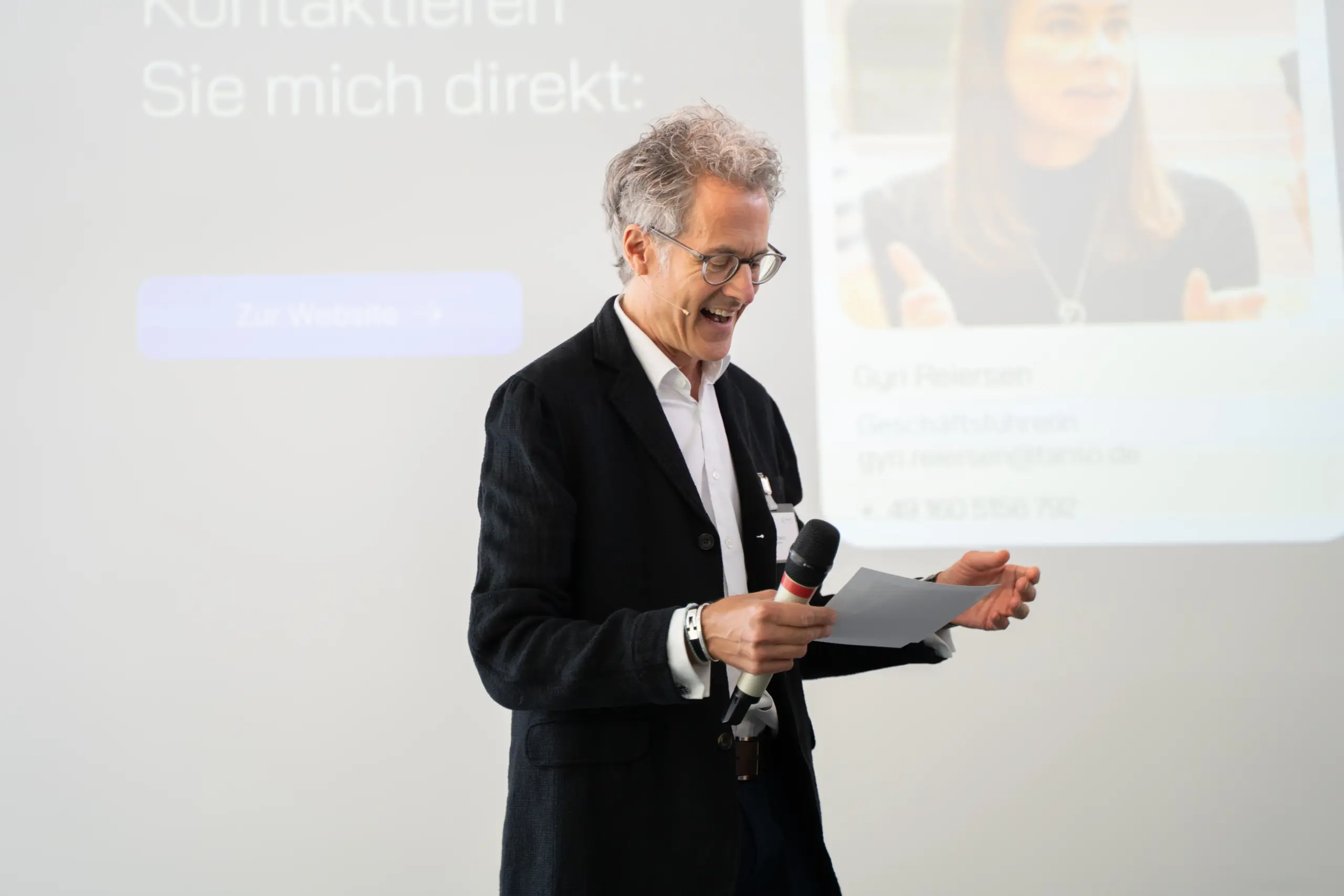
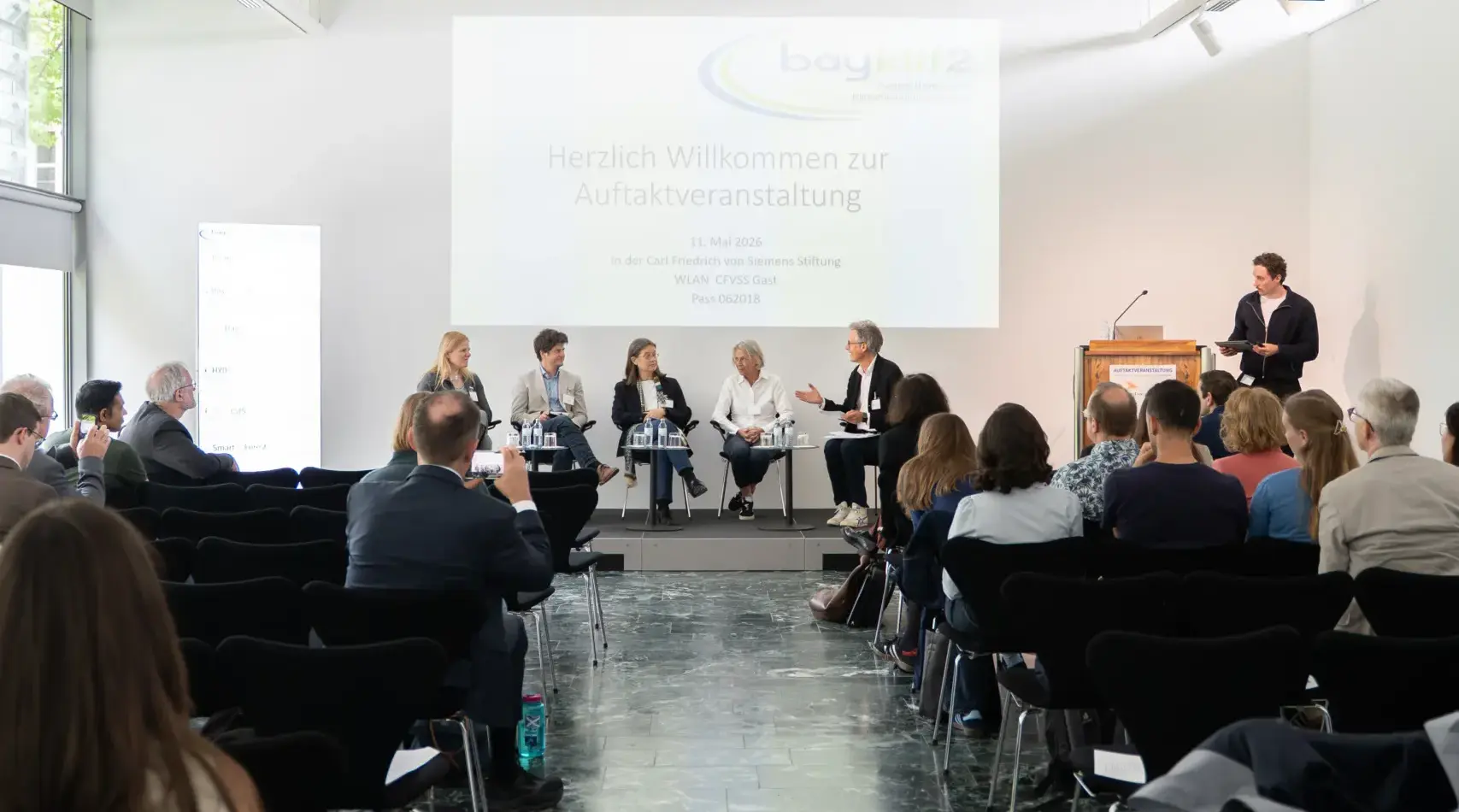
Florian Schwarz from Bayerischer Rundfunk (BR) guided the audience through the day. With a blend of charisma, humor, and high professionalism, he moderated the dense program, masterfully keeping the audience engaged while bridging the gap between complex scientific topics and societal relevance.
Impulses from Science and Business: The Keynotes
Two impressive keynotes formed the core content of the event and delivered clear appeals:
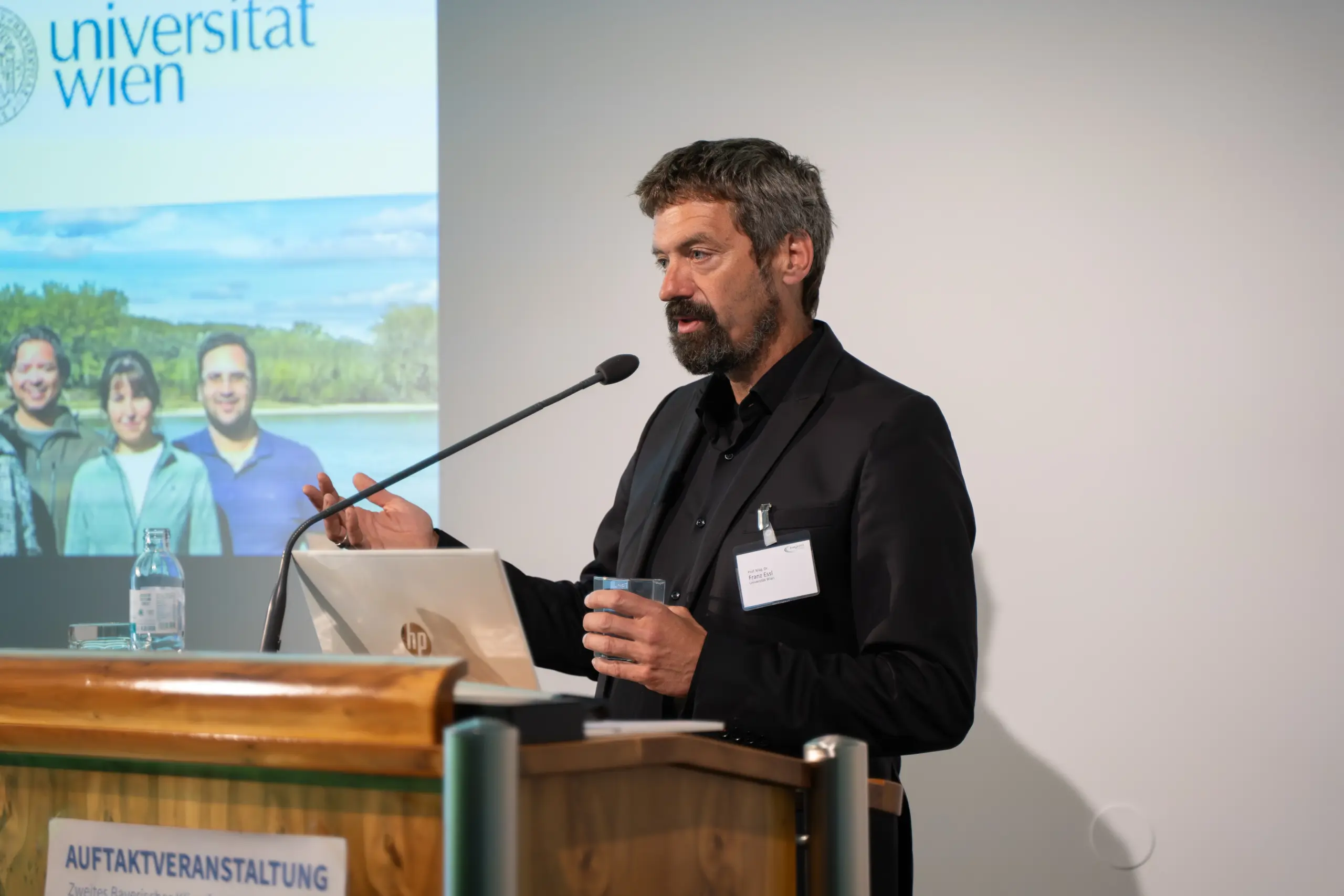
Professor Essl painted a powerful picture of the Anthropocene – an epoch in which humanity fundamentally dominates the biosphere to the extent that seven out of nine planetary boundaries have already been crossed. He illustrated that the climate and biodiversity crises are inextricably intertwined, making a passionate plea to turn biophysical limits into the foundation of political decision-making. His conclusion was clear: nature conservation is not only ecologically necessary but also economically sensible, as the costs of inaction far exceed the costs of adaptation.
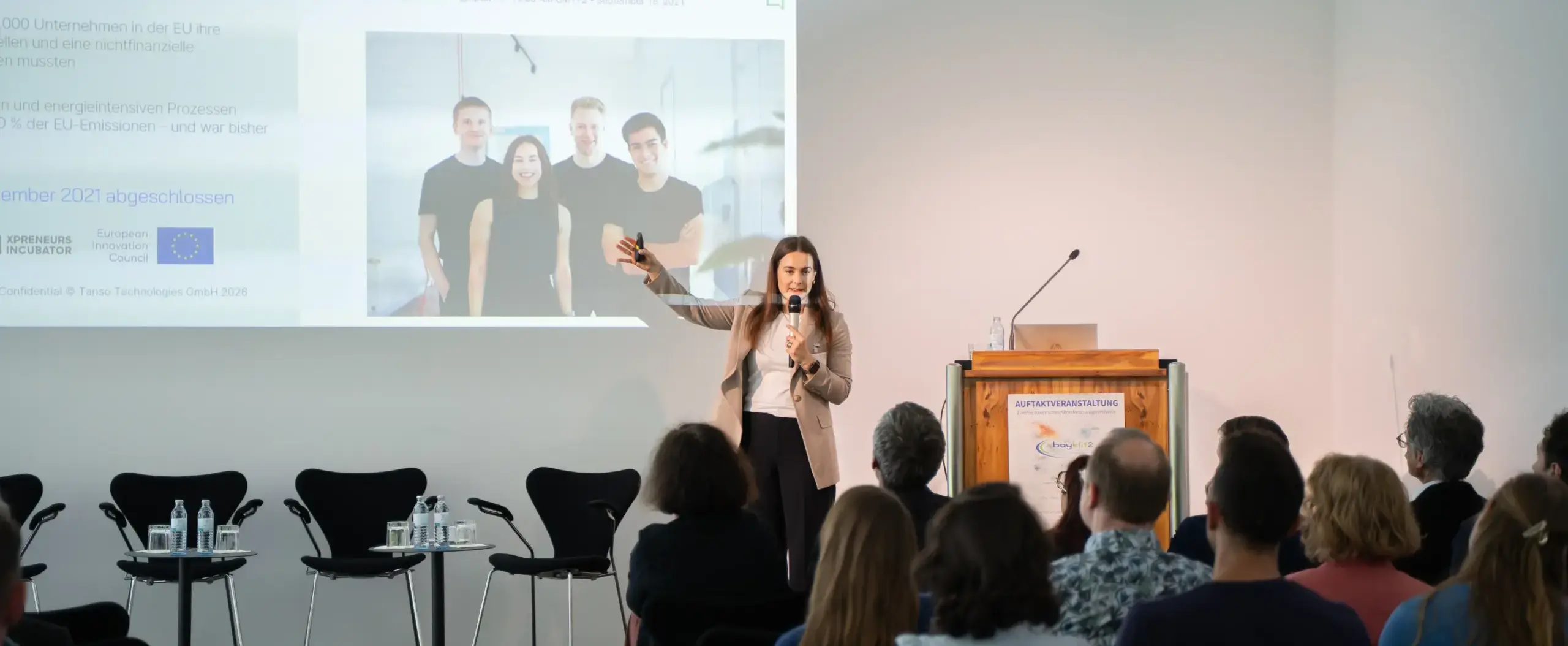
The co-founder of Tanso, a company that brings industrial enterprises up to speed regarding carbon accounting and ESG management, demonstrated how scientific excellence from AI research can be directly transferred into industrial practice to finally make carbon footprints measurable and manageable. She emphasized that with its strong hardware base, first-class research/brainpower, and available capital, Bavaria already holds all the trump cards to lead the transformation. Her central mission was to overcome the mental hurdle of the “fear to dare”: climate protection in the Bavarian economy should no longer be viewed as a burdensome duty, but rather as the decisive future location advantage for health, the living environment, and energy sovereignty.
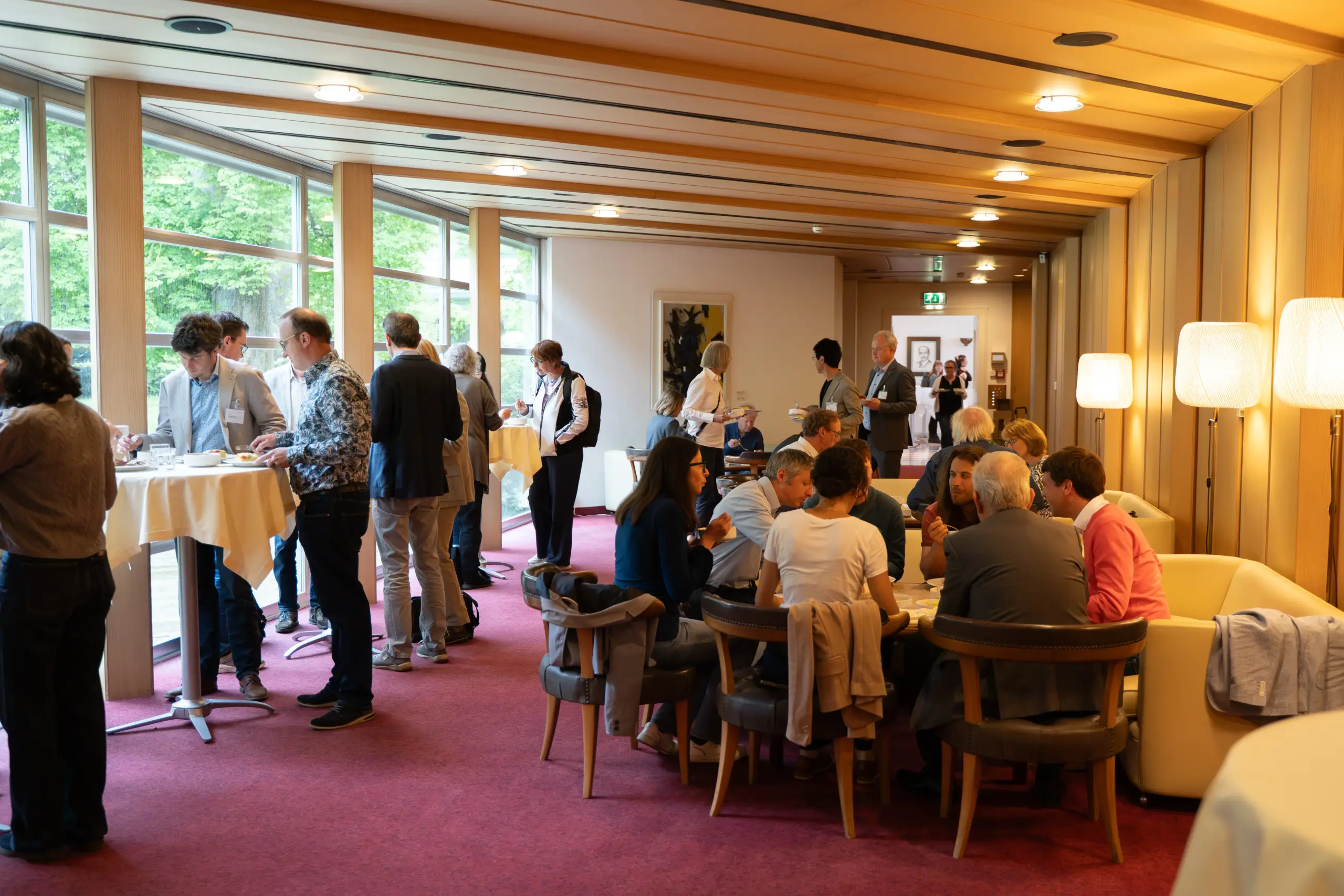
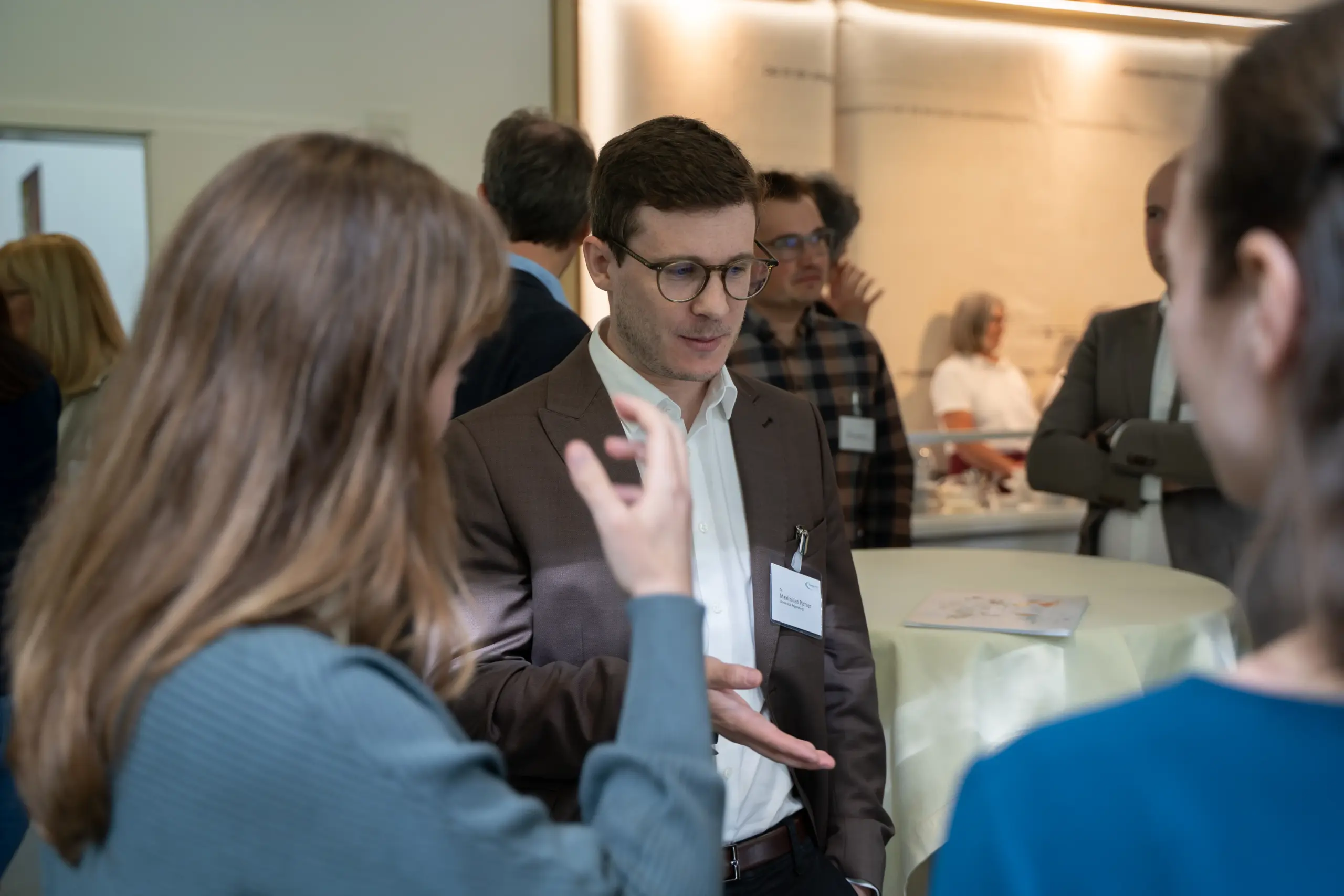
Genau dieser Gedanke der Vernetzung prägte auch den Geist der Veranstaltung: Nach den intensiven Fachvorträgen ging der Tag in einen lebendigen Austausch bei Kaffee und Kuchen über. In entspannter Atmosphäre wurde angeregt diskutiert, gelacht und neue Kontakte wurden geknüpft. Dabei wurde deutlich, dass bayklif2 weit mehr ist als ein Forschungsprogramm – es ist ein Netzwerk engagierter Wissenschaftlerinnen und Wissenschaftler sowie Visionäre, die gemeinsam daran arbeiten, Bayern für kommende Generationen lebenswert zu erhalten und wissenschaftlich wie wirtschaftlich weiter voranzubringen.
Fotos von Fabian Richter
The Core: Overview of the Network’s Bavarian Research Projects
At the heart of the event was the presentation of the six interdisciplinary joint projects, demonstrating how concretely bayklif2 is working on solutions:
bAImo: A modern insect monitoring system that utilizes AI and citizen science to provide reliable data on the state of our insect populations amidst climate change.
BaySenseAI: Developed in the Berchtesgaden National Park, this project builds a scalable AI platform that combines satellite data and field studies to precisely predict Bavaria’s biodiversity.
ecoBay: Floating autonomous robots revolutionize the monitoring of Bavarian lakes by independently collecting genetic samples (eDNA) and assessing the health of ecosystems.
HYDROOT: Investigates the hidden foundation of our agriculture – the interplay between plant roots and the soil microbiome – to make harvests more resilient against drought and heavy rainfall.
MEDICUS: Links urban climate models with environmental medicine to protect particularly vulnerable groups in cities like Munich and Augsburg from heat, pollen, and pollutants.
SmartReForest: Develops AI-driven strategies for the reforestation of damaged forests to secure multifunctional and climate-resilient forest ecosystems for the future.
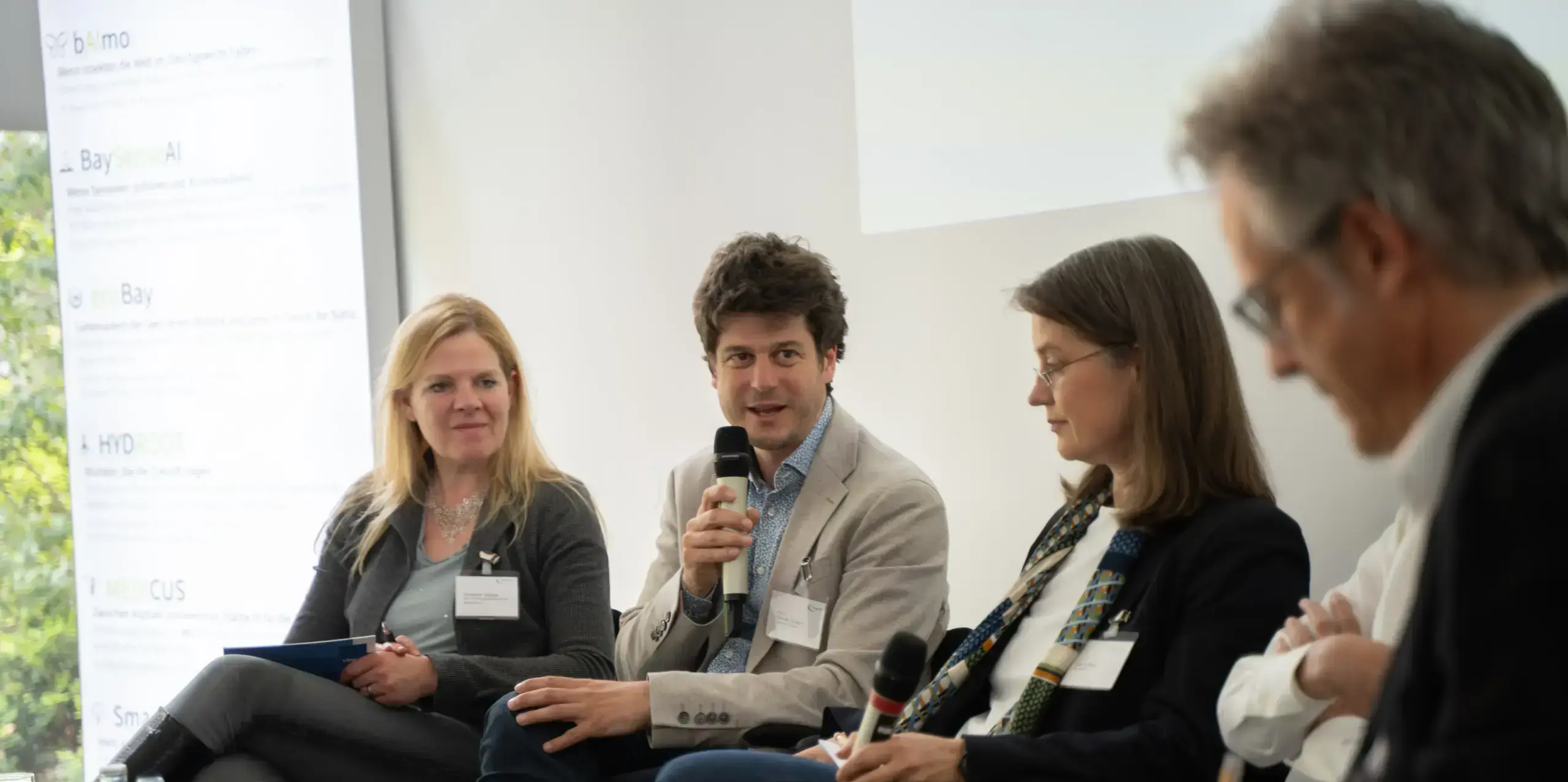
Science Panel: Climate Protection and the Economy in Bavaria – Contradiction or Opportunity?
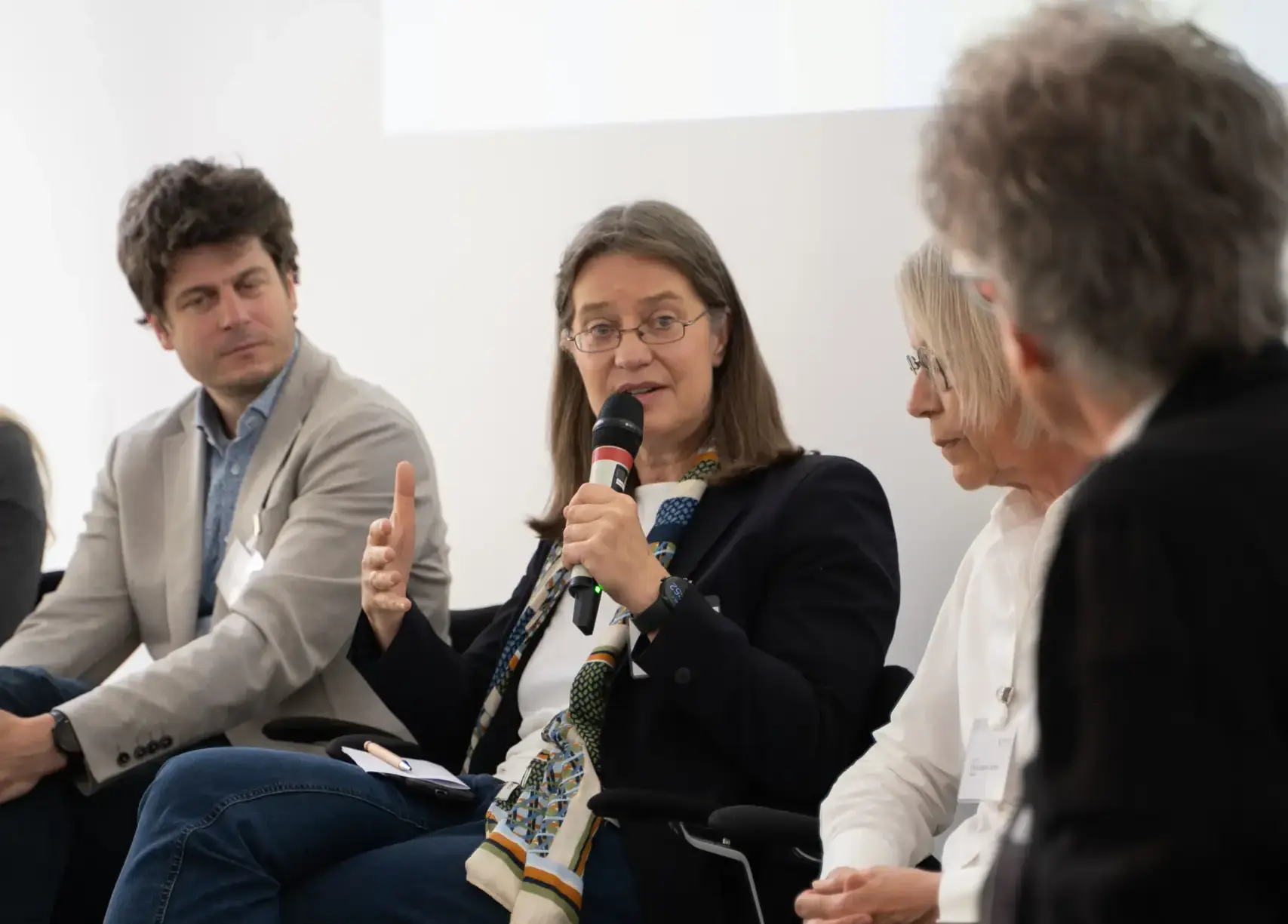
As part of the bayklif2 kickoff event, Prof. Dr. Karen Pittel (ifo Institute), Prof. Dr. Florian Diekert (University of Augsburg), Prof. Dr. Chris-Carolin Schön (Technical University of Munich), and Christine Völzow (vbw – Bavarian Industry Association) discussed the compatibility of climate protection and economic development in Bavaria, moderated by Florian Schwarz.
Not a Contradiction, but a Design Task
Agreement prevailed among the panelists: climate protection and the economy are not opposites. The actual core of the challenge lies in the transition – from a fossil-based to a renewable economy. This structural change is painful but manageable if the right framework conditions are set.
Bavaria as a Living Lab
Prof. Diekert highlighted Bavaria’s unique role: the large number of municipalities and companies allows for testing different solution approaches and learning from experience. Bavaria thus offers ideal conditions as a living lab for climate protection measures.
Bureaucracy as an Obstacle
Christine Völzow pointed out a central bottleneck: between 2021 and 2024, over 300,000 jobs were created in Germany solely to fulfill new reporting obligations – capacities that do not benefit climate protection itself. Furthermore, funding programs are often too complex, such as the industrial electricity price, whose regulations de facto exclude many companies from utilizing it.
Scaling Research Results
Prof. Pittel emphasized that innovation does not end with invention: the critical step is scaling – transferring successful solutions from individual projects to a broader application. She sees a gap here in funding policy, which often fails to consider this final step into the market and practice.
Wishes for the Future
To conclude, the panelists formulated their wishes: more evidence-based climate policy that gains acceptance among the population; making climate protection more tangible – for instance, by protecting the local lake instead of focusing on abstract future scenarios; and a tighter integration of research, business, and implementation from the very beginning.
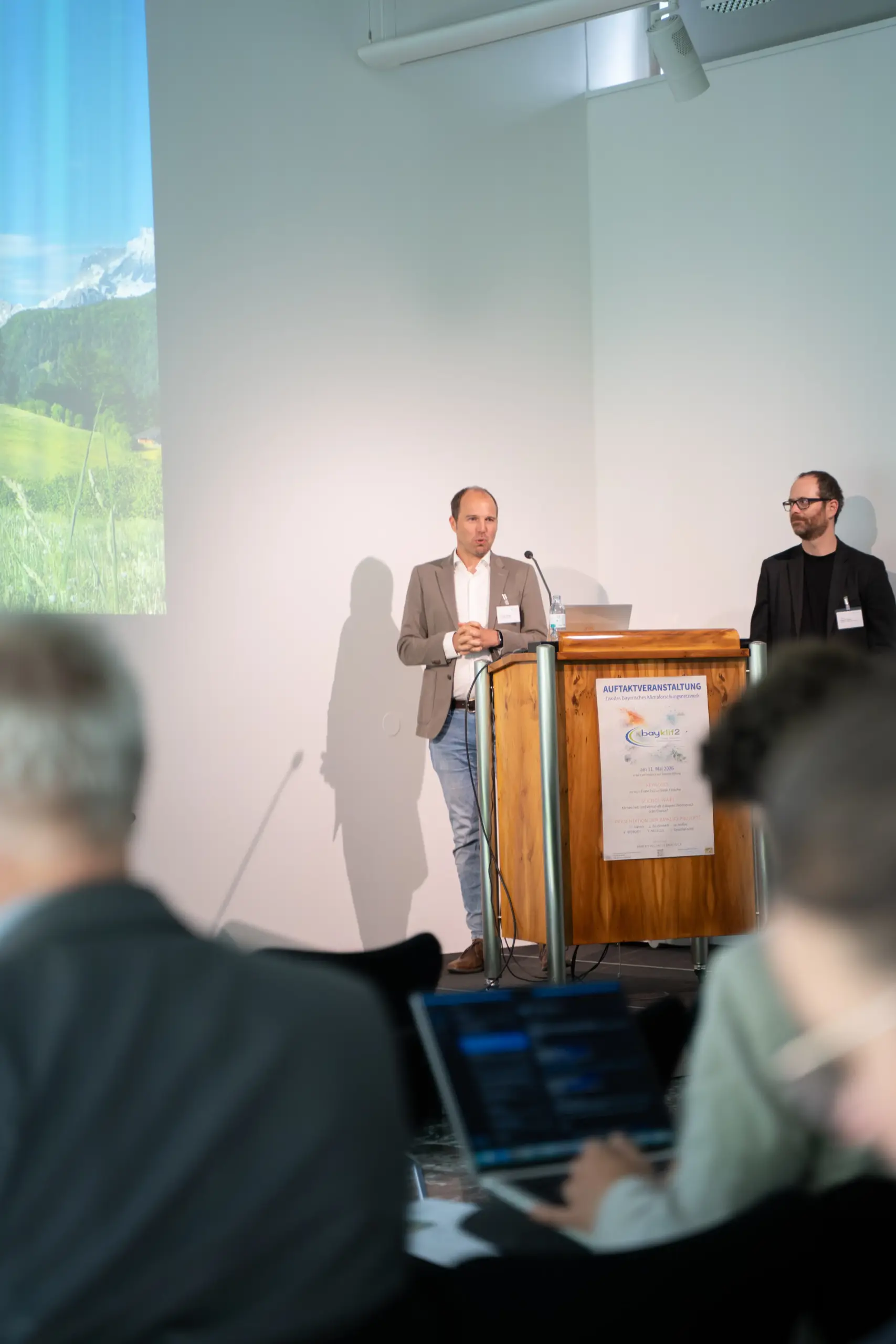
The official part of the kickoff was concluded by the head of the bayklif2 coordination office. Dr. Ulrike Kaltenhauser drew a positive summary and emphasized that the bayklif2 research network, funded by the Bavarian State Ministry of Science and the Arts, helps bundle the expertise available in Bavaria. The networking of interdisciplinary projects creates added value – both for the citizens of Bavaria and far beyond.
When Science Comes Alive: Networking and Community
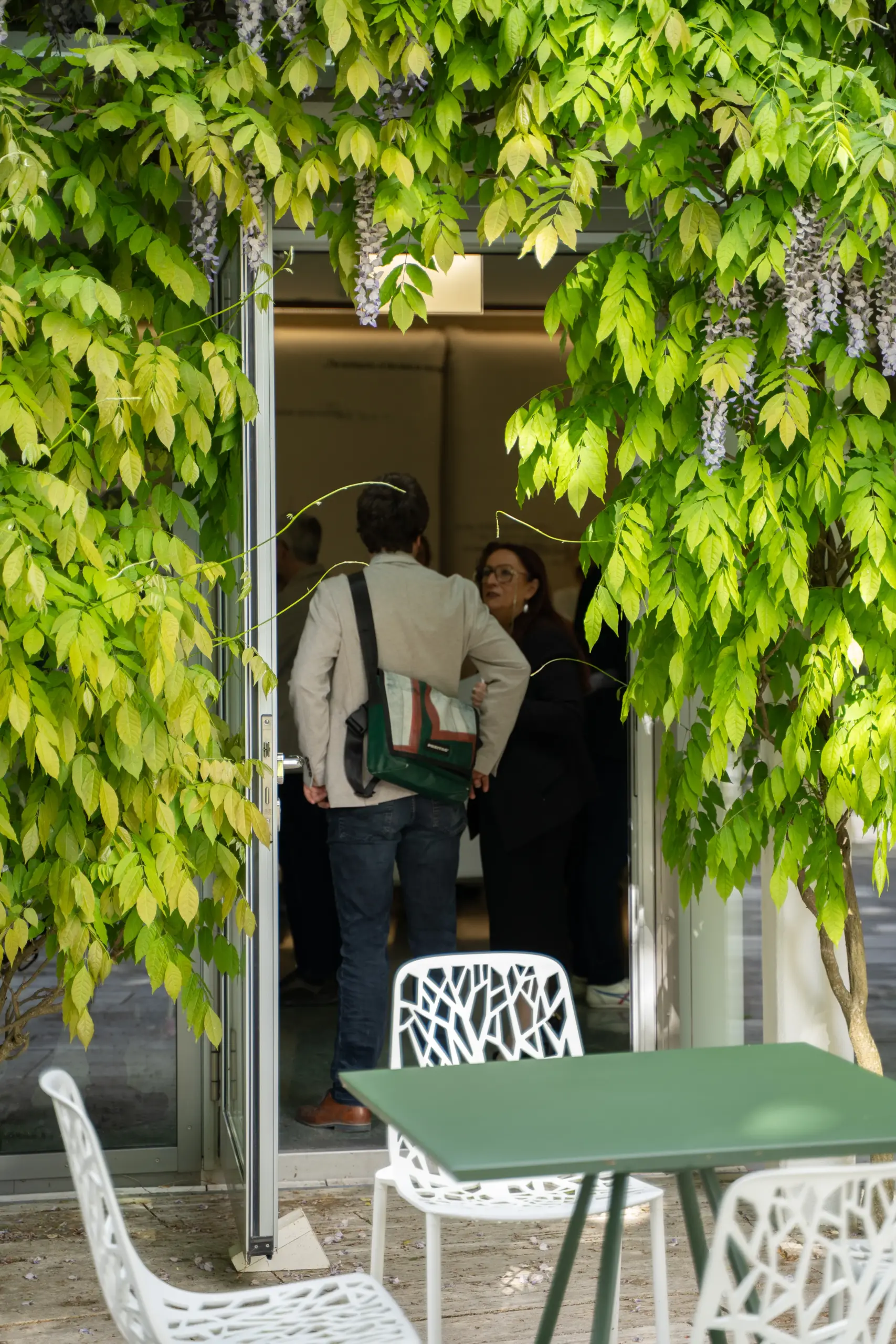
It was precisely this spirit of networking that shaped the event: following the intensive specialist lectures, the day transitioned into a lively exchange over coffee and cake. In a relaxed atmosphere, animated discussions took place, laughter was shared, and new connections were forged. It became clear that bayklif2 is far more than just a research program – it is a network of dedicated scientists and visionaries working together to keep Bavaria livable for future generations and to advance it both scientifically and economically.
Photography by Fabian Richter
Munich, May 11, 2026 – In the impressive ambiance of the Carl Friedrich von Siemens Foundation at Nymphenburg Palace, science, politics, and business came together to celebrate the launch of the second phase of the Bavarian Climate Research Network, bayklif2. Guided by the motto of solution-oriented, translational climate research, the day offered not only high-caliber…
How does climate change impact health, water, nutrition, and biodiversity—and what solutions can science develop?
The time has come! It is with great pleasure that we announce the launch of the second Bavarian Climate Research Network. Following an intensive evaluation process, six interdisciplinary research projects have been selected. Together, they form the new bayklif2 network, which will focus on finding practical answers to the challenges climate change poses for Bavaria.
To mark the official start of bayklif2 in a fitting setting, a launch event featuring project presentations, keynote speeches, and panel discussions will take place on May 11, 2026, at the Carl Friedrich von Siemens Foundation in Munich.
Program Highlights:
Keynotes by Prof. Dr. Franz Essl (University of Vienna) and Gyri Reiersen (CPO of tanso Technologies GmbH)
Presentations of the selected research projects
Science Panel: “Climate Protection and the Bavarian Economy – Contradiction or Opportunity?”
The event expects high-level participants from the fields of science, politics, and the media—including the project leaders themselves, all of whom are luminaries in their respective fields.
Admission is free! Please register soon, as capacity is limited.
Funding Information
bayklif2 is funded by the Bavarian State Ministry of Science and the Arts.
The event is funded by the Carl Friedrich von Siemens Foundation.
How does climate change impact health, water, nutrition, and biodiversity—and what solutions can science develop? The time has come! It is with great pleasure that we announce the launch of the second Bavarian Climate Research Network. Following an intensive evaluation process, six interdisciplinary research projects have been selected. Together, they form the new bayklif2 network,…