
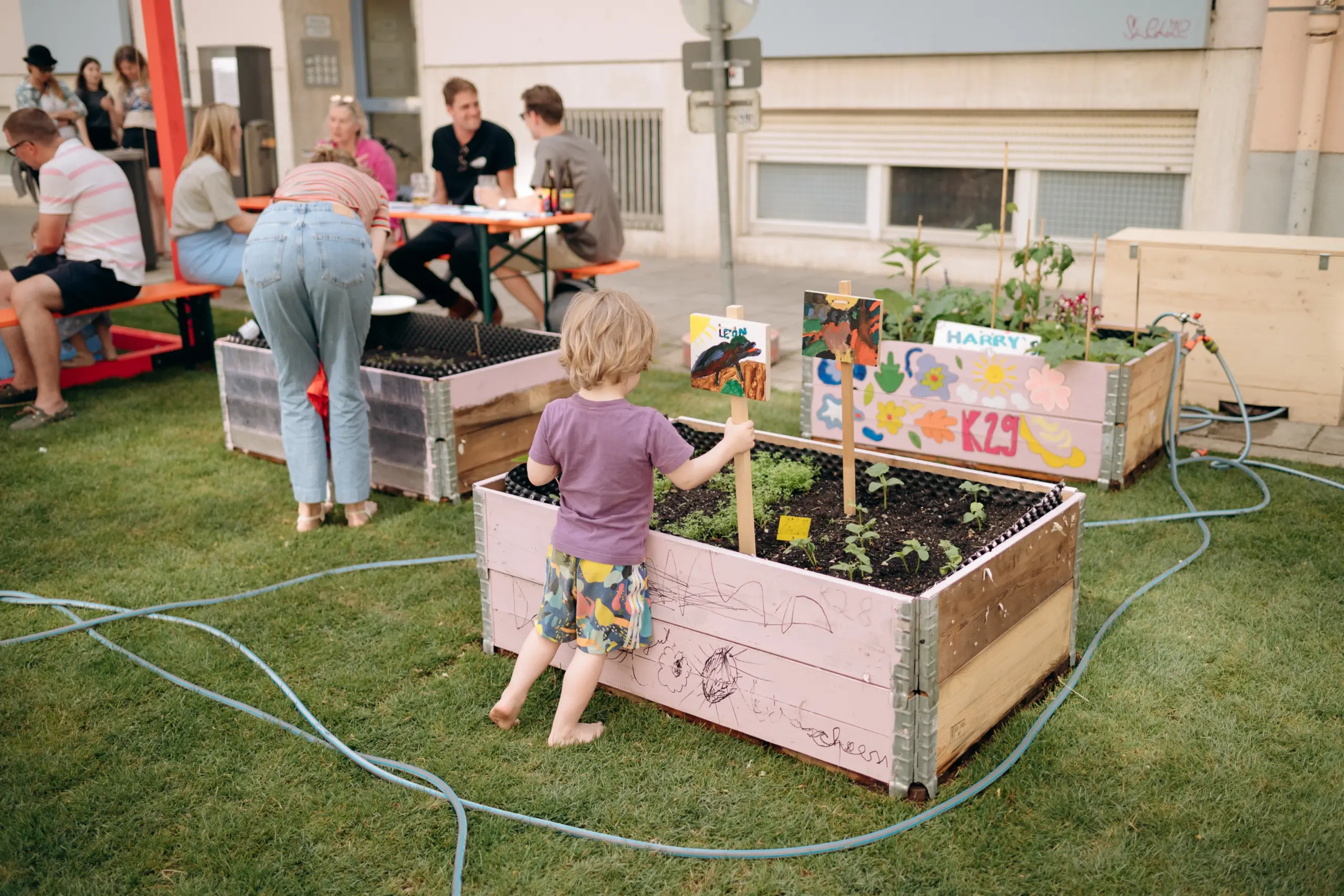
Verständnis der Folgen des Klimawandels für individuelle, städtische und planetare Gesundheit beitragen. Foto: MCube / V. Zayika.
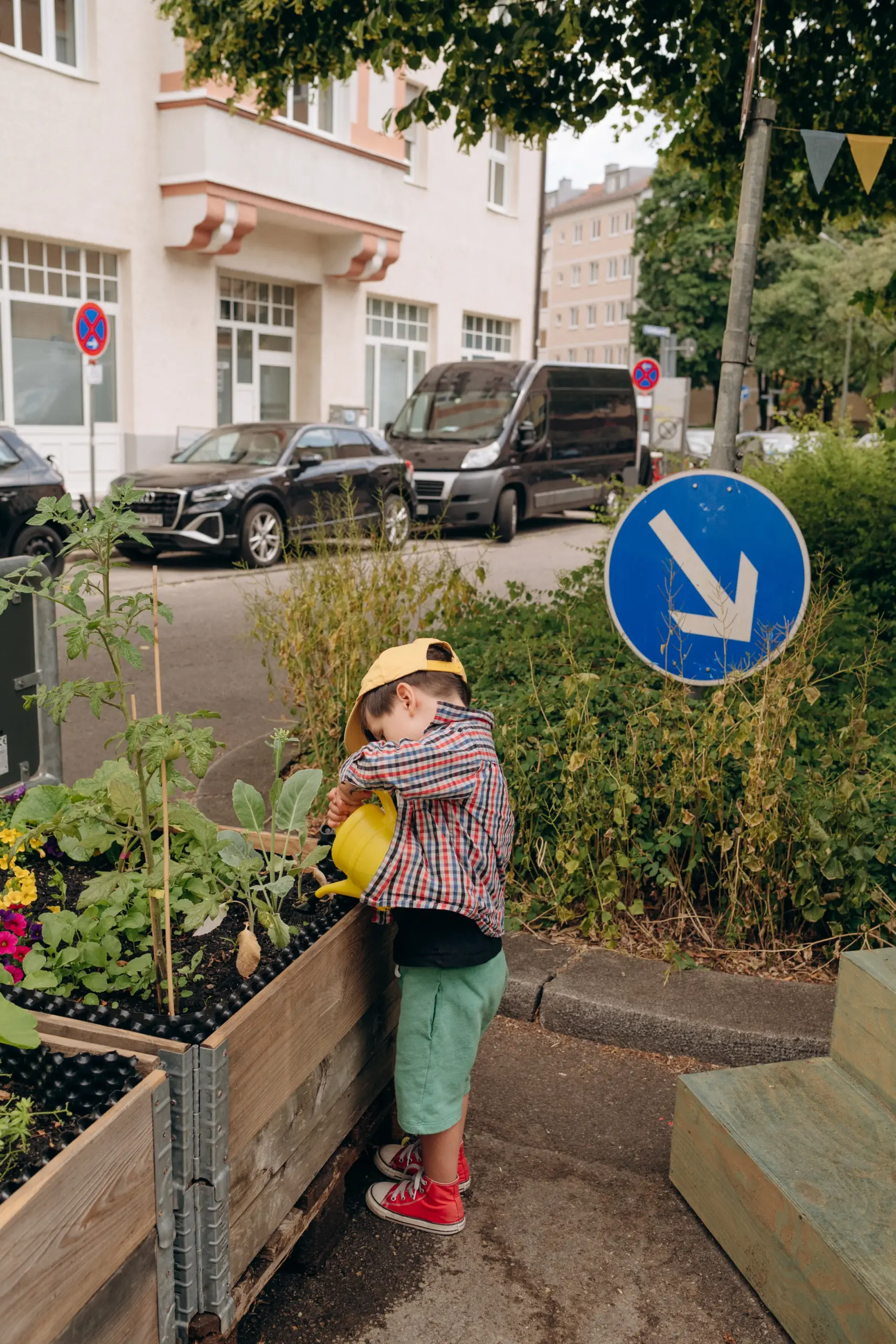
Between concrete and shortness of breath: making cities fit for the future
When summer heat builds up between building facades, when particulate matter, ozone, and pollen accumulate in the air, and tropical nights no longer bring relief, climate change becomes directly palpable in Bavarian cities. Children, the elderly, and chronically ill individuals – those who already require special protection – are particularly affected.
This is where MEDICUS comes in: an interdisciplinary research project that brings together climate modelling, environmental medicine, and urban design to better understand the health consequences of multiple climate-related stressors, develop concrete solutions, and establish new educational formats for urban transformation.
Researchers from LMU Munich, the University Hospital Augsburg (UKA), and the Technical University of Munich (TUM) are working together to precisely simulate future exposure patterns. High-resolution urban climate modelling is linked with large-scale climate scenarios to map heat hotspots, pollen strongholds, and air pollution with high spatial and temporal resolution.
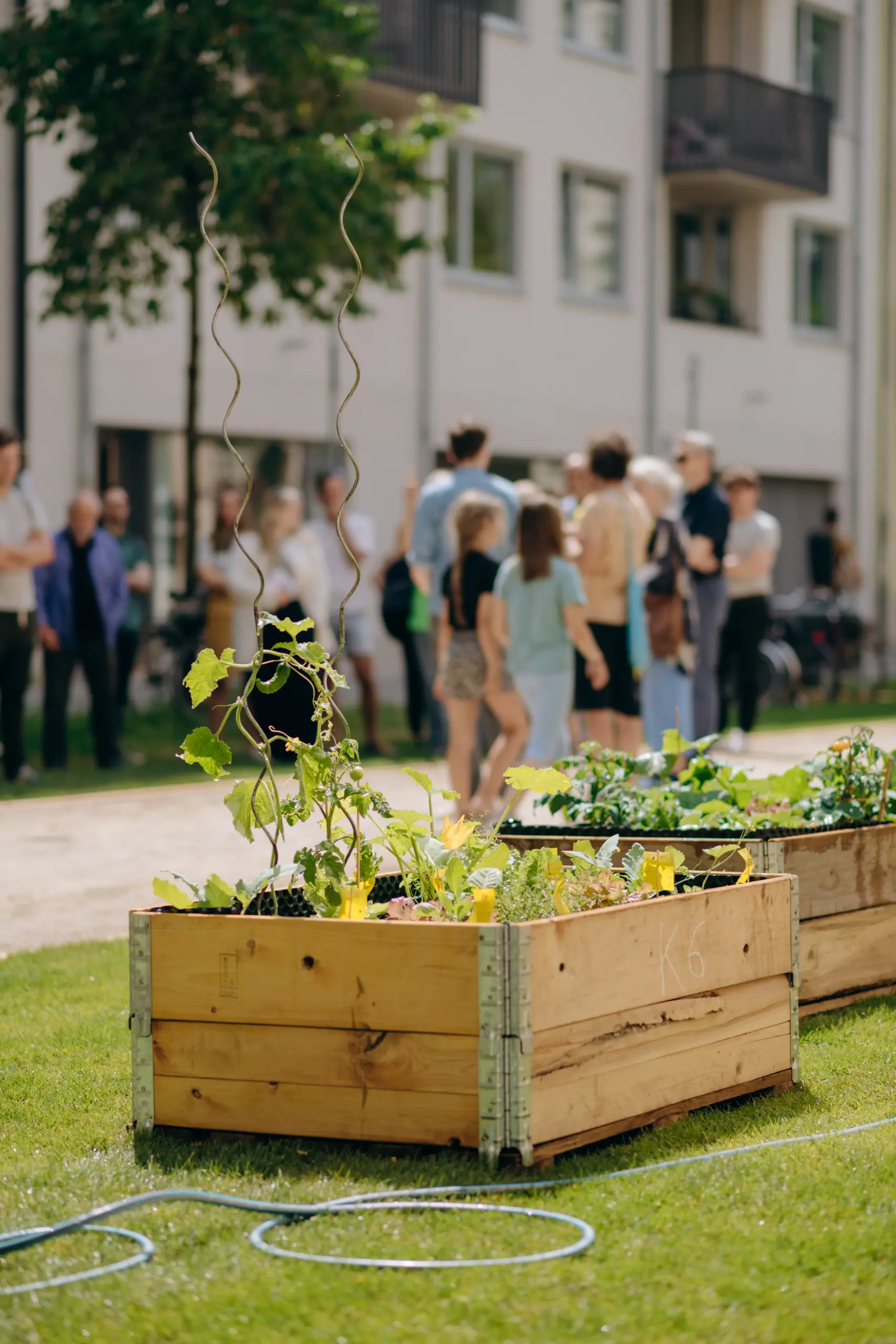
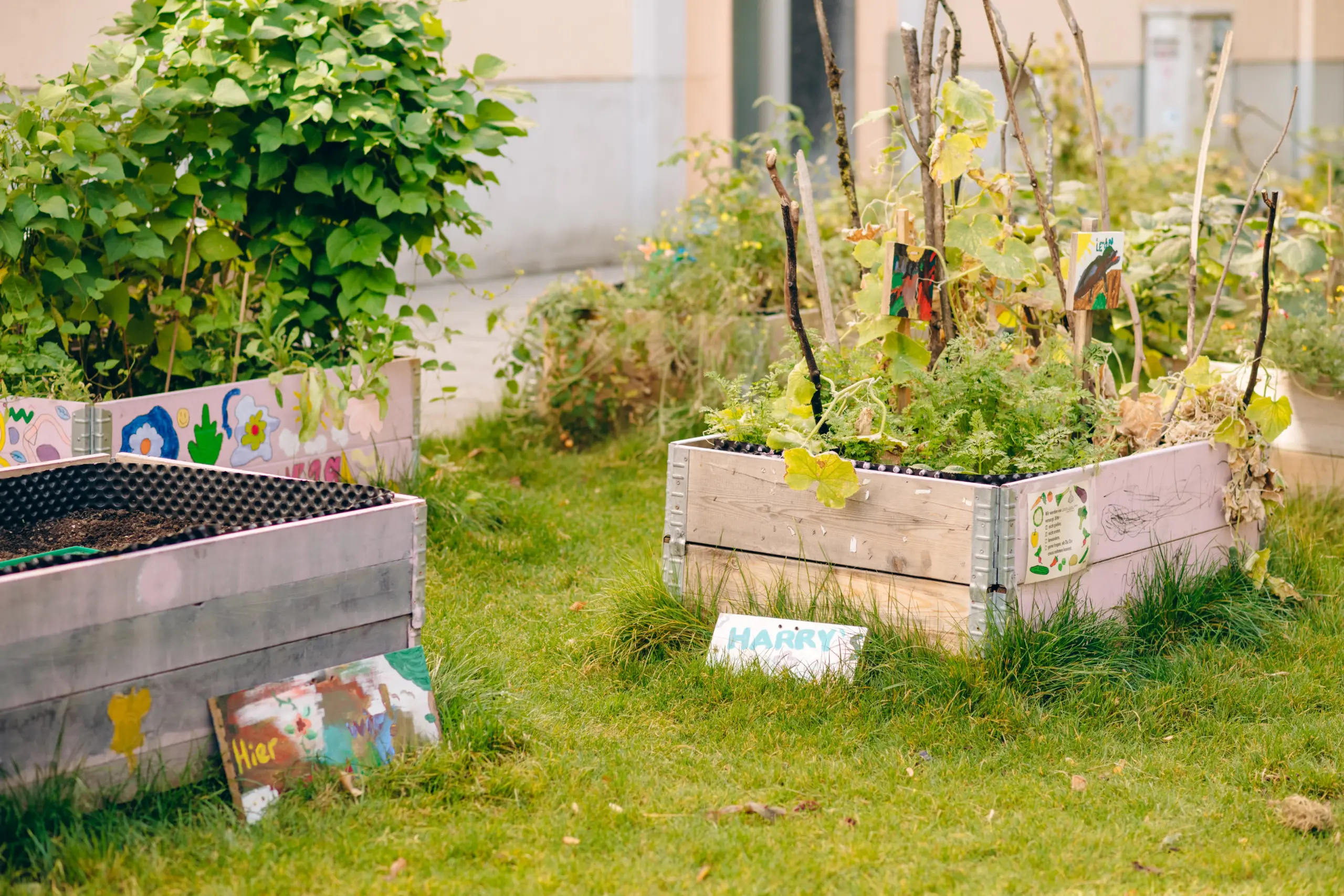
In real-world laboratories at the neighbourhood level in Munich and Augsburg, these findings are further developed together with citizens. Digital tools, such as a resilience app or a serious game, help to raise awareness and convey adaptation strategies. In this way, MEDICUS combines modelling, empirical research, participation, and education, making a central contribution to climate adaptation and health promotion in Bavarian cities. Within the bayklif2 network, MEDICUS thus sets a clear focus on the cross-cutting theme of health and on educational formats to anchor scientific findings in society.
Background
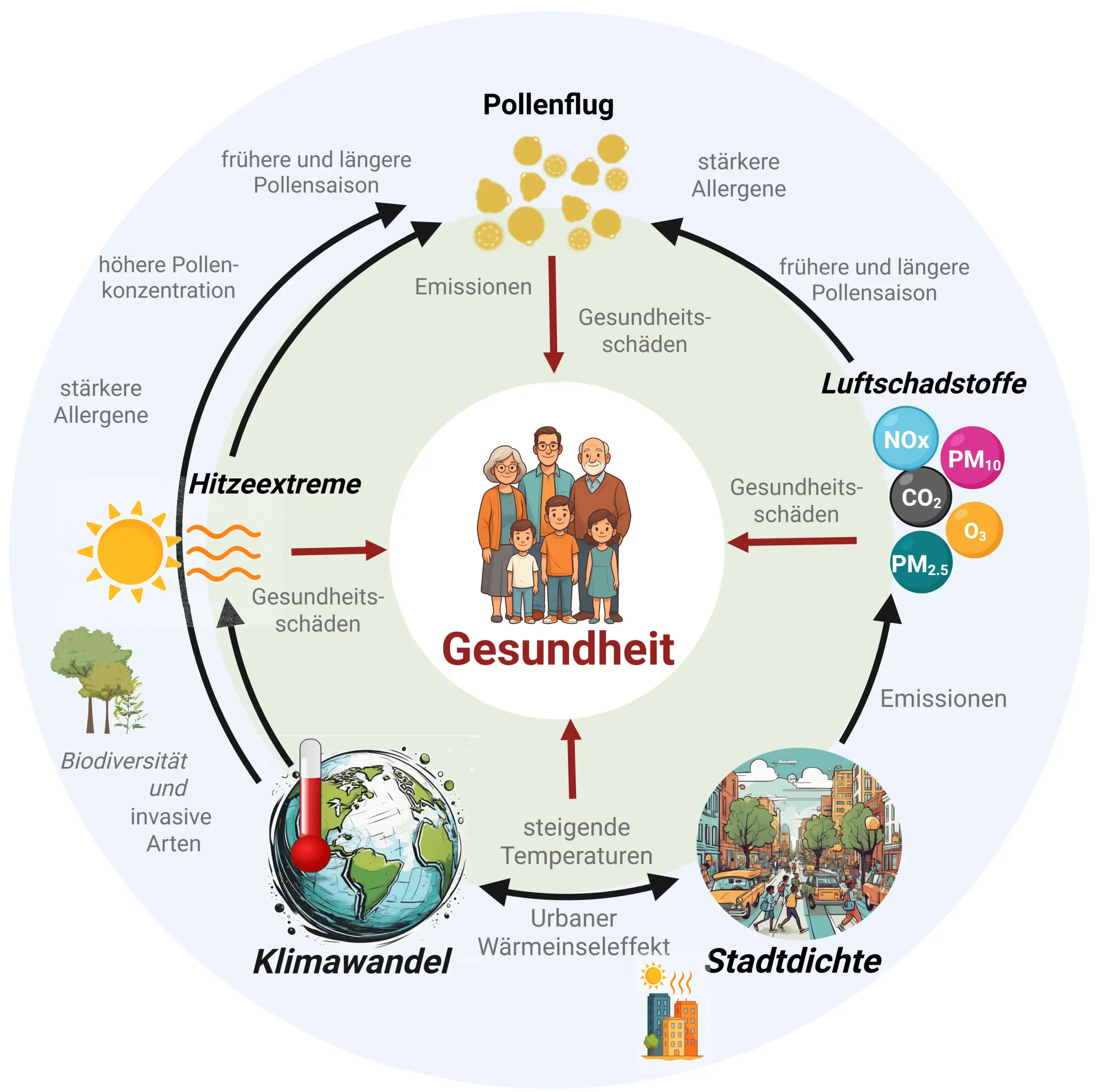
Climate change is considered one of the greatest challenges of the 21st century, and its impacts are particularly evident in urban areas. Extreme heat events are increasing, and the urban heat island effect further intensifies peak temperatures. Concurrently, environmental factors such as air quality and pollen exposure are shifting.
While heat, air pollution, and allergens have frequently been studied separately in the past, they often occur simultaneously in reality and reinforce one another. For instance, a hot, windless high-pressure system can combine the burdens of heat, ozone exposure, and pollen flight. For vulnerable groups, this means an increased risk of cardiovascular and respiratory diseases.
Many Bavarian cities have grown historically and are not designed for these increasing extreme conditions in terms of their built structure. Sealed surfaces, dense development, and a lack of ventilation further exacerbate the burden. This is precisely where a central research need exists: it requires interdisciplinary analyses of multiple stressors and, building upon this, evidence-based strategies that consider climate adaptation, urban planning, and health protection together.
Methods and Goals
MEDICUS pursues an integrated research strategy that systematically connects climate and environmental modelling, environmental medicine, and urban design. The foundation consists of high-resolution urban climate models and large-scale climate simulations, supplemented by AI-supported analyses and hotspot-cluster evaluations. This allows future exposure patterns, such as extreme heat periods combined with high pollen or particulate matter exposure, to be precisely identified.
In parallel, real-world laboratories in Munich and Augsburg utilize participatory formats to help strengthen the awareness of local residents. Together, concrete adaptation measures are developed at the neighbourhood level, systematically translated into educational formats, and evaluated for their effectiveness.
Digital tools, such as a resilience app or serious games, support knowledge transfer and behavioural change. The insights gained are integrated into simulation models to transfer them to other Bavarian cities.
The long-term goal is to develop scientifically sound yet practical solutions that:
- reduce climate-related health risks,
- strengthen urban resilience,
- are translated into innovative educational formats,
- and anchor climate adaptation as a collective societal task.
Tangible Benefits for the Free State of Bavaria
MEDICUS closes a health-relevant research gap: the interplay of multiple climate-related stressors in urban areas. By combining AI-supported modelling, medical expertise, and urban design planning, the project delivers a robust scientific foundation for:
- evidence-based urban planning,
- targeted preventative healthcare,
- municipal climate adaptation strategies.
The developed models and measures are transferable to other Bavarian cities. This creates concrete options for action for municipalities, administration, and policymakers.
Given the widespread impact on the population – particularly vulnerable groups – MEDICUS offers high societal utility. It strengthens the resilience of urban spaces and actively contributes to health promotion in times of climate change.
Potential Synergies Within bayklif2
MEDICUS is closely integrated into scientific, municipal, and civil society networks. The project brings expertise from climate research, medicine, urban planning, and education into the bayklif2 consortium and actively promotes new networking approaches.
Cooperations with municipalities, educational institutions, initiatives, and citizens’ associations ensure the transfer of results into practice. At the same time, the insights gained flow into educational formats in the sense of Education for Sustainable Development, specifically education for urban transformation.
In this way, something greater than a research project is created: MEDICUS becomes a platform for exchange, transformation, and collective learning. The vision is clear: healthy cities for a changing climate – scientifically grounded, participatorily developed, and sustainably anchored.
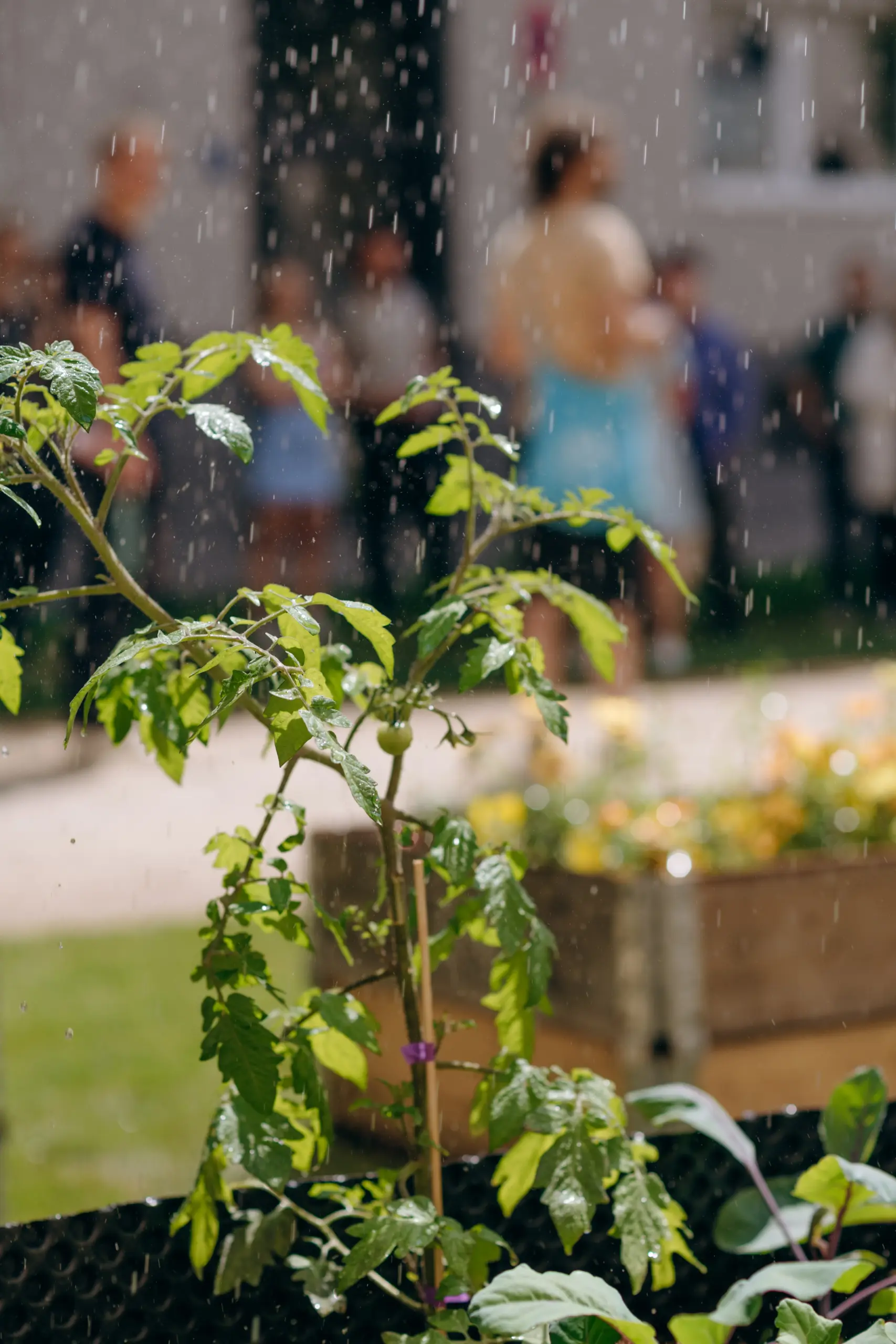
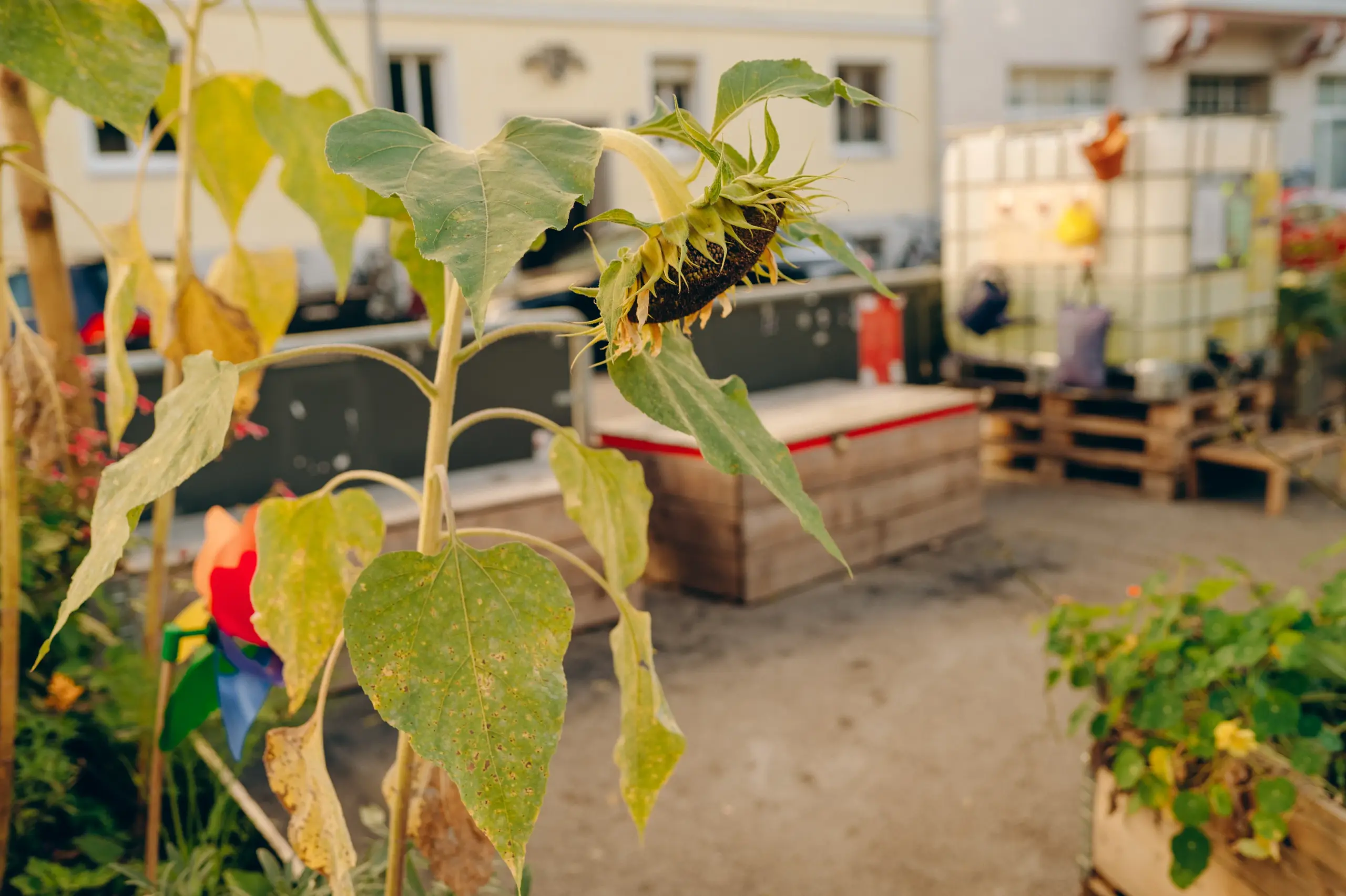
Allergenität von Pflanzen, mit weitreichenden
gesundheitlichen Folgen. Foto: MCube / V. Zayika.
The team of MEDICUS
Principal Investigator
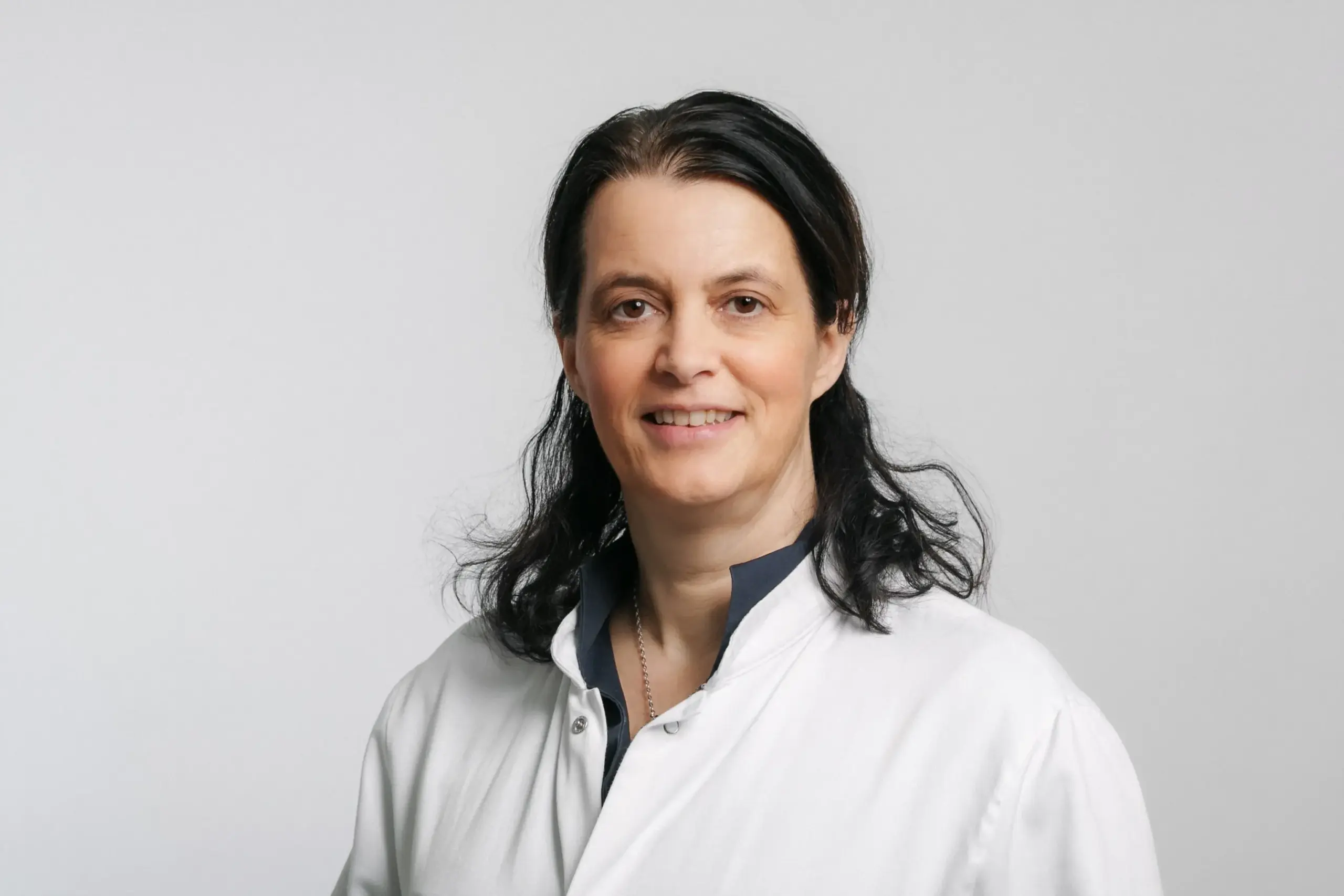
Prof. Dr. med. Claudia Traidl-Hoffmann
University of Augsburg
University Hospital Augsburg (UKA)
Institute of Environmental Medicine and Integrative Health (EMIH)

Scientific Assistence
Dr. Ing. Maria P. Plaza
Dr. Matthias Reiger
Isabel Auer, M.Sc.
Principal Investigator
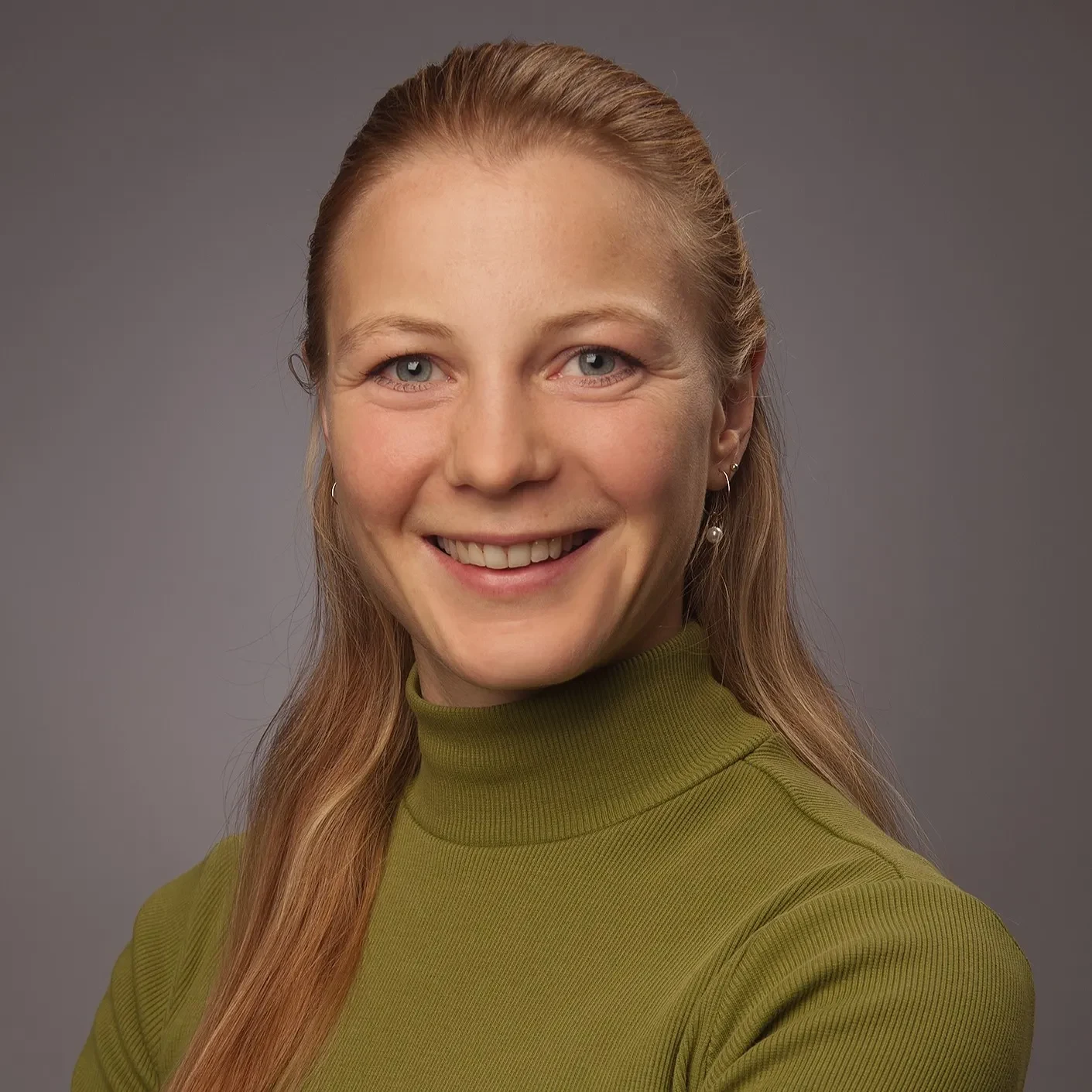
Dr. Magdalena Mittermeier
Ludwig-Maximilians-University Munich
Department of Geography
Physical Geography and Environmental Modelling
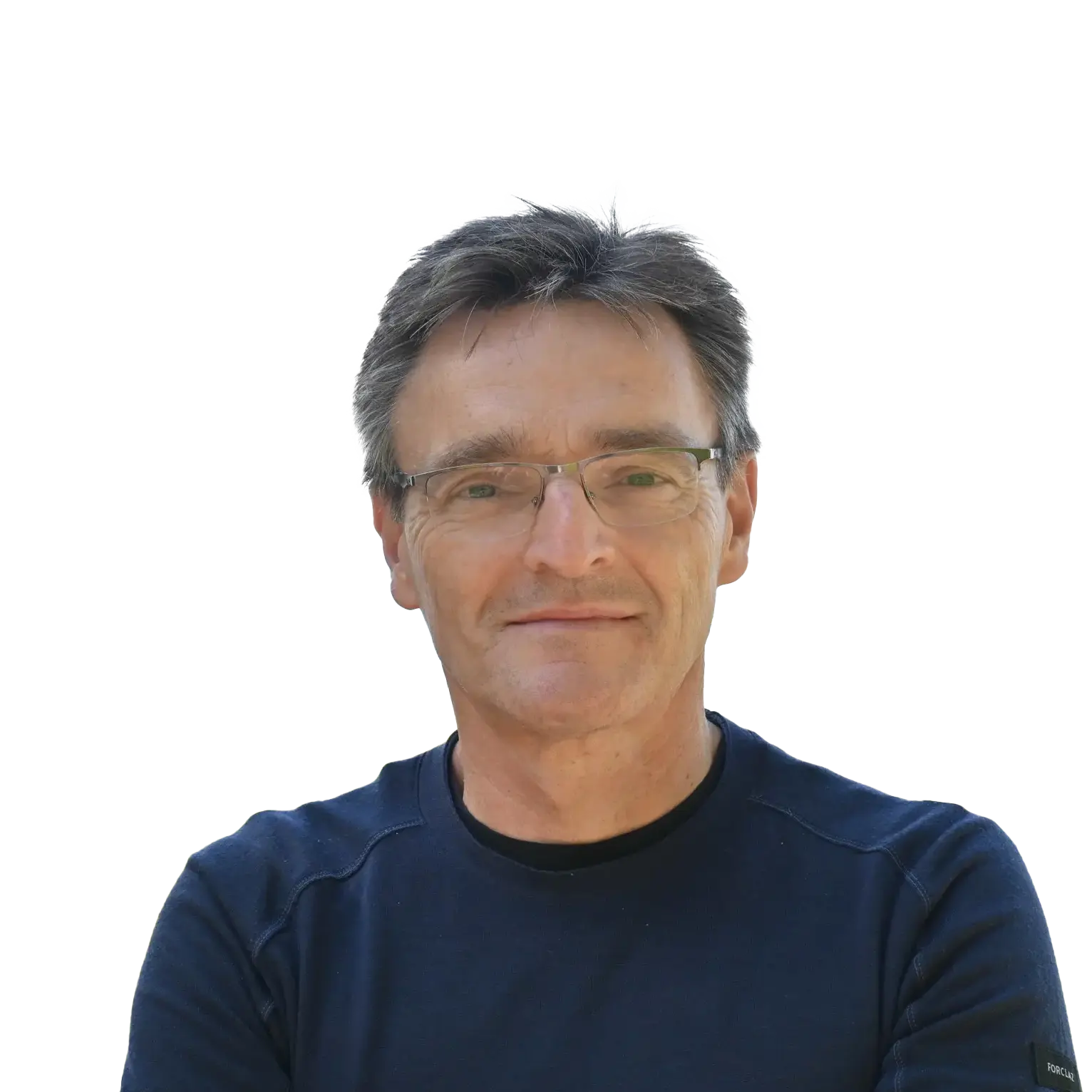
Prof. Dr. Ralf Ludwig
Ludwig-Maximilians-University Munich
Department of Geography
Applied Physical Geography
Scientific Assistence
Dr. Katrin Geneuss
Dr. Sergi Ventura Caballé
Marianne Pfaffinger, M.Sc.
Principal Investigator
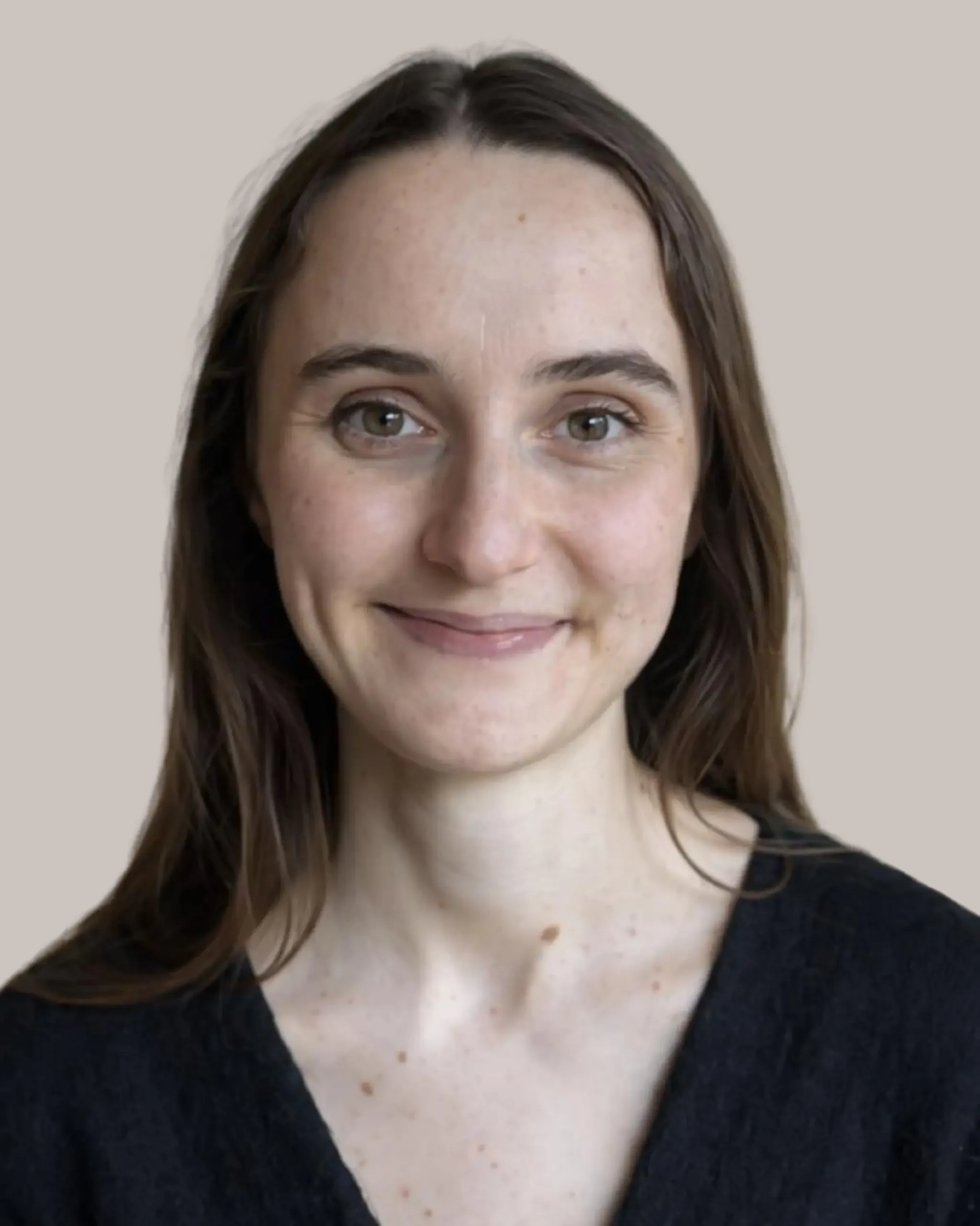
Dr. Stefanie Ruf
Technical University of Munich (TUM)
School of Engineering and Design
Urban Design
Scientific Assistence
Mahtab Baghaiepoor, M.Sc.
Prof. Dr. Benedikt Boucsein