
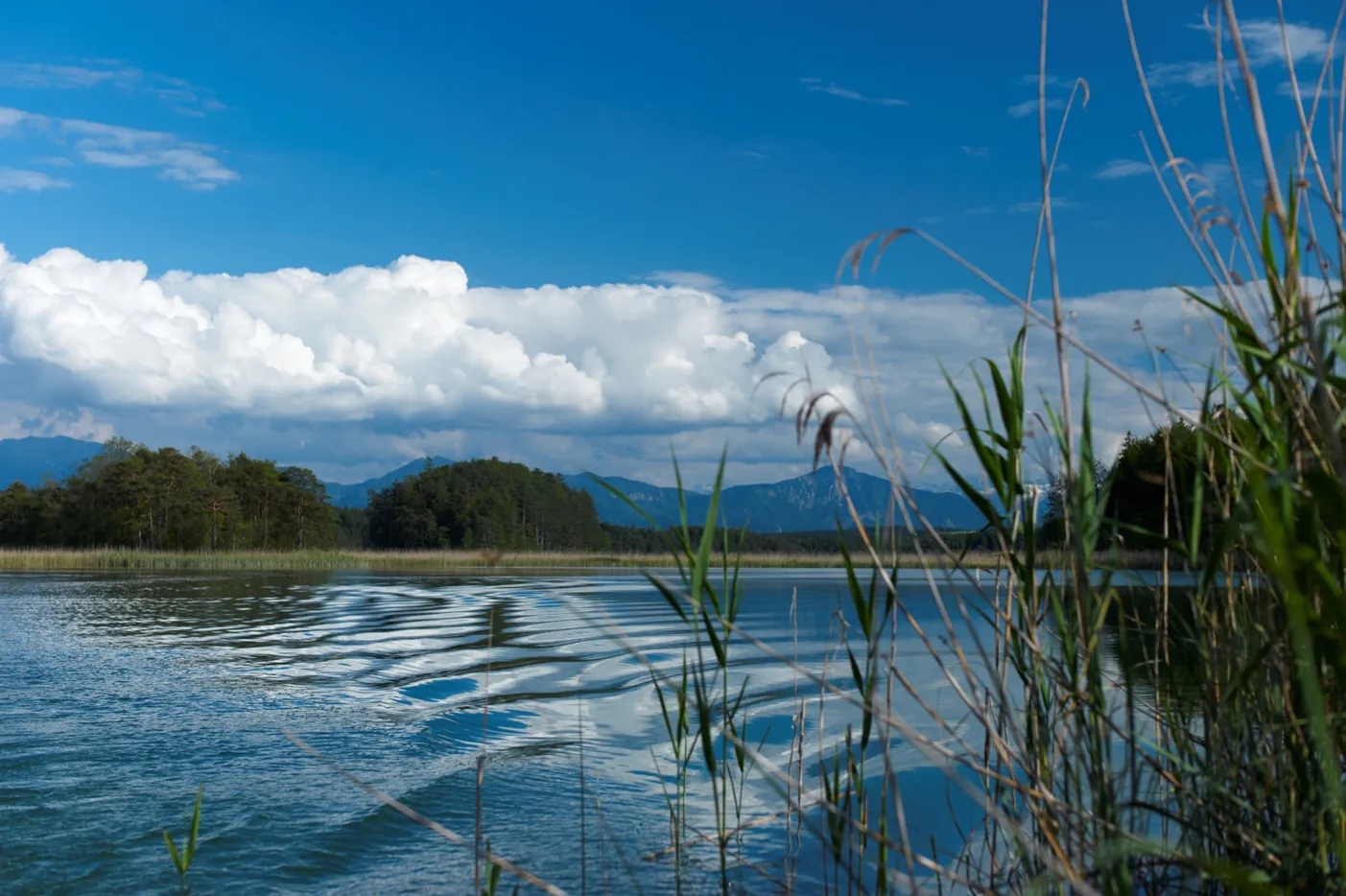
Robotik und genetisches Monitoring zur Frühdiagnose der Biodiversität bayerischer Seen
Bayerns Seen sind sensible Ökosysteme – und sie verändern sich. Die Biodiversität in Süßwasserökosystemen geht zurück, während steigende Temperaturen, Nährstoffeinträge und Extremwetterereignisse zusätzliche Belastungen schaffen. Gleichzeitig fehlt es in der Gewässerüberwachung häufig an Möglichkeiten, genetische Vielfalt schnell, zuverlässig und mit hoher räumlicher sowie zeitlicher Auflösung zu erfassen.
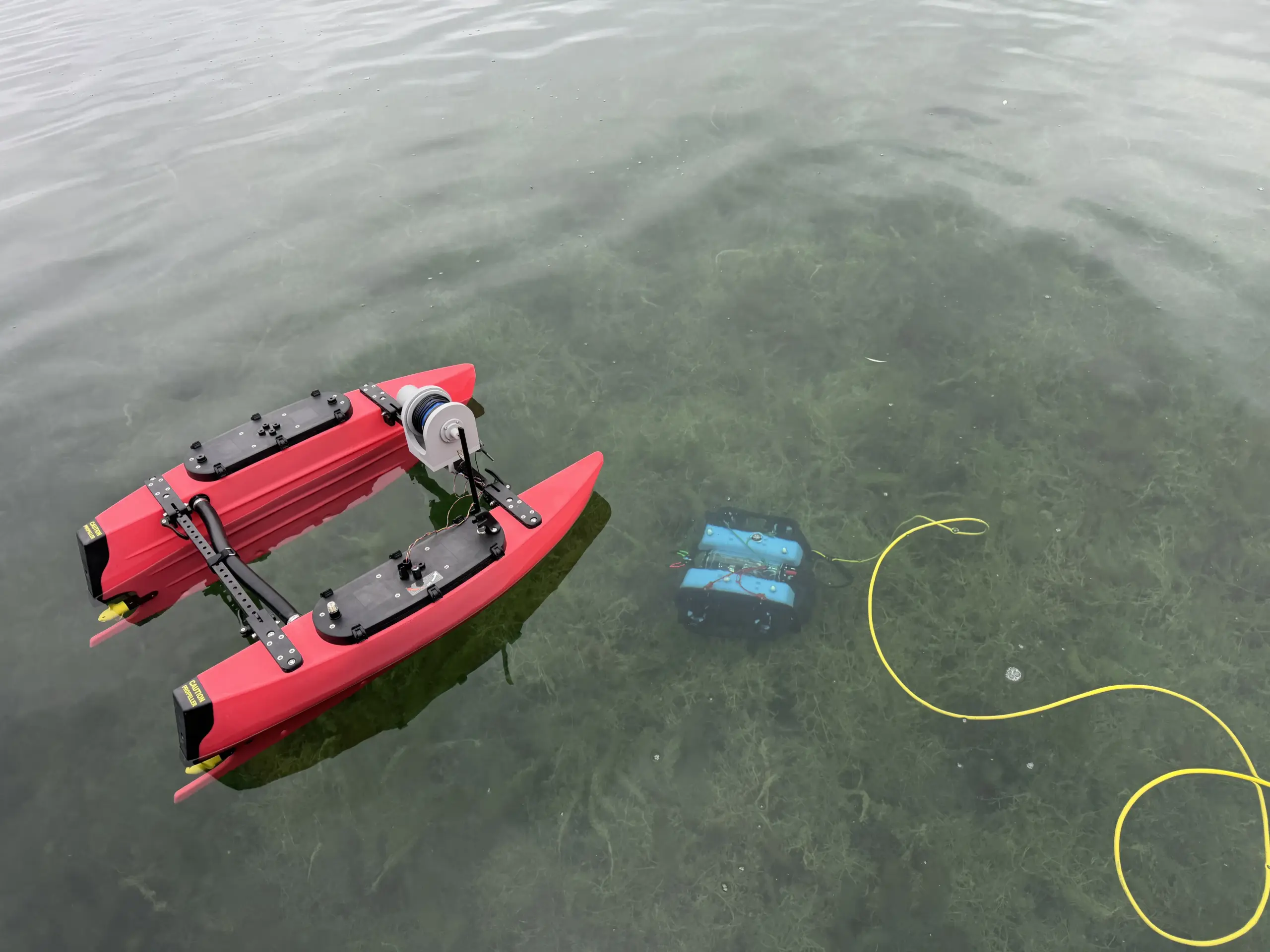
Hier setzt ecoBay an: Das Projekt entwickelt einen schwimmenden autonomen Roboter, der das genetische Biodiversitätsmonitoring revolutioniert. Der Roboter fährt definierte Mess- und Beprobungsstellen wiederholbar an, erhebt kontinuierlich limnologische Parameter wie Temperatur und Sauerstoffgehalt und entnimmt Wasserproben für Umwelt-DNA und Umwelt-RNA (eDNA/eRNA). Eine KI-gestützte adaptive Missionsplanung entscheidet dabei in Echtzeit, welche Messstellen besonders aussagekräftig sind. So entsteht ein intelligentes, lernendes Monitoring-System.
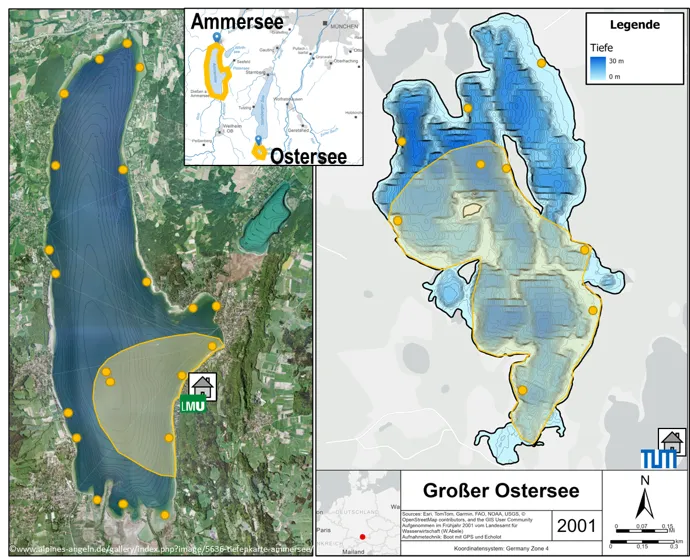
Aus Genom- und Transkriptomdaten werden Artenspektren, funktionale Aktivität und genetische Indikatoren der See-Gesundheit abgeleitet. Diese Informationen werden mit Wasserqualitätsdaten verknüpft und in prädiktive Modelle überführt. Erprobt wird ecoBay an zwei bayerischen Modellseen – dem Ammersee und dem Großen Ostersee. Als Projekt im bayklif2-Verbund stärkt ecoBay die Schwerpunkte Wasser, Biodiversität und Ökosystemgesundheit – und liefert standardisierte Daten sowie Workflows für Forschung, Behörden und weitere Stakeholder.
Hintergrund
Der Rückgang der Süßwasserbiodiversität ist kein fernes Problem – er betrifft auch Bayern unmittelbar. Seen reagieren sensibel auf klimatische Veränderungen, Nährstoffeinträge und hydrologische Schwankungen. Für ein wirksames Management braucht es belastbare, zeitnah verfügbare Daten. Doch klassisches Biomonitoring ist häufig Handarbeit: zeitaufwendig, personalintensiv und nur punktuell. Die genetische Vielfalt eines Sees bleibt dabei meist unsichtbar.
Verfahren auf Basis von eDNA und eRNA eröffnen neue Möglichkeiten. Mit ihnen lassen sich Arten – auch seltene oder schwer nachweisbare – umfassend erfassen. Zudem geben sie Hinweise auf funktionale Aktivität und den physiologischen Zustand von Organismen. In der Praxis fehlen jedoch bislang standardisierte, automatisierte Systeme, die genetische Analysen mit kontinuierlicher Wasserqualitätsmessung und räumlich adaptiver Probenahme verbinden.
ecoBay baut auf etablierten eDNA/eRNA-Protokollen (als environmental DNA bzw. RNA bezeichnet man genetisches Material, das Organismen in ihrer Umgebung hinterlassen, zum Beispiel in Wasser, Boden oder Luft), Autosampler- und Environmental-Sample-Processor-Konzepten sowie ersten Experimenten mit einem Roboter-Prototyp auf. Die Nähe zu den Forschungsstationen Wartaweil (LMU / Ammersee) und Iffeldorf (TUM / Großer Ostersee) ermöglicht intensive Vorstudien und realitätsnahe Feldtests. Was bislang fehlt, ist eine robuste, feldtaugliche und vollständig integrierte Plattform, die auch ohne spezielle Robotik-Expertise einsetzbar ist – genau diese Lücke schließt ecoBay.
Methoden und Ziele
ecoBay verfolgt einen klar strukturierten, zweistufigen Ansatz:
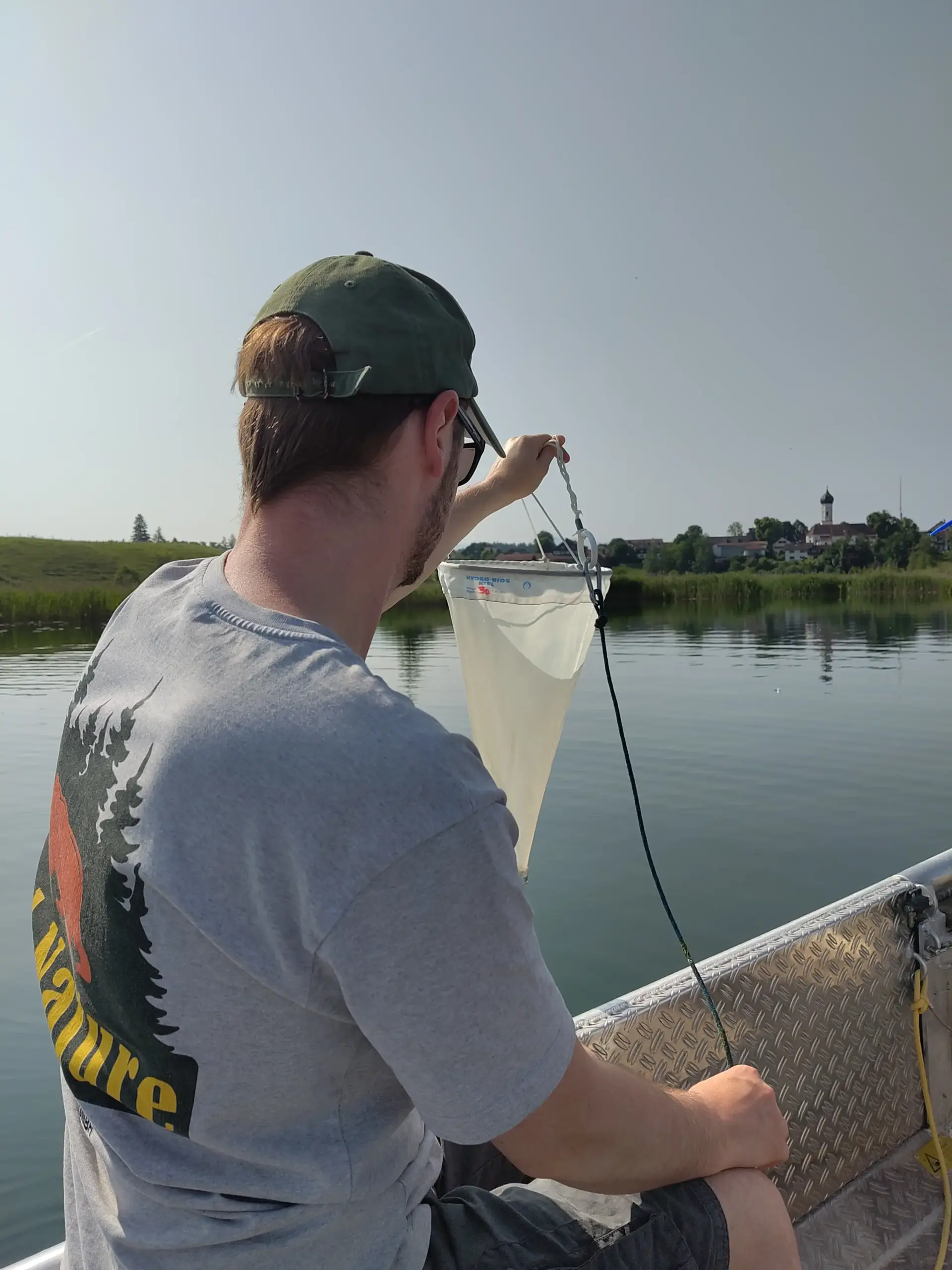
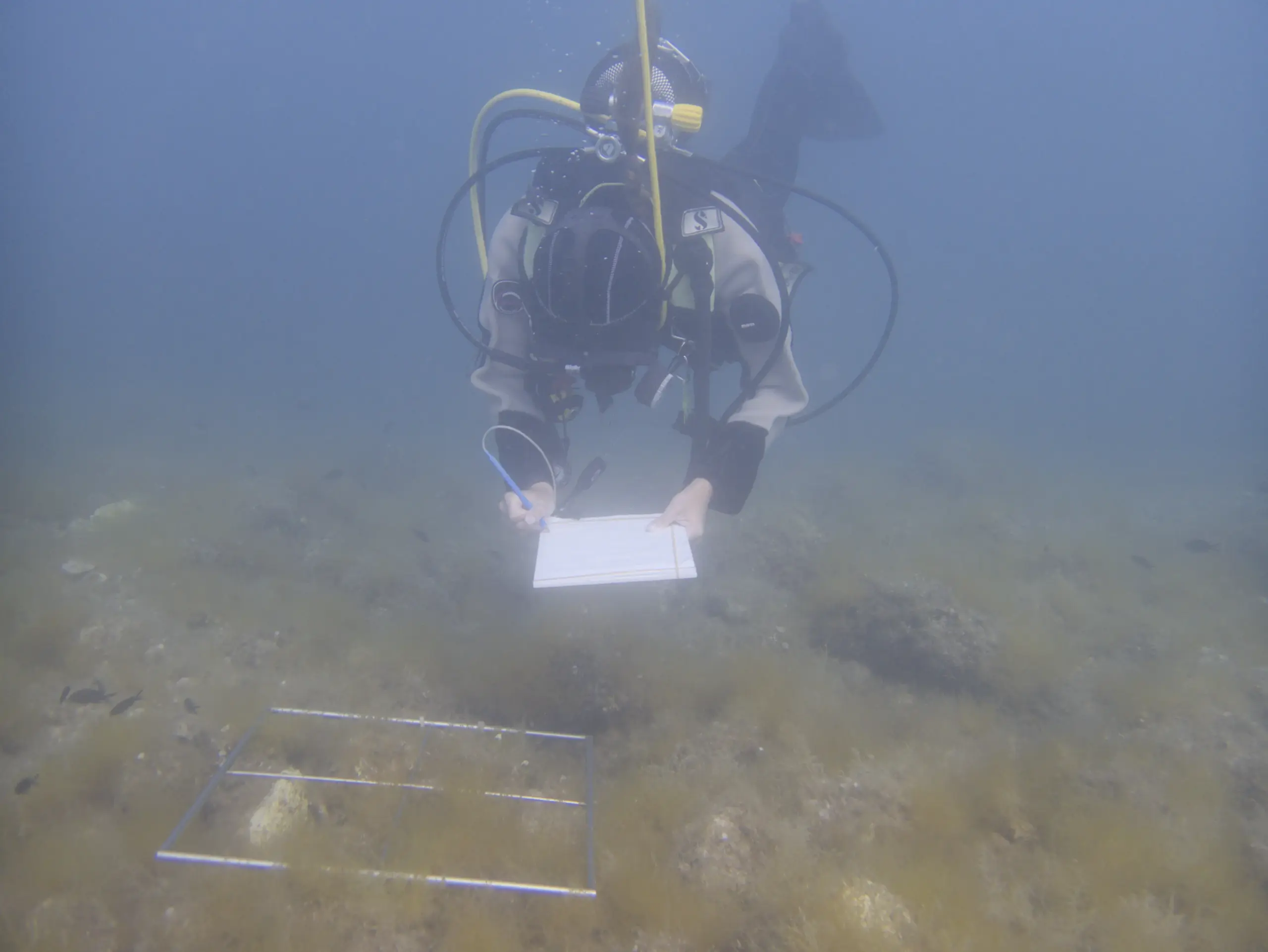
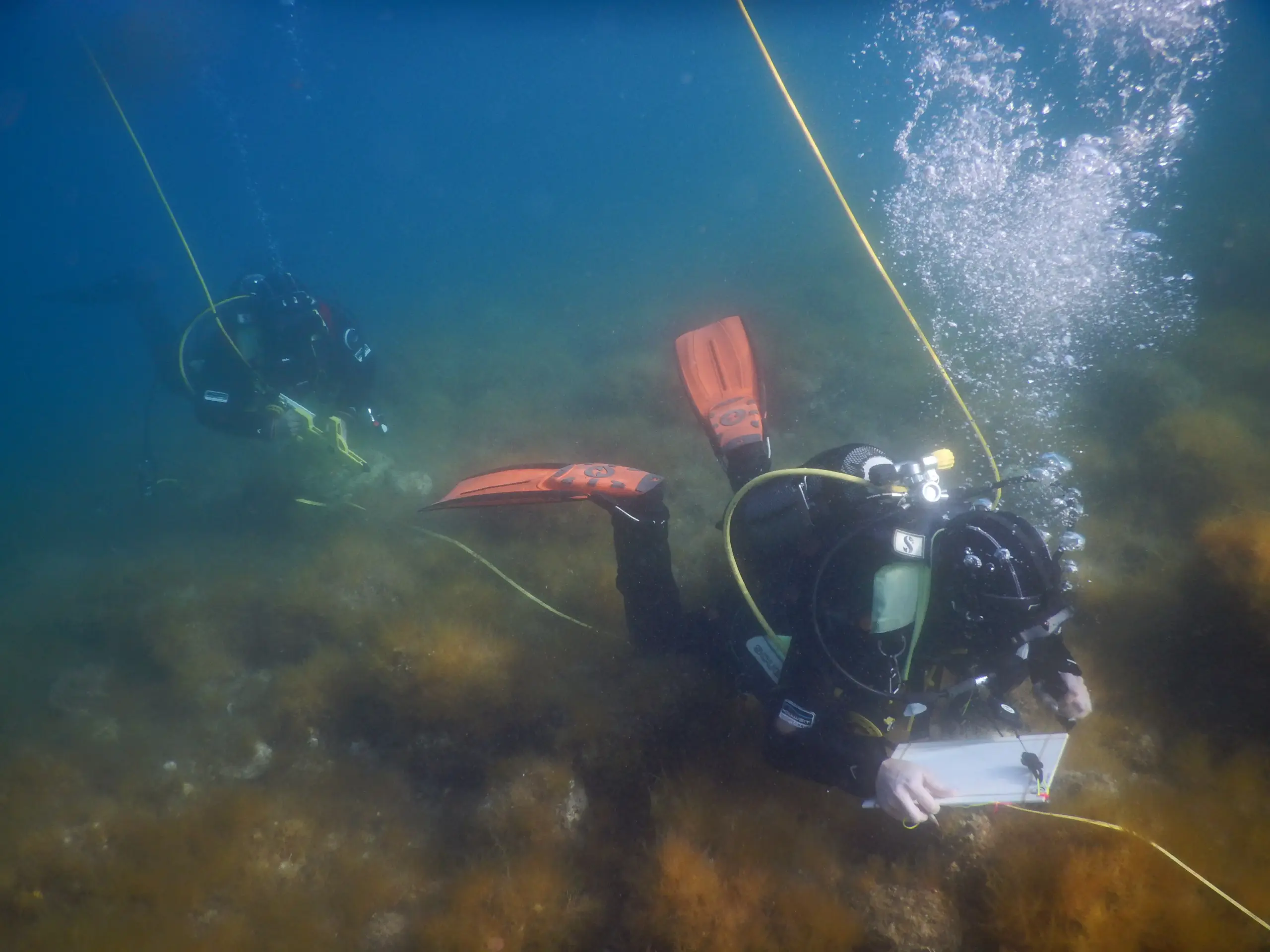
- Aufbau einer Referenzbasis: In den beiden Modellseen werden hochauflösende Unterwasserkarten erstellt sowie Referenz- und Trainingsdaten zu Lebensräumen, Wasserqualität und genetischer Vielfalt erhoben. Ein statisches Messfeld dient als Vergleichssystem. Standardisierte eDNA/eRNA-Protokolle sichern die Vergleichbarkeit.
- Development und Validierung des autonomen Systems: Darauf aufbauend wird das autonome Monitoring-System entwickelt, getestet und gegen manuelle Referenzdaten validiert.
Wasser- und Sedimentproben werden metagenomisch und metatranskriptomisch analysiert, das heißt: Man analysiert die gesamte DNA und RNA aller Organismen in einer Wasserprobe. Diese Daten werden mit kontinuierlicher Sensorik, wie etwa Temperatur, Sauerstoff, pH-Wert und Nährstoffen gekoppelt. Der Roboter wählt mithilfe künstlicher Intelligenz adaptive Messpunkte aus und optimiert seine Missionsplanung dynamisch. Ziel ist die Entwicklung genetischer Indikatoren der See-Gesundheit sowie prädiktiver Modelle, die Veränderungen frühzeitig erkennen . ecoBay schafft damit eine behördentaugliche, skalierbare Frühwarn- und Monitoringlösung für bayerische Seen.
Konkreter Nutzen für den Freistaat Bayern
ecoBay legt die Grundlage für ein modernes, zukunftsfähiges Monitoring der Gesundheit bayerischer Seen. Durch kontinuierliche Messungen zentraler limnologischer Parameter und genetische Analysen mittels eDNA/eRNA entstehen hochaufgelöste Informationen zu Biodiversität und Gewässergüte – räumlich differenziert und zeitlich engmaschig.
Dies unterstützt Behörden bei:
- der Umsetzung des Wasserpakts Bayern,
- der Erfüllung der Europäischen Wasserrahmenrichtlinie,
- der Erreichung von Biodiversitätszielen zur Erhaltung genetischer Vielfalt.
Maßnahmen können gezielter priorisiert und ihre Wirkung besser bewertet werden. Durch Automatisierung und KI-gestützte Auswahl besonders aussagekräftiger Messstellen entlastet ecoBay knappe personelle Ressourcen („free heads and hands“ für strategische Aufgaben). Das Plattformkonzept ist skalierbar und auf weitere Seen in Bayern sowie darüber hinaus übertragbar. Damit entsteht ein Baustein für ein flächendeckendes, modernes Gewässermonitoring.
Mögliche Synergien innerhalb von bayklif2
ecoBay ist eng in das bayklif2-Netzwerk eingebunden und stärkt den Verbund durch standardisierte Daten, Workflows und „Best Practices“ aus dem Feld – von Genehmigungsprozessen über Logistik bis hin zur Qualitätssicherung. Limnologische Zeitreihen, Habitatkarten sowie eDNA/eRNA-Daten werden nach FAIR-Prinzipien über die bayklif2-Datenplattform und NFDI4Biodiversity bereitgestellt. Zentrale Softwarekomponenten sollen nach erfolgreicher Validierung als Open Source veröffentlicht werden.
Für Austausch und Sichtbarkeit organisiert ecoBay:
- den Netzwerk-Workshop „Best Practices – Vom Labor ins Freiland“,
- eine Sonderausstellung im Museum Mensch und Natur in München,
- Dialogformate mit Behörden und Stakeholdern (Kick-off, Feld-Demonstration, Anwendernachweis).
So wird der Transfer in Praxis und Verwaltung aktiv begleitet. Langfristig kann ecoBay als Modul in bestehende Monitoringprogramme integriert und in weiteren Seen eingesetzt werden . ecoBay erzählt damit die Geschichte eines technologischen Aufbruchs: Ein autonomer Roboter auf Bayerns Seen, der genetische Vielfalt sichtbar macht – und damit eine neue Grundlage schafft, um Gewässer nachhaltig zu schützen.
Das Team von ecoBay
Projektleitung
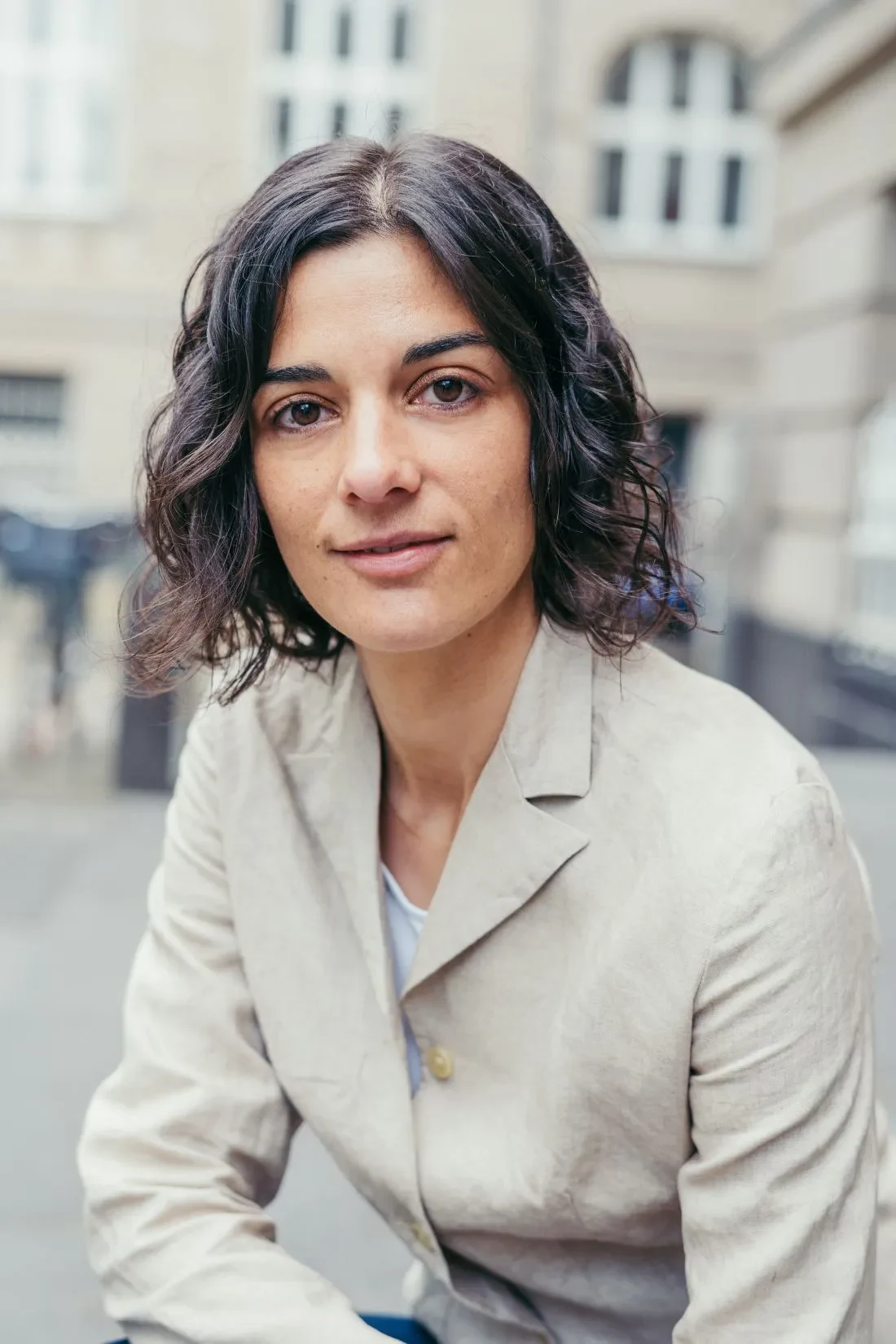
Prof. Dr. Ann-Marie Waldvogel
Technische Universität München
School of Life Sciences
Global Change Limnology

Projektleitung
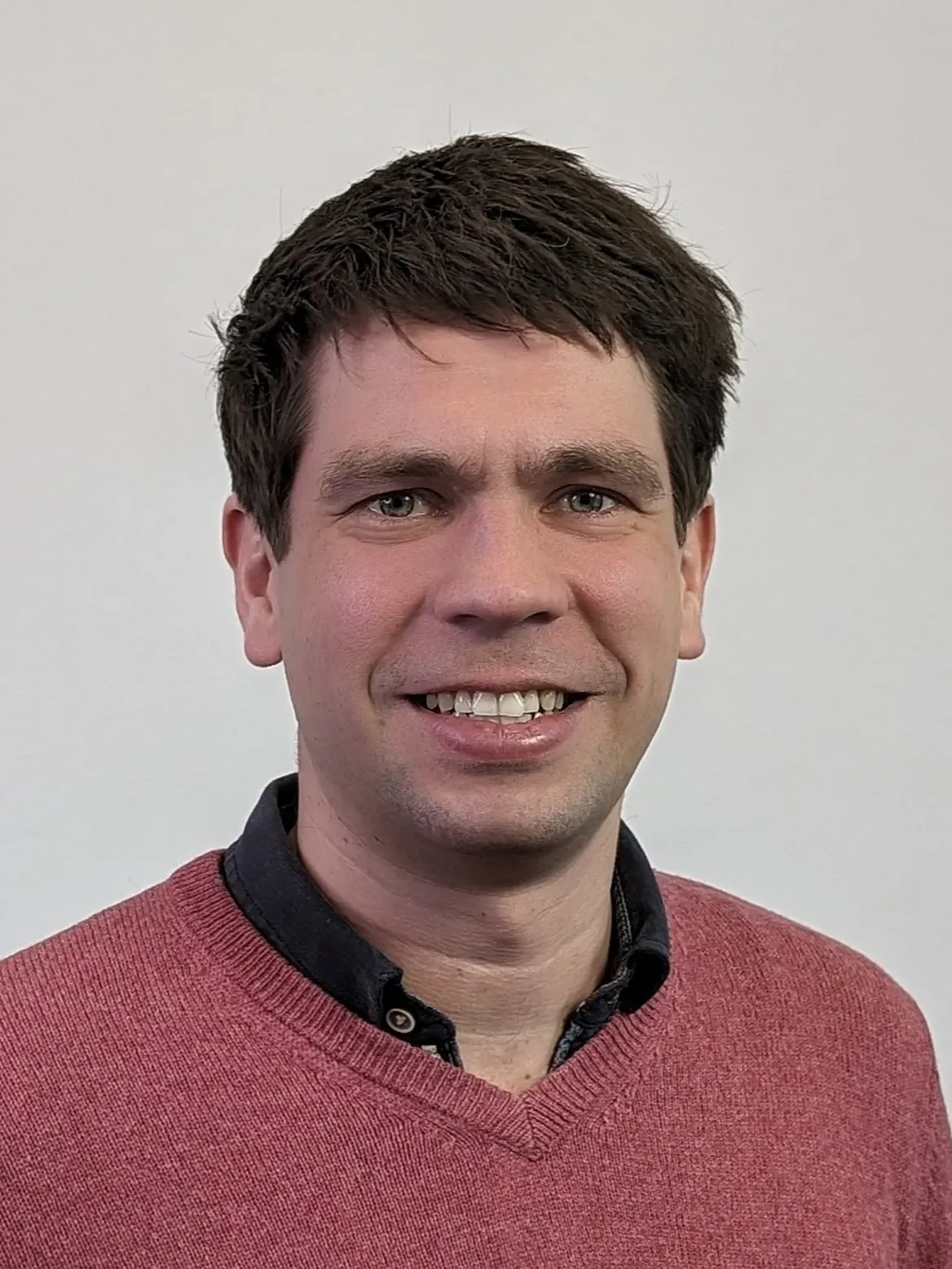
Dr.-Ing. Daniel-André Dücker
Technische Universität München
Munich Institute of Robotics and Machine Intelligence (MIRMI)
Environmental Robotics Group
Projektleitung

Dr.-Ing. Stefan Sosnowski
Technische Universität München
Munich Institute of Robotics and Machine Intelligence (MIRMI)
Information Oriented Control
Projektleitung
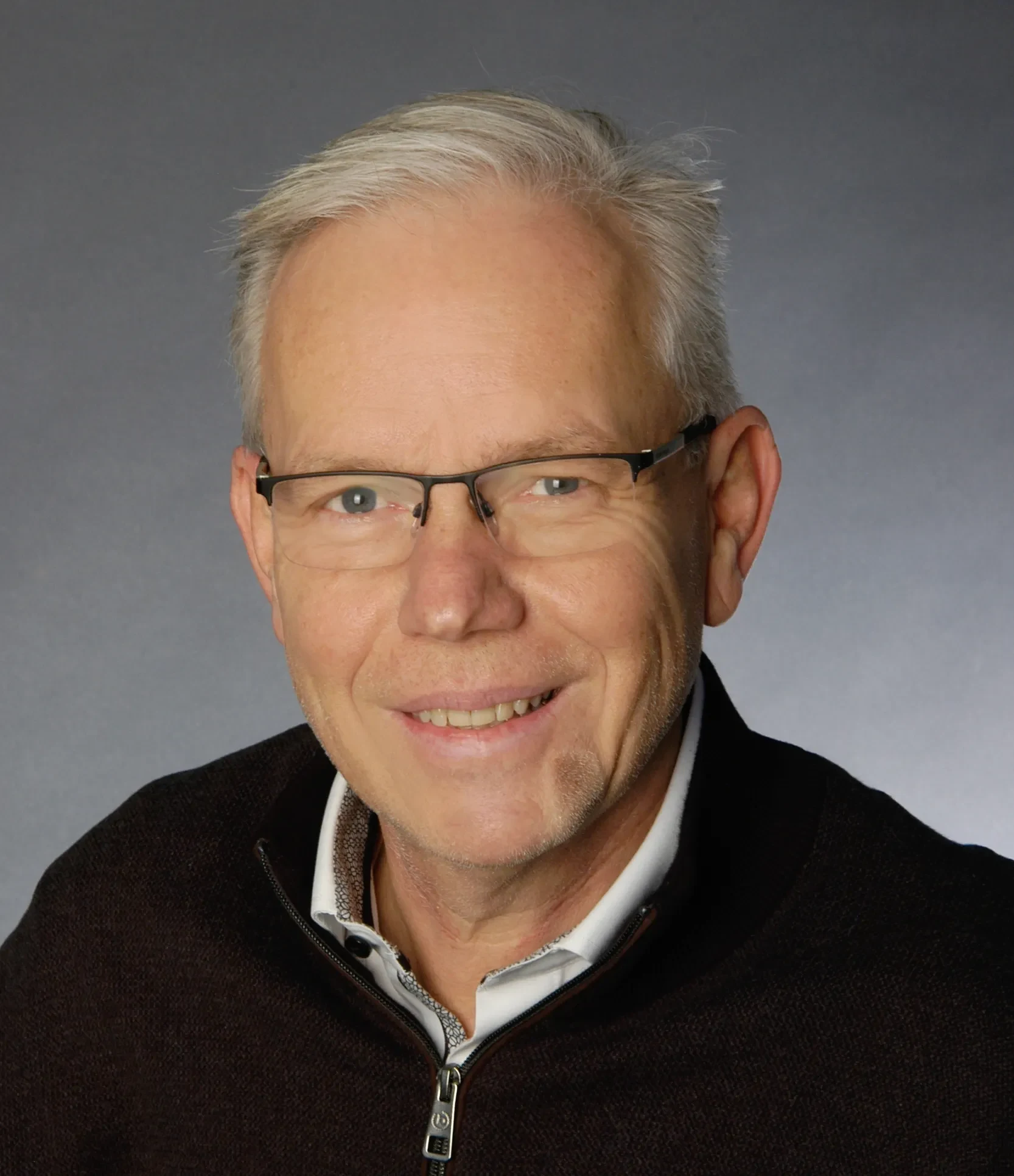
Prof. Dr. Gert Wörheide
Ludwig-Maximilians-Universität München
Department für Geo- und Umweltwissenschaften
Paläontologie & Geobiologie