
Robotics and Genetic Monitoring for Early Diagnosis of Biodiversity in Bavarian Lakes
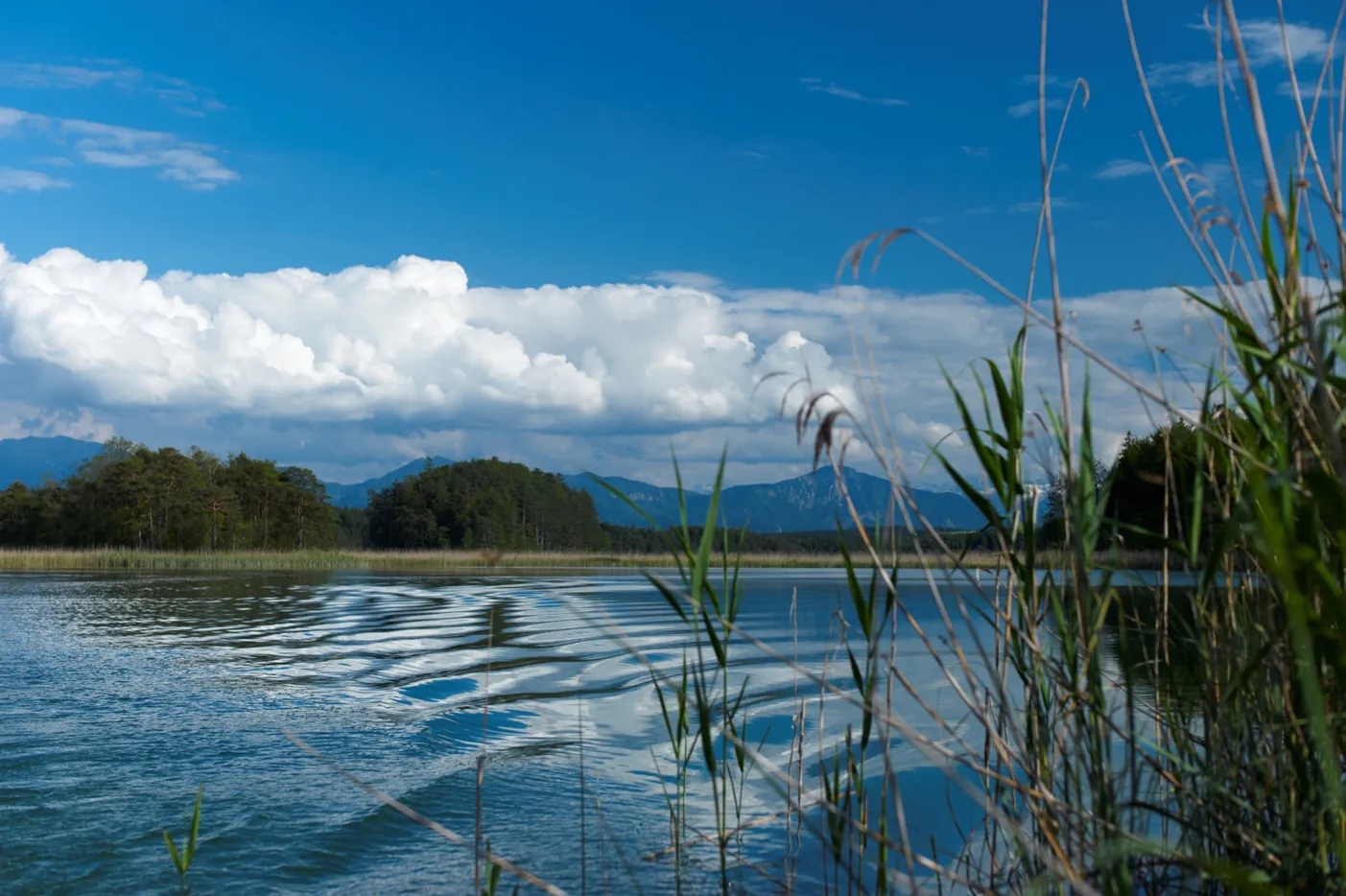
Bavaria’s lakes are sensitive ecosystems – and they are changing. Biodiversity in freshwater ecosystems is declining, while rising temperatures, nutrient inputs, and extreme weather events create additional pressures. At the same time, water monitoring often lacks the capacity to record genetic diversity quickly, reliably, and with high spatial and temporal resolution.
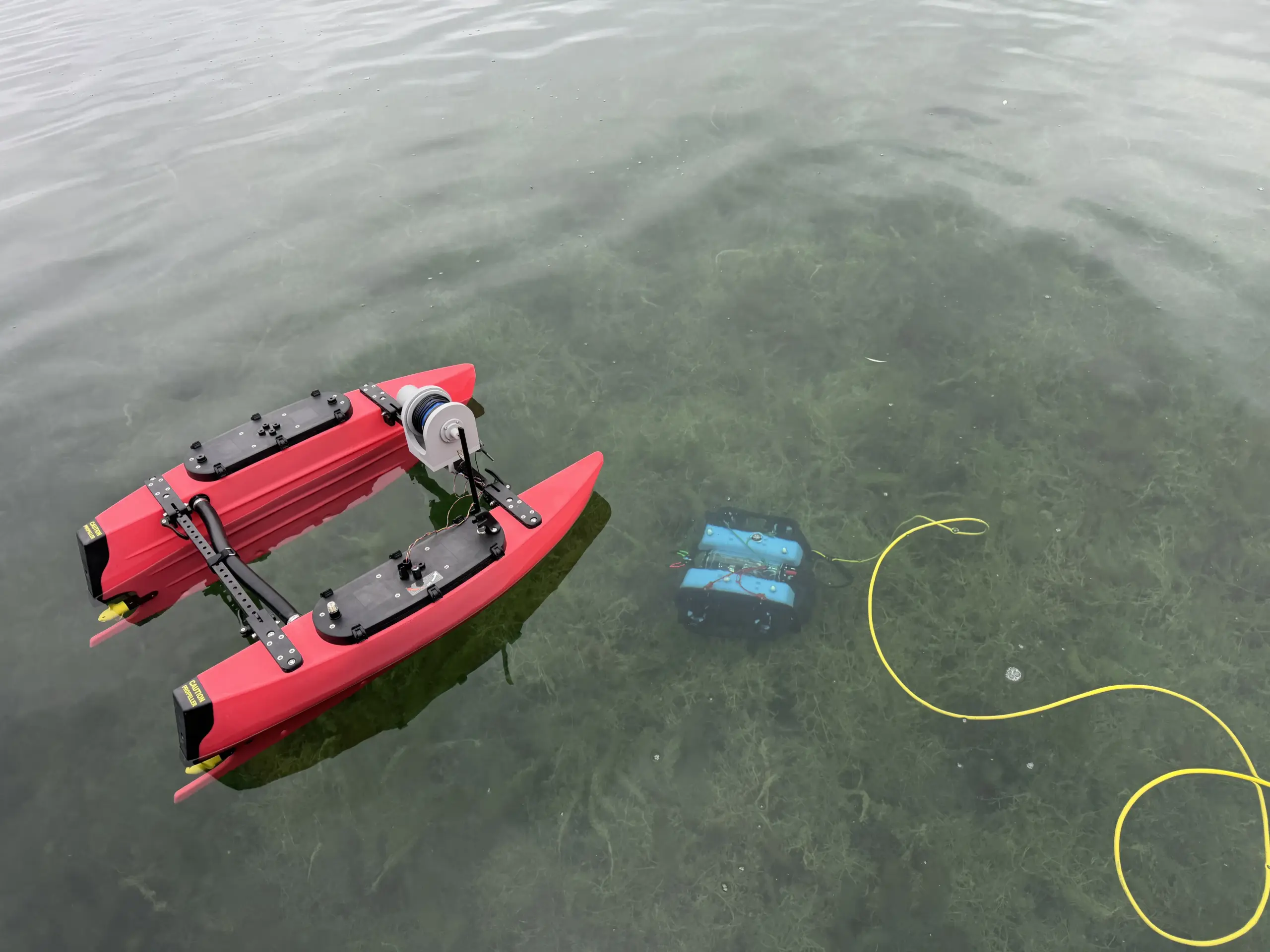
This is where ecoBay comes in: The project is developing a floating autonomous robot that revolutionises genetic biodiversity monitoring. The robot repeatedly visits defined measurement and sampling sites, continuously records limnological parameters such as temperature and oxygen content, and takes water samples for environmental DNA and environmental RNA (eDNA/eRNA). An AI-supported adaptive mission planning system decides in real time which sampling sites are particularly informative. The result is an intelligent, learning monitoring system.
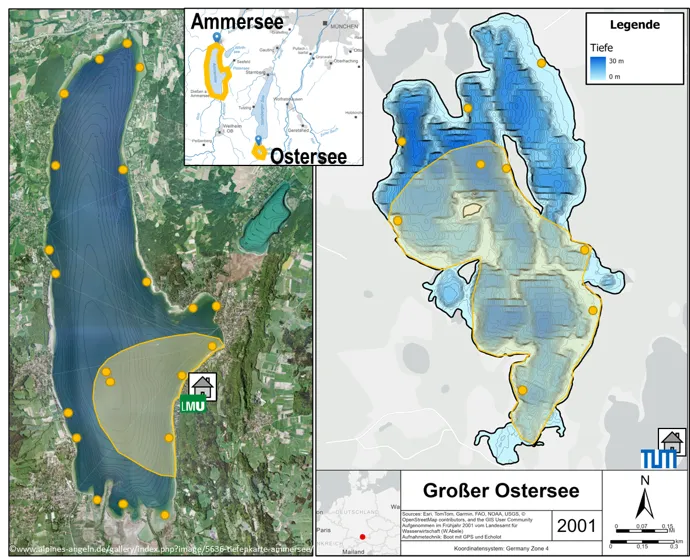
Species spectra, functional activity, and genetic indicators of lake health are derived from genomic and transcriptomic data. This information is linked with water quality data and integrated into predictive models. ecoBay is being tested on two Bavarian model lakes – Lake Ammersee and Lake Großer Ostersee. As a project within the bayklif2 network, ecoBay strengthens the core focus areas of water, biodiversity, and ecosystem health – and delivers standardised data as well as workflows for research, authorities, and further stakeholders.
Background
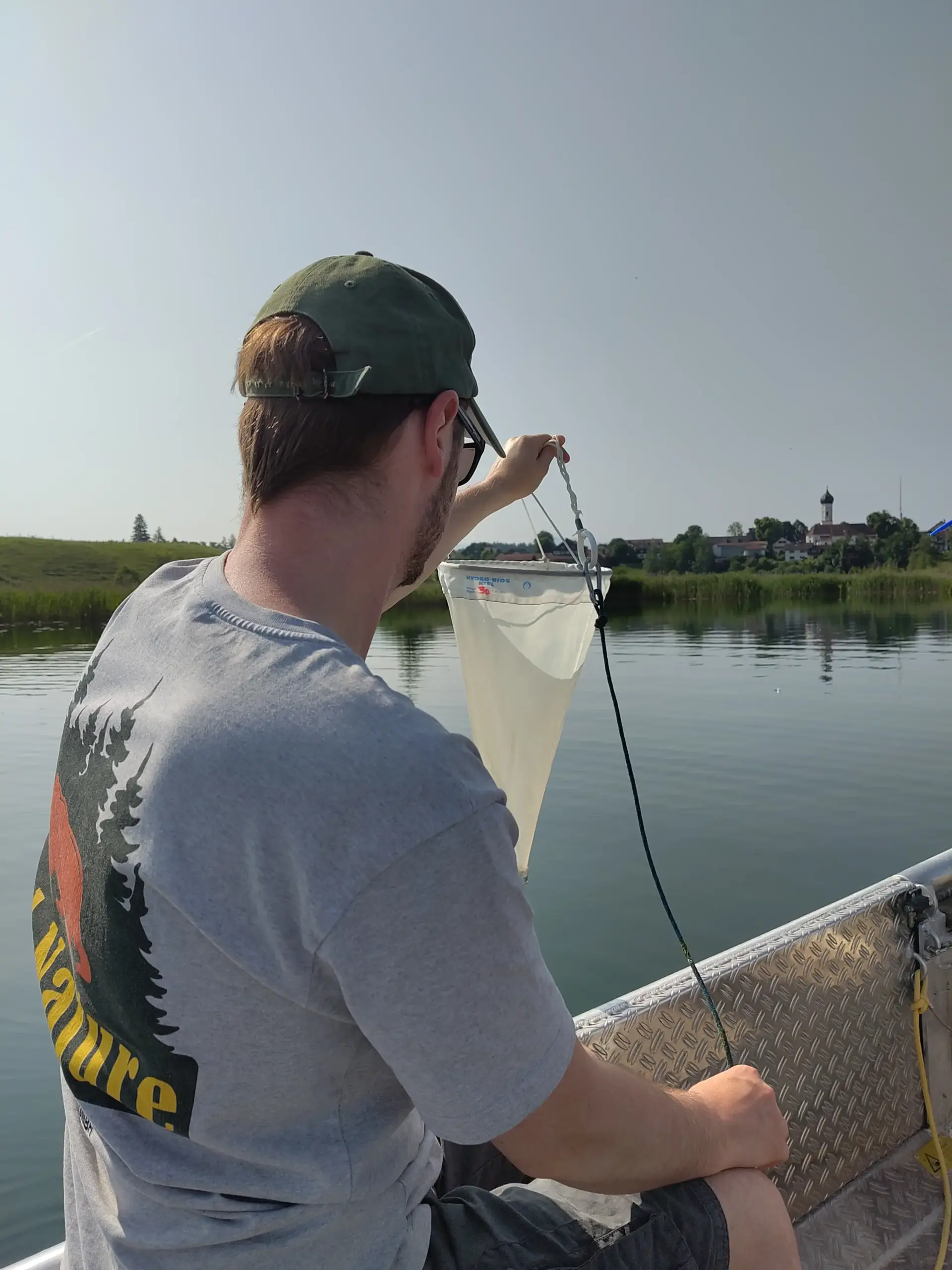
The decline of freshwater biodiversity is not a distant problem – it directly affects Bavaria as well. Lakes react sensitively to climatic changes, nutrient inputs, and hydrological fluctuations. Effective management requires robust, promptly available data. However, traditional biomonitoring is often manual work: time-consuming, personnel-intensive, and only selective. As a result, the genetic diversity of a lake usually remains invisible.
Methods based on eDNA and eRNA open up new possibilities. They allow for a comprehensive recording of species – including rare or difficult-to-detect ones. Furthermore, they provide insights into the functional activity and physiological state of organisms. In practice, however, there is a lack of standardised, automated systems that combine genetic analyses with continuous water quality measurement and spatially adaptive sampling.
ecoBay builds on established eDNA/eRNA protocols (environmental DNA or RNA refers to genetic material that organisms leave behind in their surroundings, for example in water, soil, or air), autosampler and Environmental Sample Processor concepts, as well as initial experiments with a robot prototype. The proximity to the research stations in Wartaweil (LMU / Lake Ammersee) and Iffeldorf (TUM / Lake Großer Ostersee) enables intensive preliminary studies and realistic field tests. What has been missing until now is a robust, field-ready, and fully integrated platform that can be used without specialised robotics expertise – ecoBay fills exactly this gap.
Methods and Goals
ecoBay follows a clearly structured, two-stage approach:
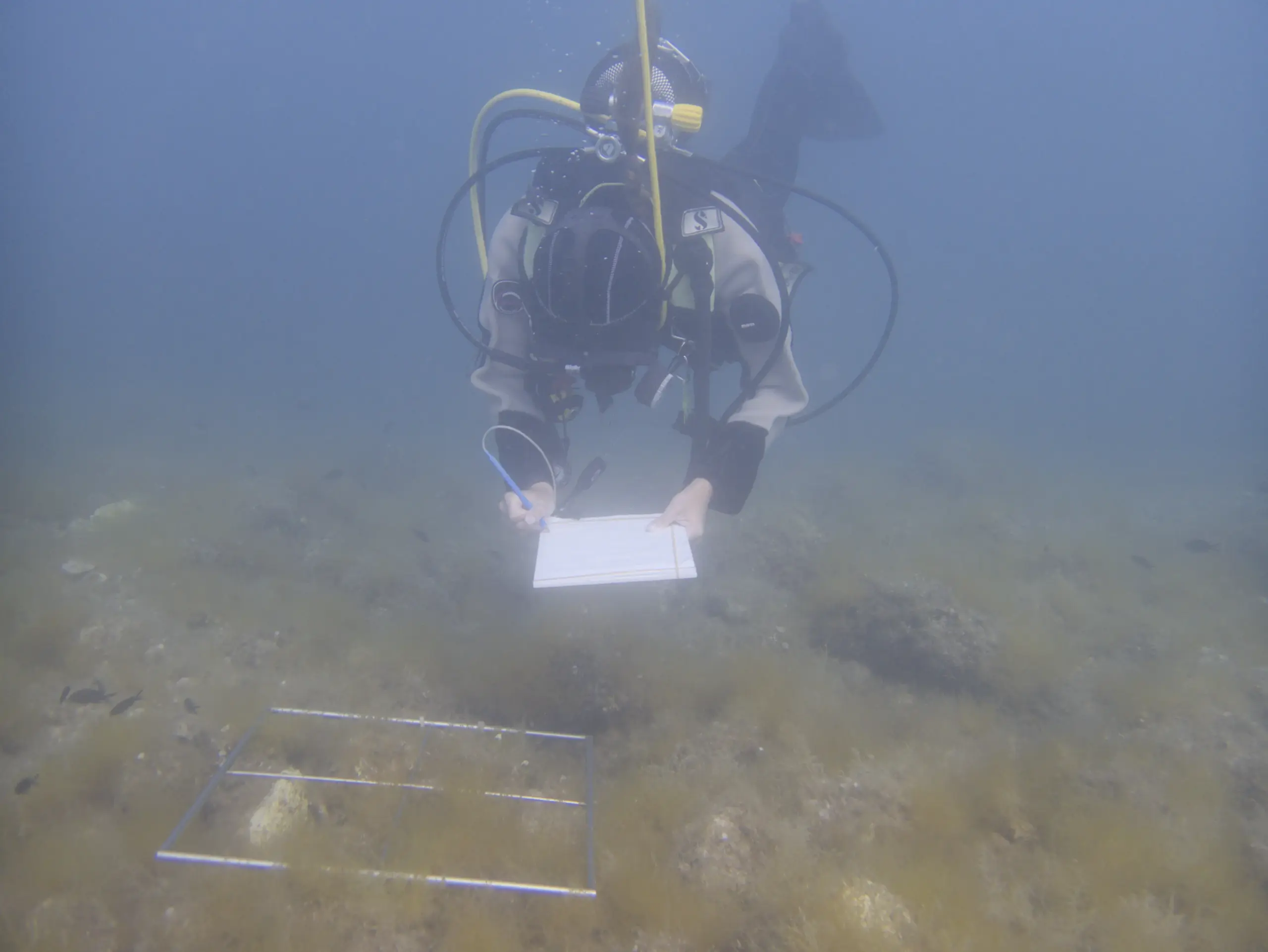
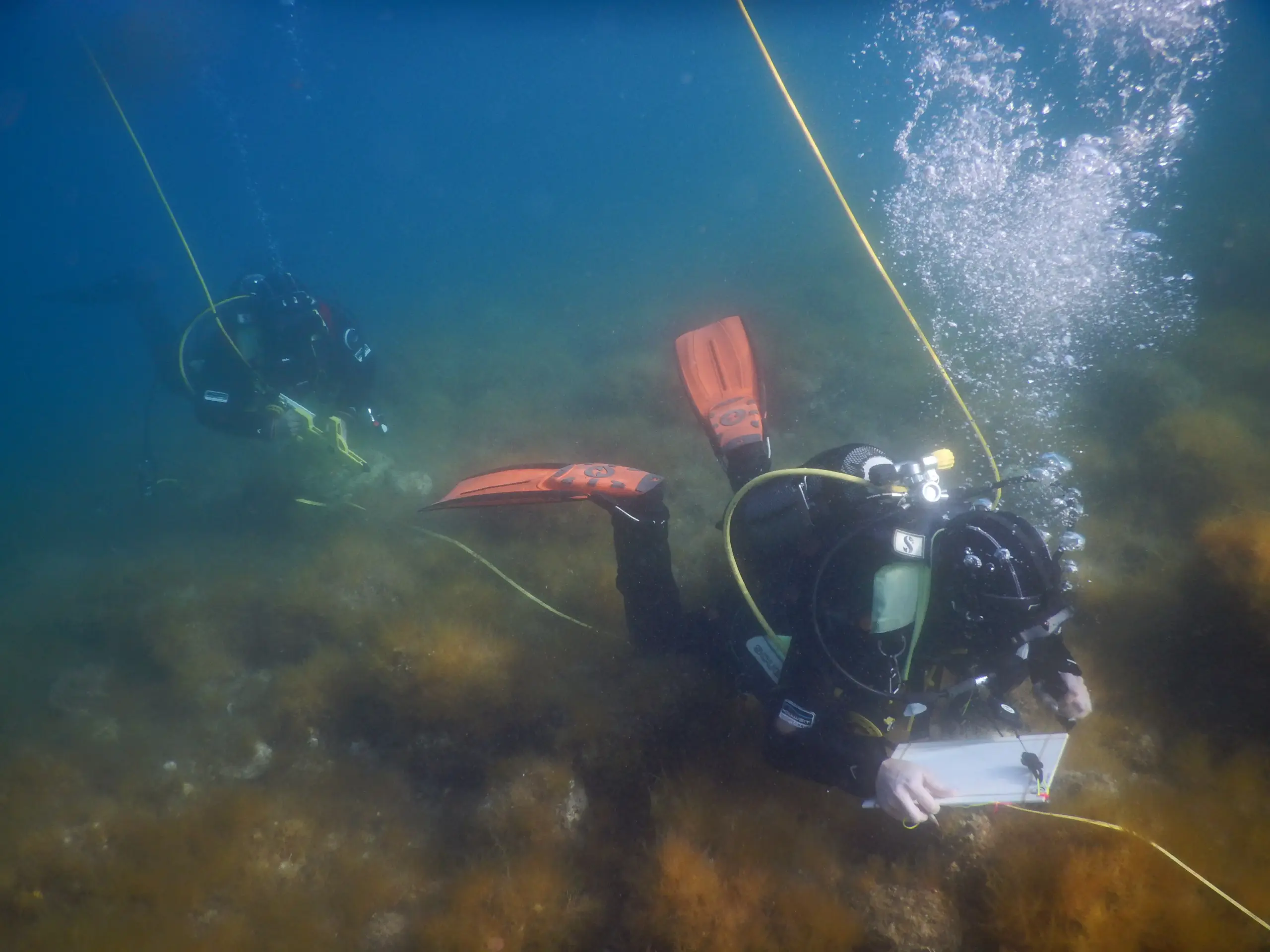
- Establishing a reference baseline: High-resolution underwater maps are created in both model lakes, and reference and training data on habitats, water quality, and genetic diversity are collected. A static measurement array serves as a comparison system. Standardised eDNA/eRNA protocols ensure comparability.
- Development and validation of the autonomous system: Building on this, the autonomous monitoring system is developed, tested, and validated against manual reference data.
Water and sediment samples are analysed using metagenomics and metatranscriptomics, meaning that the entire DNA and RNA of all organisms in a water sample is analysed. This data is coupled with continuous sensor measurements, such as temperature, oxygen, pH value, and nutrients. Using artificial intelligence, the robot selects adaptive measurement points and dynamically optimises its mission planning. The goal is to develop genetic indicators of lake health as well as predictive models that detect changes at an early stage. ecoBay thus creates a scalable, government-ready early warning and monitoring solution for Bavarian lakes.
Tangible Benefits for the Free State of Bavaria
ecoBay lays the foundation for modern, future-proof monitoring of the health of Bavarian lakes. Continuous measurements of key limnological parameters and genetic analyses via eDNA/eRNA generate high-resolution information on biodiversity and water quality – spatially differentiated and tight-knit in terms of time.
This supports authorities in:
- implementing the Water Pact Bavaria (Wasserpakt Bayern),
- fulfilling the European Water Framework Directive,
- achieving biodiversity targets to preserve genetic diversity.
Measures can be prioritised more purposefully and their impact evaluated more effectively. Through automation and the AI-supported selection of particularly informative sampling sites, ecoBay relieves strained personnel resources (“free heads and hands” for strategic tasks). The platform concept is scalable and transferable to other lakes in Bavaria and beyond. This creates a building block for comprehensive, modern water monitoring.
Potential Synergies
ecoBay is closely integrated into the bayklif2 network and strengthens the consortium through standardised data, workflows, and “best practices” from the field – from licensing processes and logistics to quality assurance. Limnological time series, habitat maps, and eDNA/eRNA data will be provided via the bayklif2 data platform and NFDI4Biodiversity according to FAIR principles. Key software components are to be published as open source following successful validation.
To promote exchange and visibility, ecoBay organises:
- the network workshop “Best Practices – From the Lab to the Field”,
- a special exhibition at the Museum Mensch und Natur in Munich,
- dialogue formats with authorities and stakeholders (kick-off, field demonstration, user validation).
In this way, the transfer into practice and administration is actively accompanied. In the long term, ecoBay can be integrated as a module into existing monitoring programmes and deployed in additional lakes. ecoBay thus tells the story of a technological new dawn: an autonomous robot on Bavaria’s lakes that makes genetic diversity visible – and thereby creates a new foundation for sustainably protecting our waters.
The team of BaySenseAI
Principal Investigator

Prof. Dr. Ann-Marie Waldvogel
Technical University of Munich
School of Life Sciences
Global Change Limnology

Principal Investigator

Dr.-Ing. Daniel-André Dücker
Technical University of Munich
Munich Institute of Robotics and Machine Intelligence (MIRMI)
Environmental Robotics Group
Principal Investigator

Dr.-Ing. Stefan Sosnowski
Technical University of Munich
Munich Institute of Robotics and Machine Intelligence (MIRMI)
Information Oriented Control
Principal Investigator

Prof. Dr. Gert Wörheide
Ludwig-Maximilians-University Munich
Department of Earth and Environmental Sciences
Palaeontology & Geobiology