
Smart Solutions for Resilient Reforestation to Safeguard Essential Ecosystem Services under Climate Change
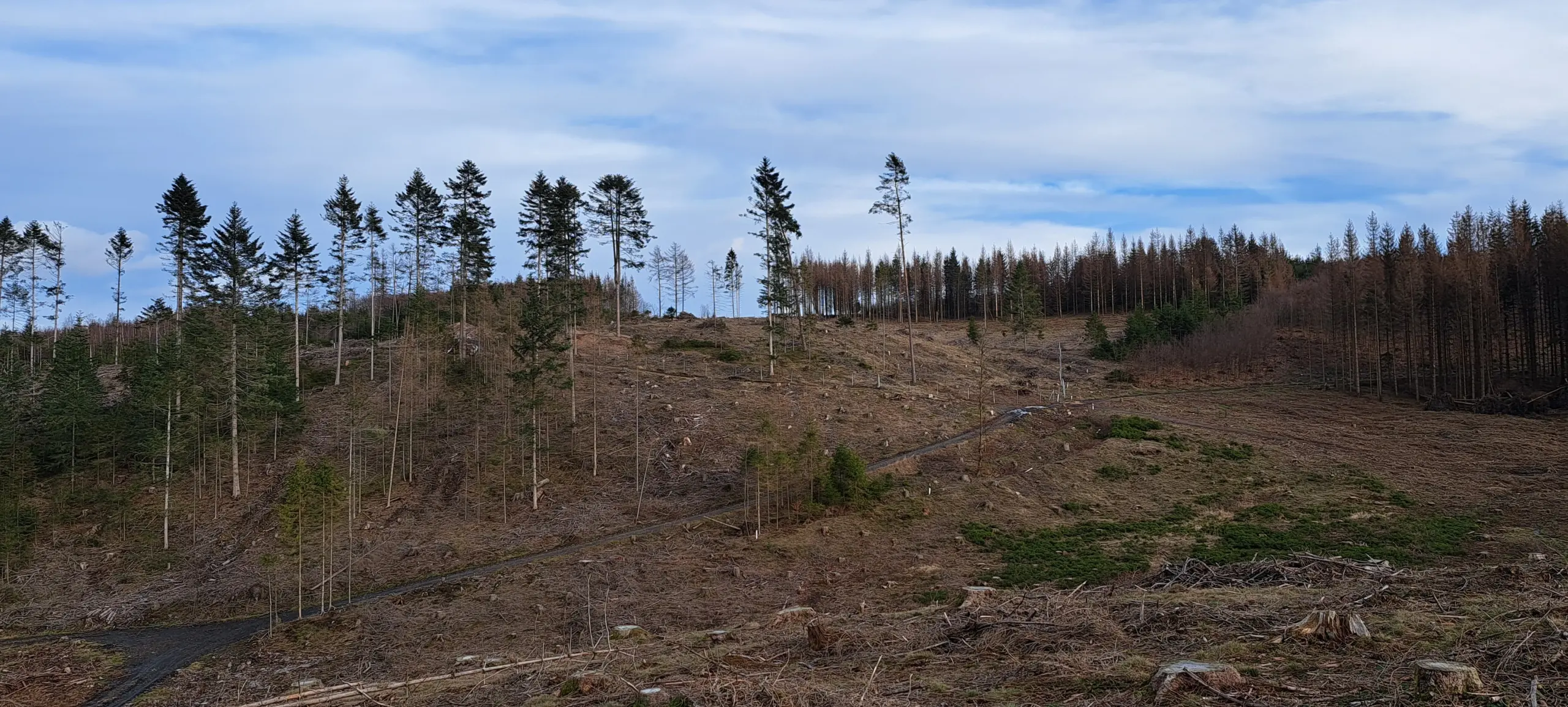
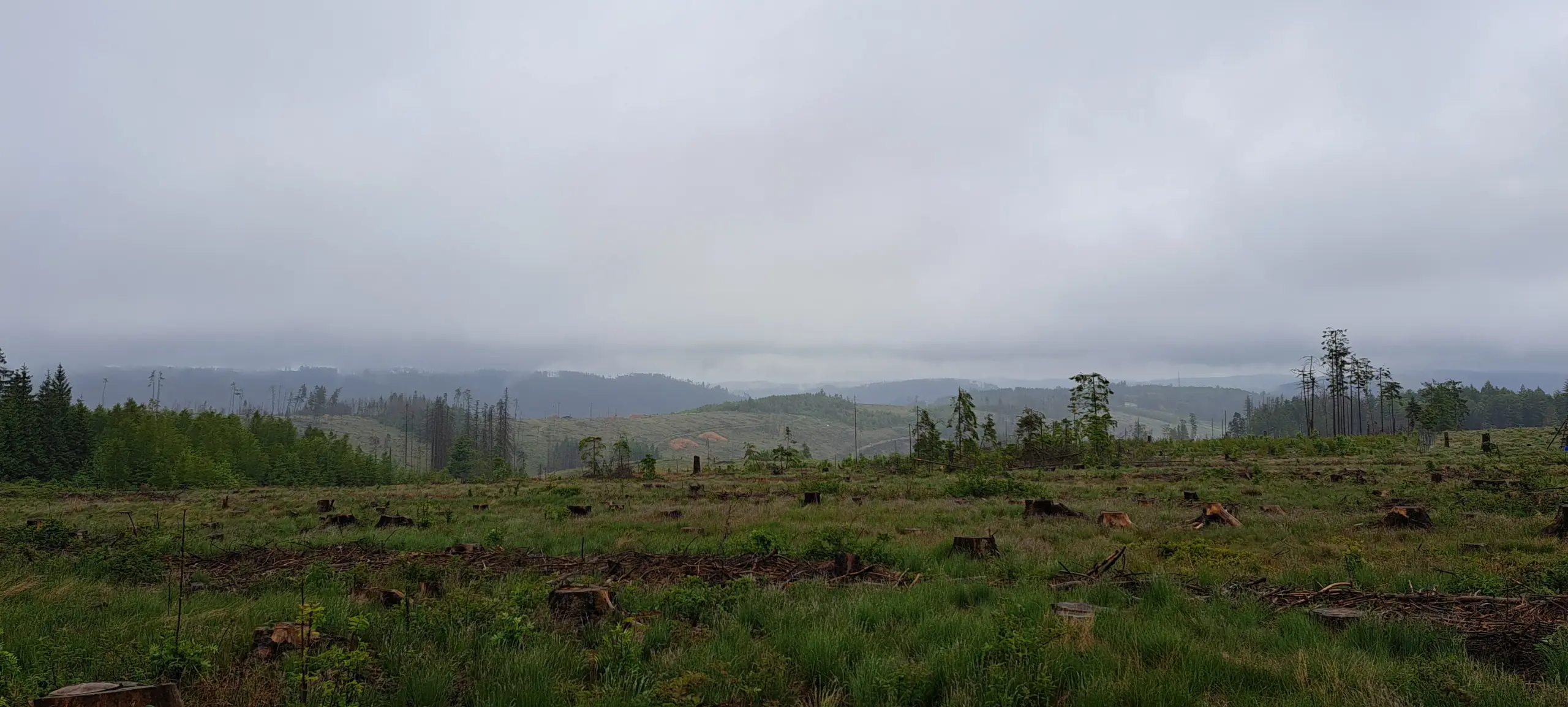
Bavaria’s forests are under pressure. Heat, drought, storms, and pests are leaving visible marks – entire landscapes are changing. What may seem like isolated areas of damage at first glance is, in truth, a systemic problem: intact forest ecosystems are indispensable for biodiversity, water supply, and climate protection. However, their stability is increasingly faltering. This is where SmartReForest steps in. The project is developing a scientifically sound yet highly practical concept for the climate-resilient restocking of damaged forests in Bavaria. The goal is not merely to plant trees – but to rethink forests as multifunctional, resilient ecosystems under altered climate conditions.
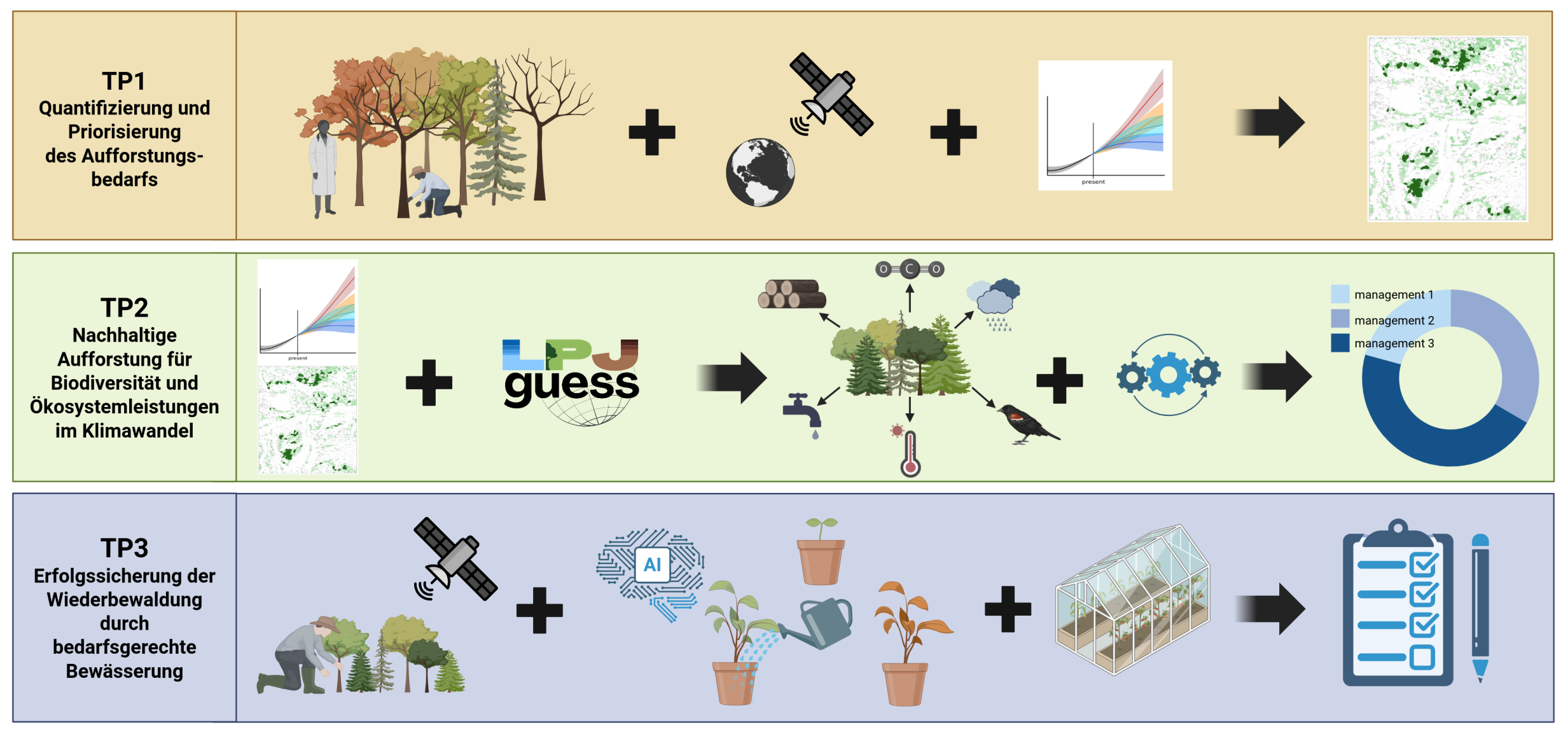
In three closely intertwined subprojects, SmartReForest combines state-of-the-art technologies with forestry and ecophysiological expertise:
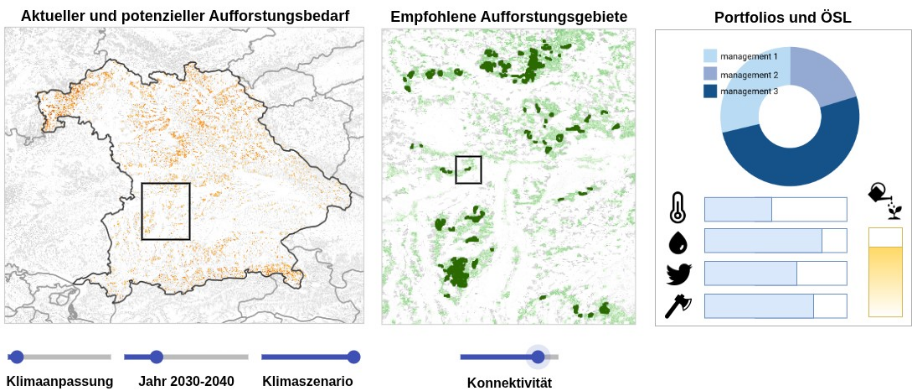
- Subproject 1 identifies and prioritises current and future expected areas of damage. Using multispectral satellite data, AI-supported image processing, and time-series models, precise risk maps are generated as a basis for strategic decisions.
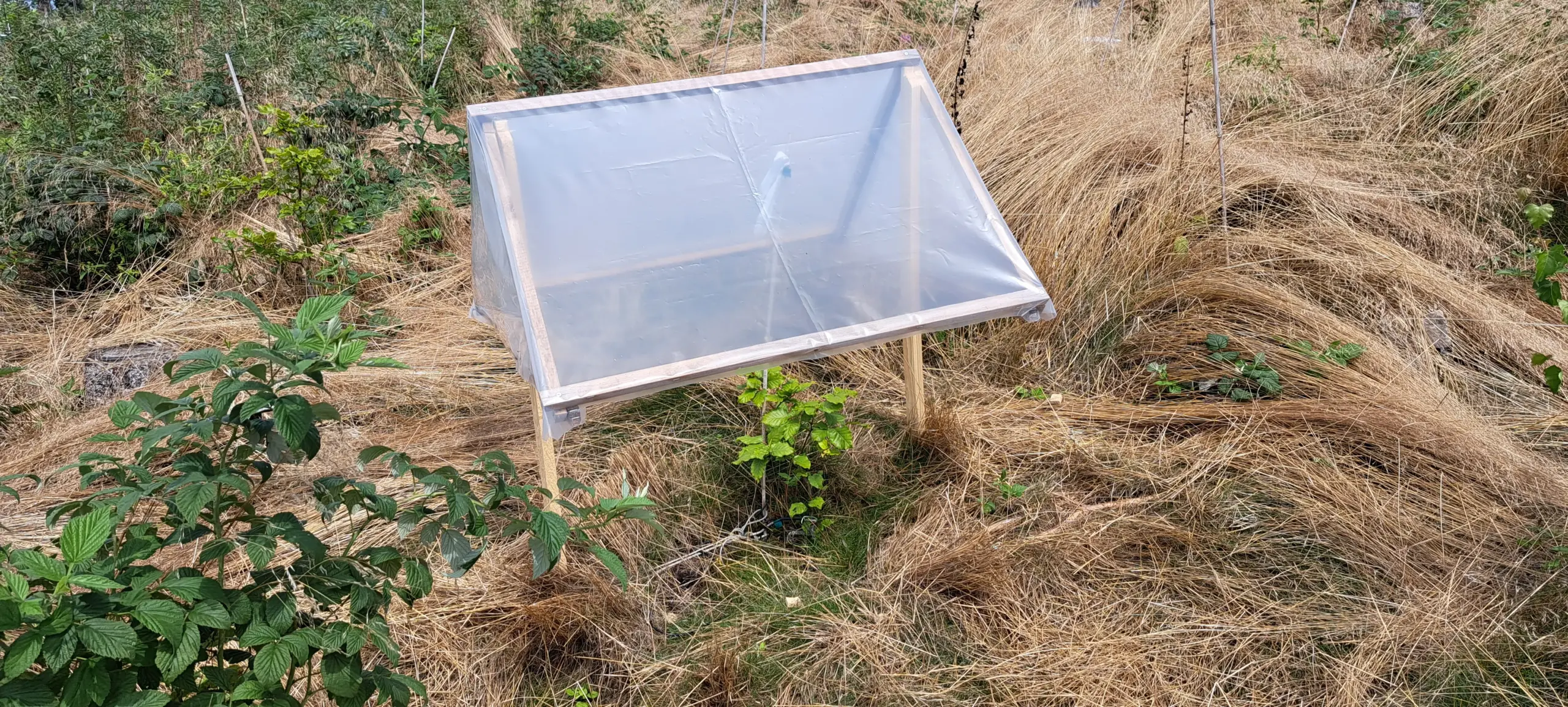
- Subproject 2 develops climate-resilient reforestation and management strategies. Using the vegetation model LPJ-GUESS, scenarios under varying climate conditions are simulated – focusing on biodiversity, water balance, and sustainable wood production. The role of emergency irrigation as a key factor for seedling establishment success is also systematically considered.
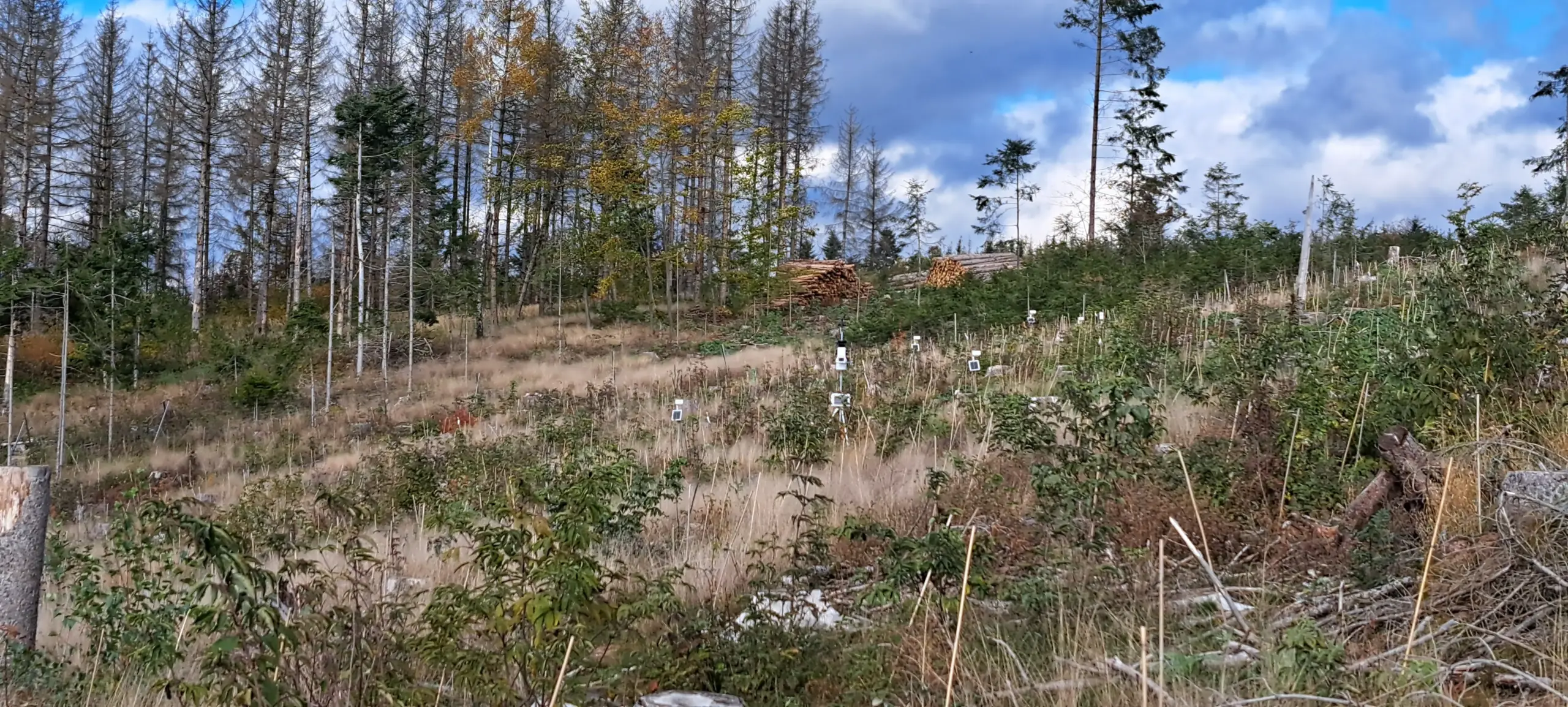
- Subproject 3 safeguards the long-term success of these measures. AI-supported monitoring and irrigation systems, based on remote sensing and ecophysiological measurements, enable the early detection of drought stress and targeted water supply down to the individual tree level.
The final result is an integrated, data-driven decision support system that unites area prioritisation, optimised reforestation strategies, and adaptive management within a single tool.
A unique added value arises from the close collaboration of researchers in forestry science, ecophysiology, vegetation modelling, and AI-supported remote sensing at the Weihenstephan campus. Networking with the Bavarian State Institute of Forestry (LWF) and existing cooperations in the Franconian Forest (Frankenwald) model region ensure practical relevance. Concurrently, SmartReForest is tightly integrated into the overarching bayklif2 consortium, purposefully leveraging synergies with AI- and remote-sensing-oriented projects.
Background
Forests are silent high performers. They store carbon, regulate water balances, protect soils, and provide a habitat for a vast array of biodiversity. However, the limit of resilience has been reached in many places.
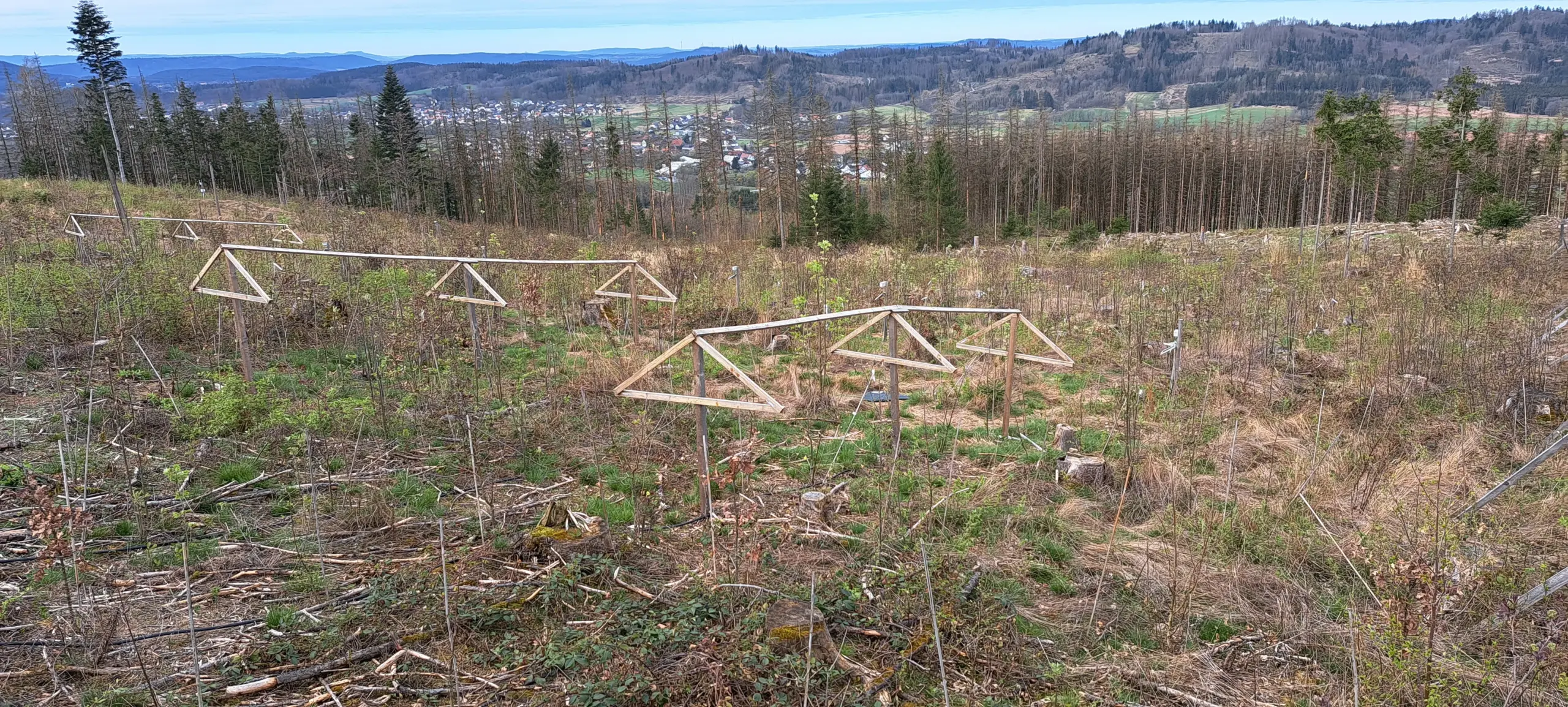
In the Franconian Forest alone, nearly 20 per cent of forest areas are damaged. Across Germany, over 500,000 hectares are considered in need of restocking. On many clear-cut areas, extreme microclimatic conditions already prevail today: high temperatures, low humidity, and intense solar radiation. The establishment success of young trees is dropping drastically – a trend that is likely to intensify as climate change progresses. Despite these dynamics, core research gaps remain:
- Which areas are particularly vulnerable now and in the future?
- Which reforestation strategies will secure biodiversity, water balance, and wood production in the long term?
- How can establishment success be stabilised under increasingly dry conditions?
SmartReForest builds on existing preliminary work, particularly in the further development and application of the LPJ-GUESS vegetation model. The consortium unites complementary expertise in forestry science, ecophysiology, and AI-supported data analysis – a combination that allows scientific depth to be merged with operational feasibility.
Methods and Goals
SmartReForest pursues an integrative research approach that systematically links remote sensing, vegetation modelling, AI-based data analysis, and ecophysiological experiments.
In SP1, multispectral satellite data is evaluated using deep learning techniques. Time-series models, coupled with climate scenarios and biogeographical information on habitat connectivity, enable the identification and spatial prioritisation of high-risk areas.
SP2 utilizes the vegetation model LPJ-GUESS to simulate different reforestation and management strategies under varying climate scenarios. Using robust multi-criteria optimization, strategies are developed that best safeguard biodiversity, water balance, and wood production even under conditions of uncertainty.
SP3 combines greenhouse and field experiments with modern sensor technology and AI-supported remote sensing. The goal is to derive species-specific irrigation corridors and to predict water requirements at the individual tree level.
The overarching objective is an operational decision support system that is data-driven, adaptive, and practical – strategically realigning forest management under climate change.
- reduce climate-related health risks,
- strengthen urban resilience,
- are translated into innovative educational formats,
- and anchor climate adaptation as a collective societal task.
Tangible Benefits for the Free State of Bavaria
The restocking of damaged forests is not only an ecological duty but also a legal obligation. SmartReForest provides evidence-based foundations for these decisions.
The benefit is immediate: around two-thirds of Bavarian water protection zones are located in forests. Stabilising forest ecosystems therefore simultaneously protects the drinking water supply. The developed decision support system allows for an efficient allocation of limited resources and can be integrated into existing instruments such as the forest management funding programme (Waldbauförderprogramm).
Through the combination of AI, remote sensing, and vegetation modelling, an innovation boost is created with high potential for translation into forestry practice. The involvement of the Kronach-Rothenkirchen Forest Owner Association (Waldbesitzervereinigung) as a practical partner ensures direct application in the heavily affected Franconian Forest model region.
At the same time, the methods and tools are transferable to other regions of Bavaria, Germany, and beyond. Not least, the project strengthens the research landscape at the Weihenstephan campus through interdisciplinary capacity building and targeted support for early-career researchers.
Potential Synergies Within bayklif2
Within bayklif2, SmartReForest centrally addresses the themes of “biodiversity” and “water”. The subprojects mesh like gears:
- SP1 provides spatial decision foundations for SP2.
- SP3 feeds empirical data on survival assurance back into strategy optimization.
- All results flow into a shared decision support system.
The physical proximity and established collaboration at the Weihenstephan campus foster rapid knowledge transfer and genuine interdisciplinarity. Beyond the funding period, further perspectives open up: the developed AI models and data infrastructures can be permanently established as operational tools and utilized by forestry authorities. The transfer into urban contexts – such as climate-adaptive urban greening – also appears highly promising.
In the long term, SmartReForest accomplishes more than reforestation. It creates a data-driven foundation for resilient forest ecosystems, helping to secure their services for generations to come.
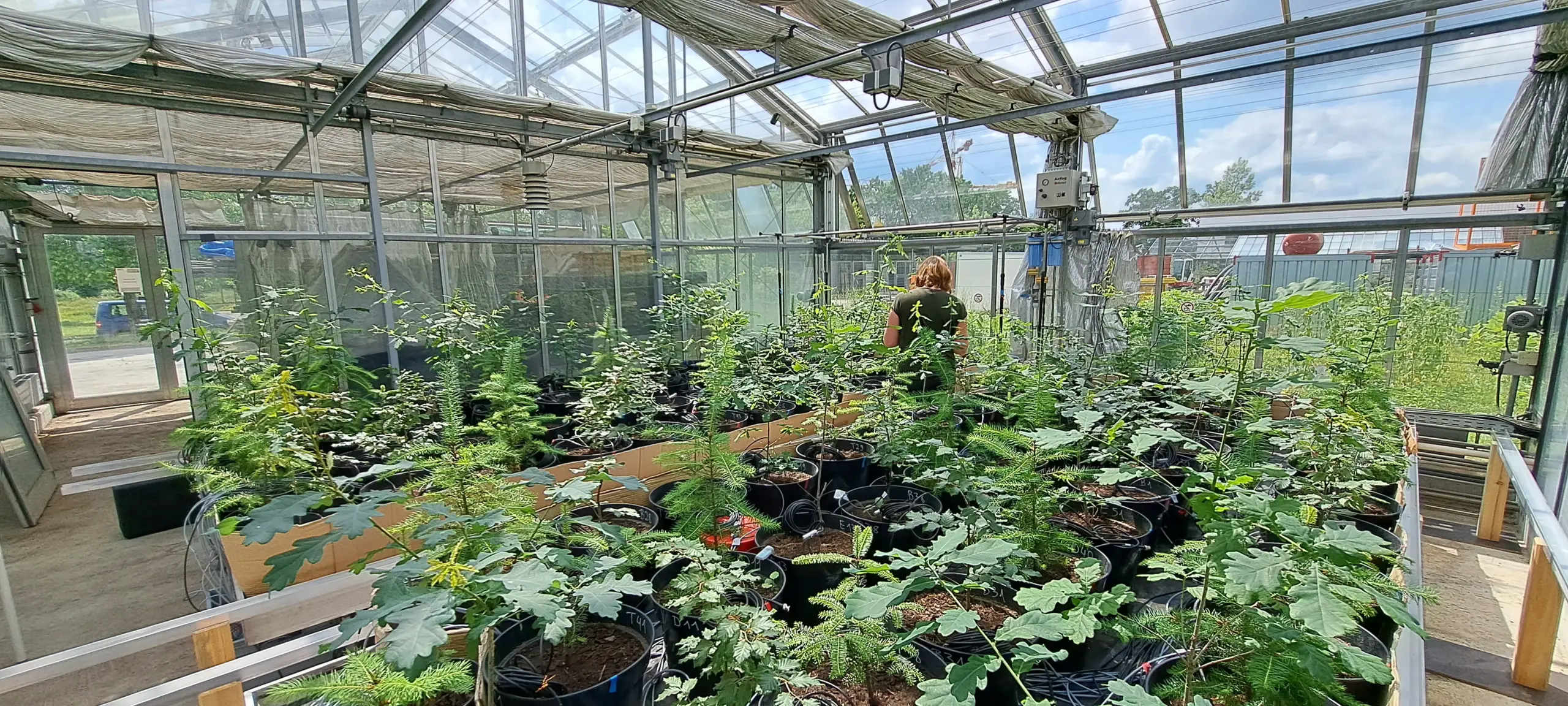
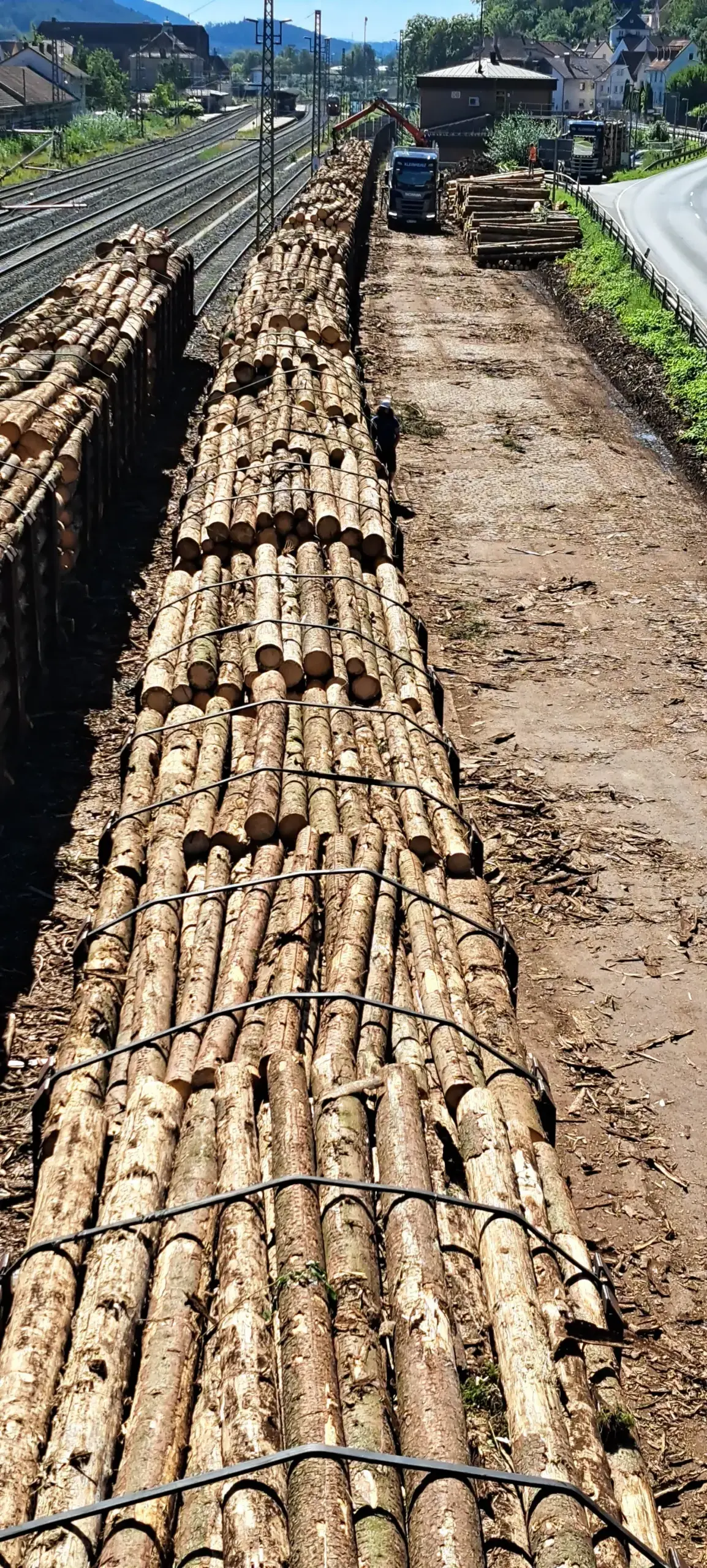
The team of SmartReForest
Principal Investigators

Prof. Dr. Christian Zang
Weihenstephan-Triesdorf University of Applied Sciences
Faculty of Forestry
Institute of Ecology and Landscape

Principal Investigators

Prof. Dr. Florian Haselbeck
Weihenstephan-Triesdorf University of Applied Sciences
Faculty of Sustainable Agricultural and Energy Systems
Principal Investigator

Dr. Konstantin Gregor
Technical University of Munich
Land Surface-Atmosphere Interactions
Scientific Assistance
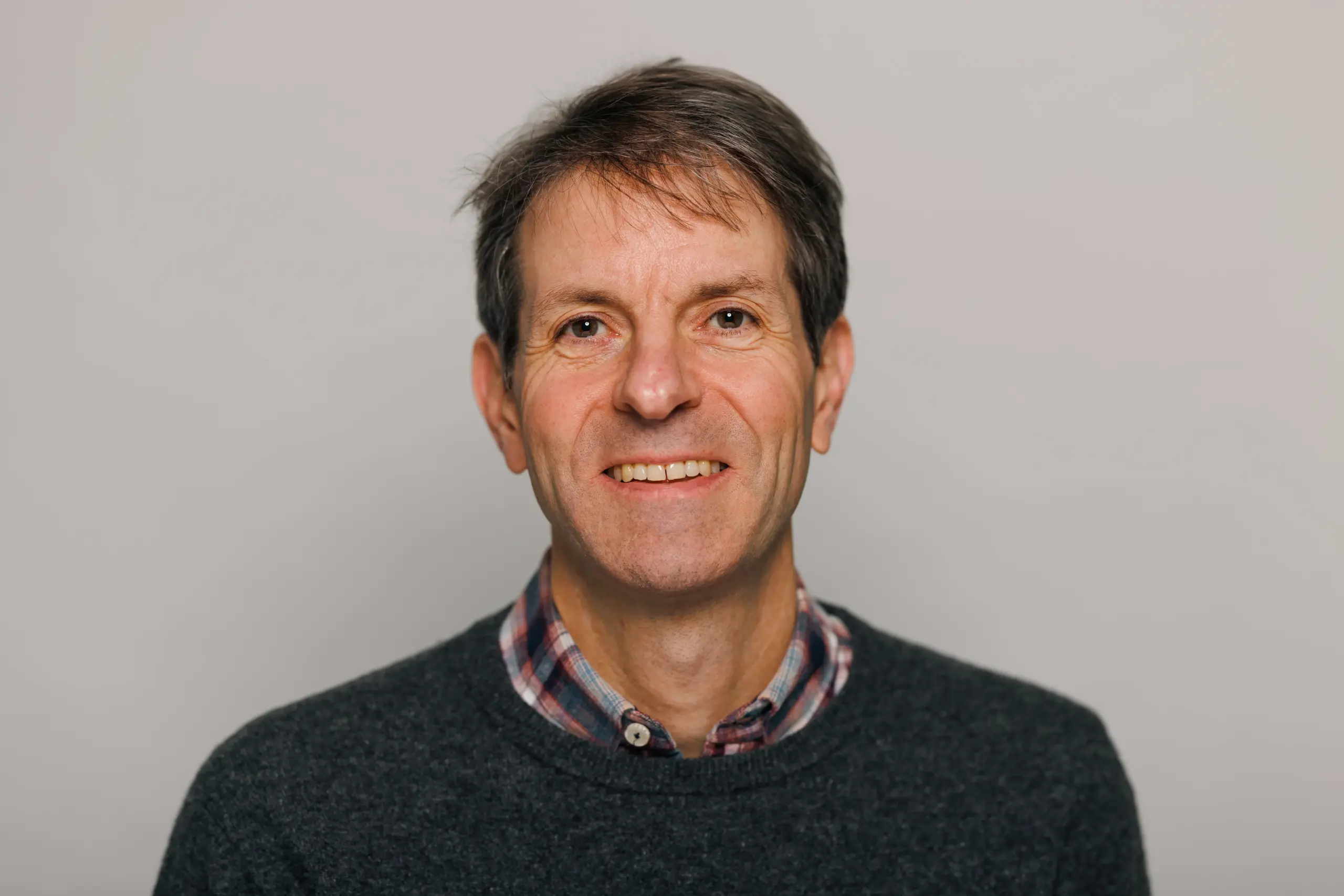
Dr. Markus Schmidt
Weihenstephan-Triesdorf University of Applied Sciences
Faculty of Forestry
Institute of Ecology and Landscape
Scientific Assistance

Leonie Hahn
Weihenstephan-Triesdorf University of Applied Sciences
Faculty of Forestry
Institute of Ecology and Landscape
Publikationen
- Drought stress monitoring on reforestation sites using close-range remote sensing with low-cost cameras (Poster)Joint NSO–GfÖ Conference/Odense/Sept 13-17, 2026 – Integrating the Diversity of Ecology